Harris County approves policy that could boost contract deputy funding
Commissioners backed a policy that could steer more taxpayer money to contract deputies, with paying neighborhoods and districts likely first in line for the benefit.
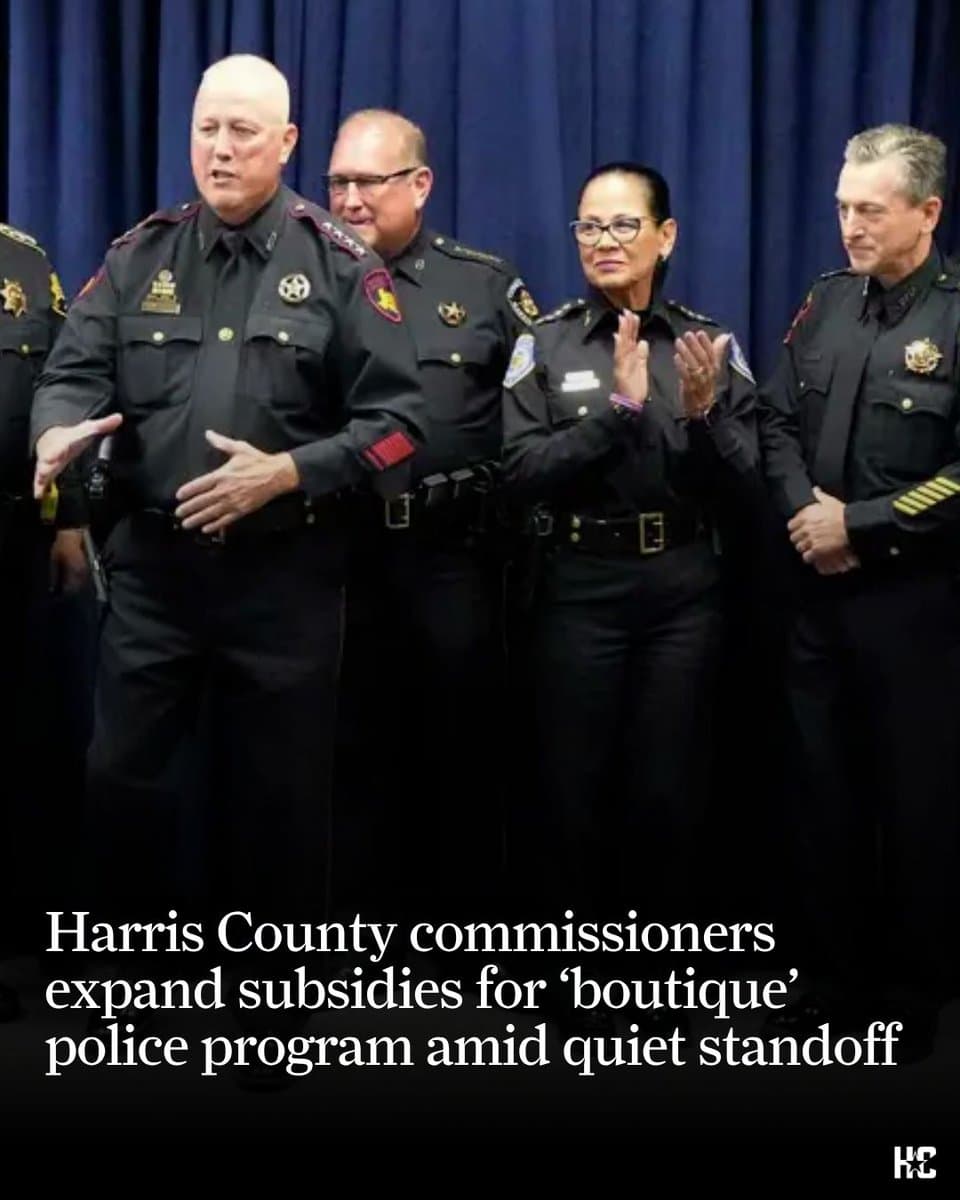
Harris County’s latest move on contract deputies could send more public money to the parts of the county that can already afford extra patrols. The policy comes from a long-running fight over whether taxpayer subsidies should support a program that mainly serves businesses, homeowner associations, school districts and municipal utility districts willing to pay for dedicated coverage.
The county’s contract patrol program runs through the Harris County Sheriff’s Office and the county’s eight constable precincts. Harris County has said the arrangement lets outside customers contract for deputies in their areas, but critics have argued for years that the system creates a two-tier model of public safety, with stronger service in neighborhoods and business districts that can write the check.
The numbers show how much is already at stake. In Harris County’s adopted FY 2025 budget book, the county said it spent $37.8 million on contract patrol subsidies for the sheriff’s office and the constable precincts combined. Any increase would land on top of a county budget already under strain, with officials projecting a deficit of $200 million to $270 million for fiscal year 2025-26.
That squeeze helped drive a separate $2.76 billion general fund budget adopted by commissioners on a 3-2 vote after months of conflict over police spending and service cuts. The pressure intensified after a May 2025 law-enforcement pay decision added roughly $140 million in county costs. Sheriff Ed Gonzalez said the higher pay was needed to keep deputies from leaving for better-paying agencies, a warning that echoed through the broader public safety debate.
Those costs did not come in a vacuum. In August 2025, the county’s proposed budget said Harris County remained committed to pay parity and public safety despite fiscal constraints, even as state lawmakers moved to limit or reshape the county’s control over some law-enforcement contracts and budget reallocations. The Texas Legislature’s action reflected a deeper political clash with county leaders and state Republicans over whether Harris County was underfunding police.
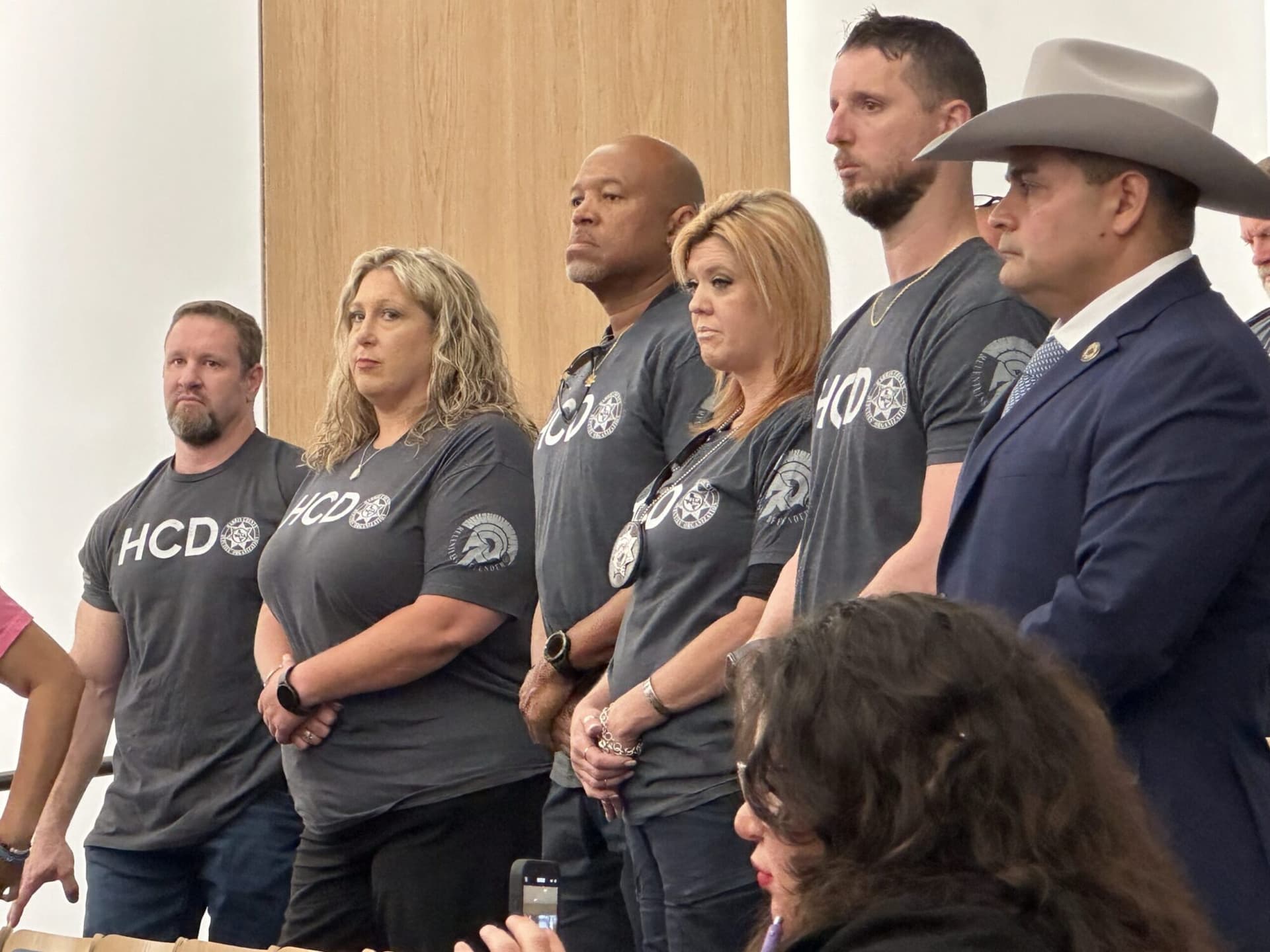
The fight over contract deputies is also not new. As far back as 2009, county officials were asking for a closer review of both the sheriff’s and constables’ contract patrol programs, including how patrol coverage was assigned and what duties deputies performed. More than a decade later, the same question remains central: whether the subsidy buys broad public safety or simply shifts county dollars toward the places already able to pay for it.
This article was produced by Prism’s automated news system from verified source data, official records, and press releases, then run through automated quality and moderation checks before publishing. The system is built and supervised by the people who set the standards it runs under. Read our full AI policy.
Know something we missed? Have a correction or additional information?
Submit a Tip