Harris County caregiver accused of stealing veteran’s credit card info
A Cypress family says a trusted caregiver used card data from inside their home to rack up unauthorized charges on an 83-year-old disabled veteran and relatives.

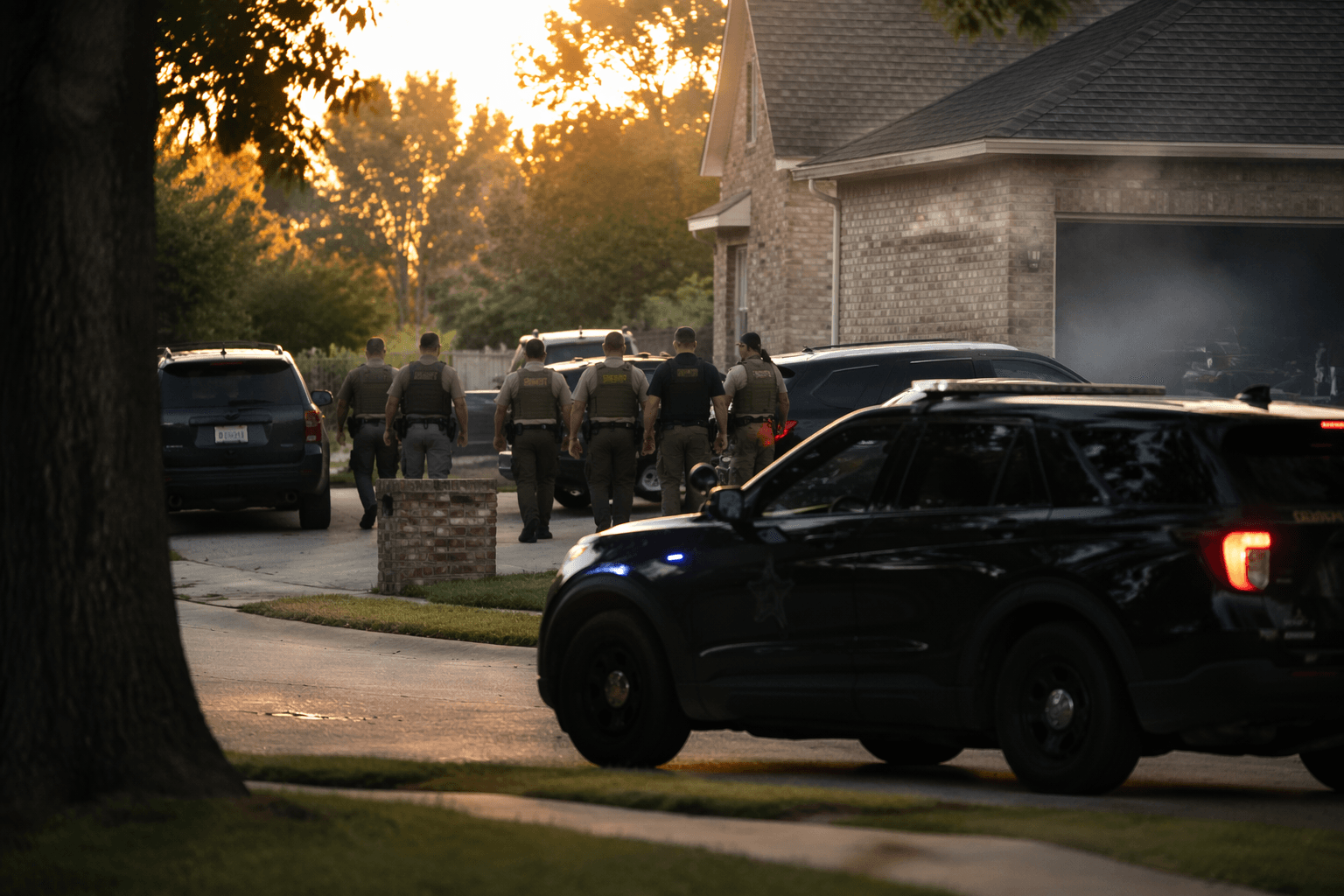
A Precinct 4 theft investigation centered on a Cypress caregiver the family had trusted inside the home, where deputies say Becky Butler-Amya used credit card information she allegedly obtained while helping care for an 83-year-old disabled veteran. The case cut deeper than a simple theft allegation because the cards belonged not only to the veteran, but also to other relatives who had entrusted her with access to the household.
Investigators said the family began noticing unauthorized charges between January and May on multiple cards. Court documents described purchases at a Shell gas station, a restaurant and Uber Eats, along with a missing card that the family says disappeared from a wallet after Butler-Amya was the only person in the home.

Precinct 4 Capt. Aaron Strain said the alleged abuse grew out of a relationship built on trust, calling Butler-Amya “someone who the family entrusted” and a helping hand inside the home. Deputies said the woman later admitted making the unauthorized charges when they contacted her, but she was not immediately arrested because a warrant had not yet been filed.
That changed as the investigation moved forward, and Precinct 4 said she is now wanted. For the family, the alleged betrayal was especially serious because it involved a vulnerable senior, a disabled relative and a worker who had regular access to the home, the wallet, the phone and the paper trail that can make small purchases easy to miss at first.
The warning signs in cases like this can look ordinary until they are lined up side by side. Families who hire in-home caregivers should review card statements often, watch for fuel, food delivery and small restaurant charges that do not fit the household routine, and keep an eye on any missing card, wallet or bill. If a caregiver has unsupervised access to a home, even a few routine-looking purchases can signal a broader financial-abuse case.
When something does not add up, the paper trail matters. Save statements, note dates when a caregiver was alone in the home, contact the card issuer immediately and report the case to local deputies if unauthorized charges appear. In a case like this, the difference between a one-time mistake and a pattern of abuse is often found in the transaction history.
This article was produced by Prism’s automated news system from verified source data, official records, and press releases, then run through automated quality and moderation checks before publishing. The system is built and supervised by the people who set the standards it runs under. Read our full AI policy.
Did this article answer your question?