Harris County drivers say toll roads still feel like traffic traps
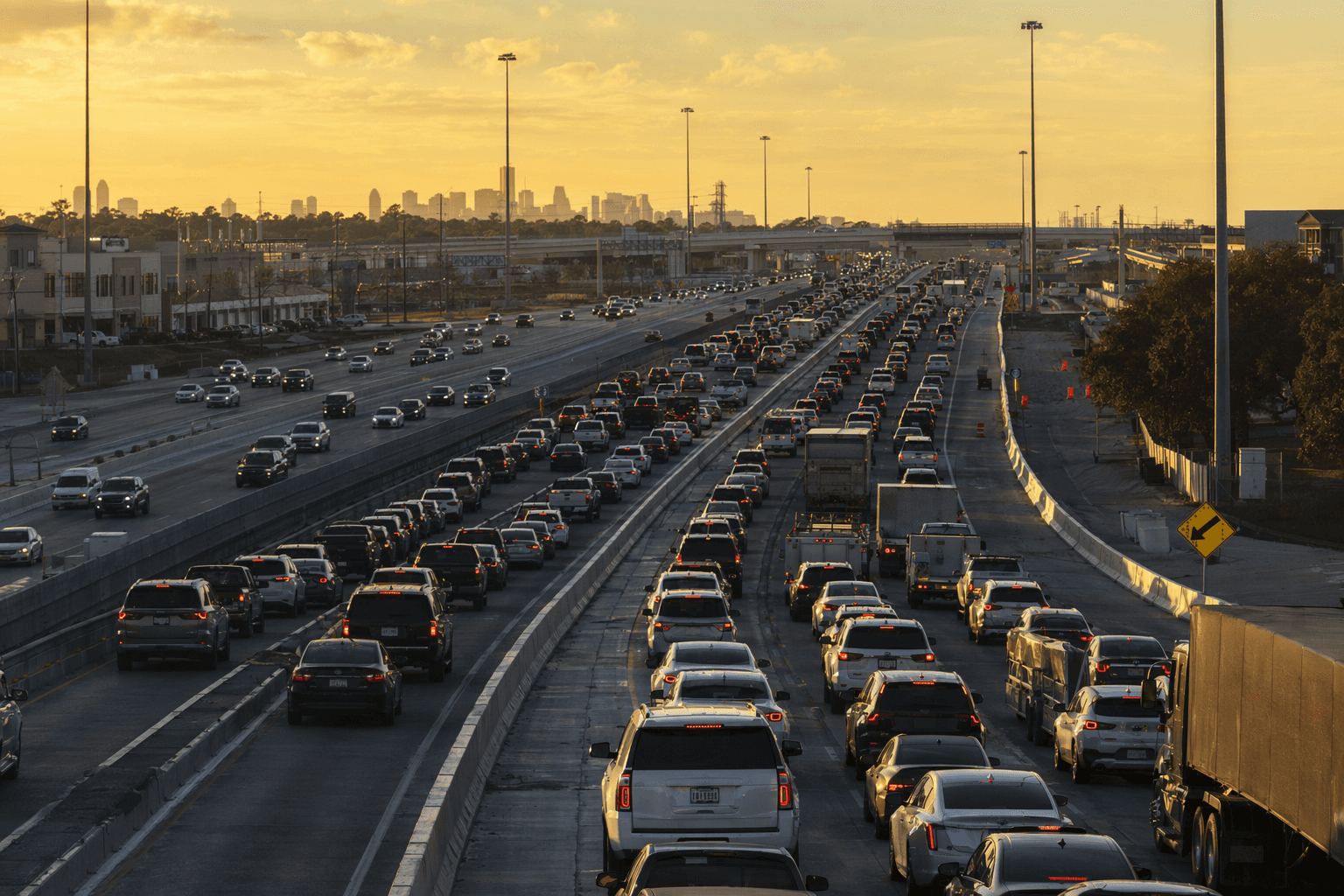
Houston drivers paid nearly $1 billion in tolls last year, yet many still sat in traffic on Beltway 8 and bailed out to side streets.
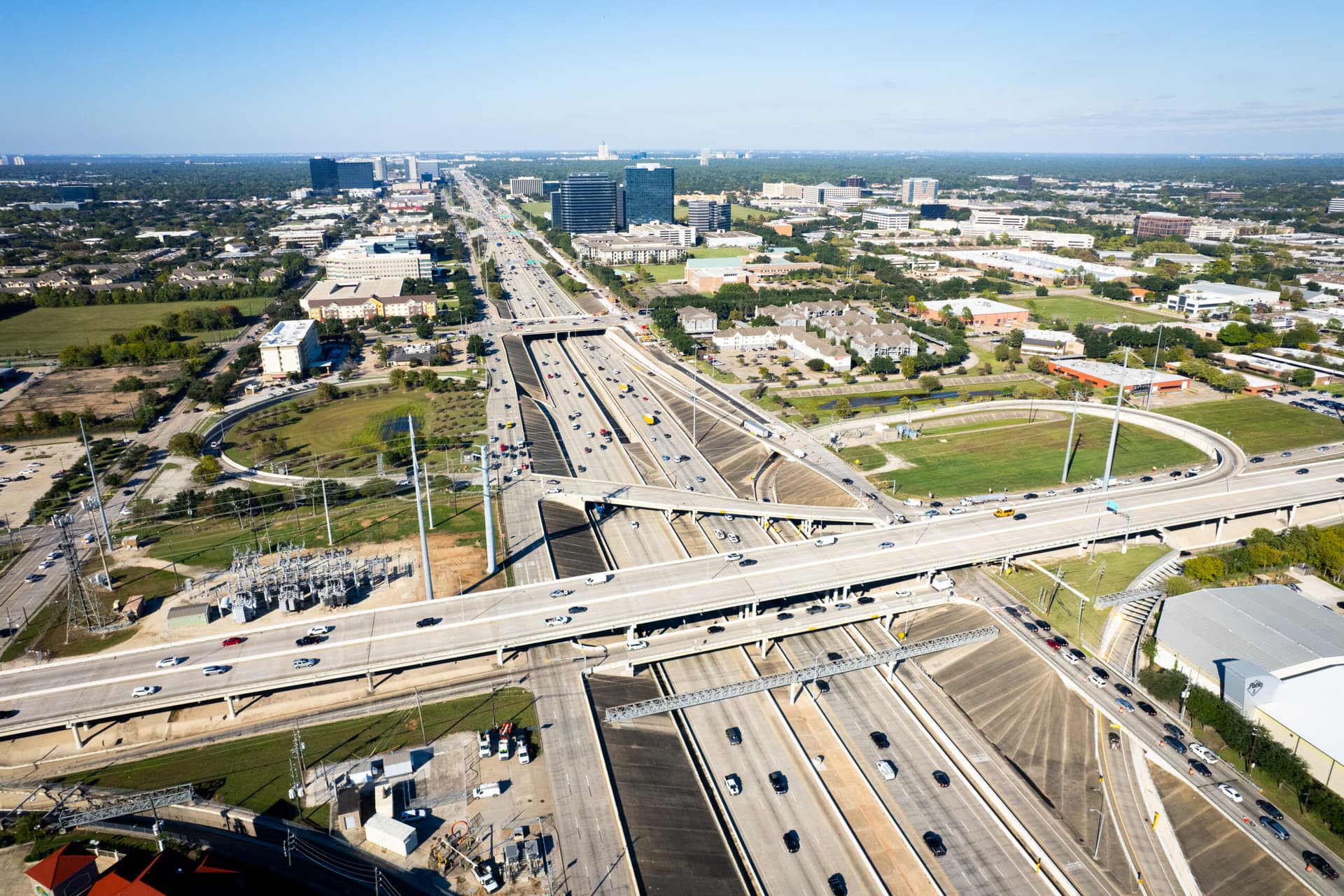
Houston drivers paid nearly $1 billion in tolls last year, but many say the county’s toll roads still feel like a traffic trap, not a shortcut. On Beltway 8, the frustration is simple: people are paying to sit in the same congestion they expected toll lanes to beat.
The Harris County Toll Road Authority runs a system that began with Hardy Toll Road in 1988 and has since grown to 128 miles, making it the second-largest toll road network in Texas. It is a Harris County department under direct county control, and its stated mission is to operate, maintain and expand roads that reduce congestion and speed travel. Drivers who now choose side streets instead say the promise is not matching the commute.
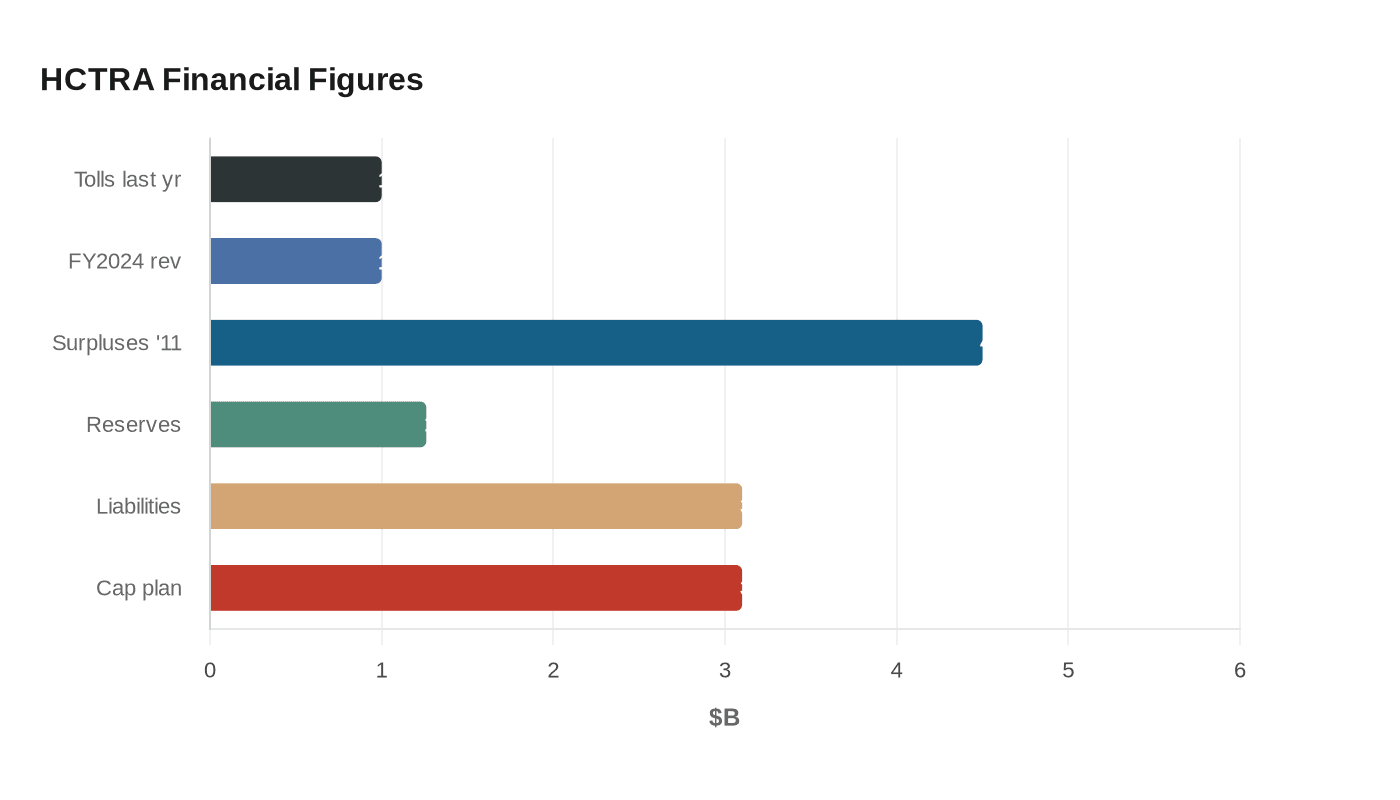
The money picture is large. A Baker Institute review said HCTRA has generated more than $4.5 billion in surpluses over operating expenses and debt service since 2011. Moody’s Ratings said the authority expected about $1.0 billion in total revenue in fiscal 2024, held 3.38 times total debt service coverage and had $1.26 billion in unrestricted and discretionary reserves. In a November 2025 credit opinion, Moody’s put HCTRA’s long-term liabilities at about $3.1 billion and tied that to a $3.1 billion capital plan. HCTRA’s fiscal 2024 basic financial statements, prepared by the Harris County Auditor’s Office, were dated March 28, 2025.
The condition of Beltway 8 helps explain some of the anger. TxDOT announced an $8.3 million roadway rehabilitation project on the corridor on June 21, 2024, with work expected to continue into spring 2025. At the same time, HCTRA began processing toll transactions on TxDOT-operated toll roads in Houston and Austin on Nov. 9, 2024, as the region moved deeper into all-electronic tolling. HCTRA has also pushed a Keep it Moving campaign, even as motorists describe the opposite experience.
The political fight over where toll money goes has only sharpened that frustration. In April 2025, reports said roughly $300 million in excess HCTRA revenue was being funneled to Harris County Commissioners Court. State Sen. Paul Bettencourt’s SB 2722 would divert 30 percent of excess toll revenue to the City of Houston. Mayor John Whitmire has argued the city should get a share because more than 60 percent of toll miles and revenue are inside Houston, while county leaders have said the money supports local mobility work such as sidewalks, bike lanes, bike paths and intersection improvements. Harris County Precinct 2 Commissioner Adrian Garcia said $80 million in city projects could be at risk if the bill passes.
For Harris County drivers, the core question is still the same one raised on Beltway 8: if the tolls are this high, why does the commute still feel unchanged? Until the county can show clear time savings on the roads people use most, the toll system will keep facing pressure to justify every dollar.
This article was produced by Prism’s automated news system from verified source data, official records, and press releases, then run through automated quality and moderation checks before publishing. The system is built and supervised by the people who set the standards it runs under. Read our full AI policy.
Did this article answer your question?