Harris County foster youth celebrate graduation, support into adulthood
About 40 Harris County foster youth crossed a graduation stage, then faced the next test: housing, college aid and job support that help them stay stable.
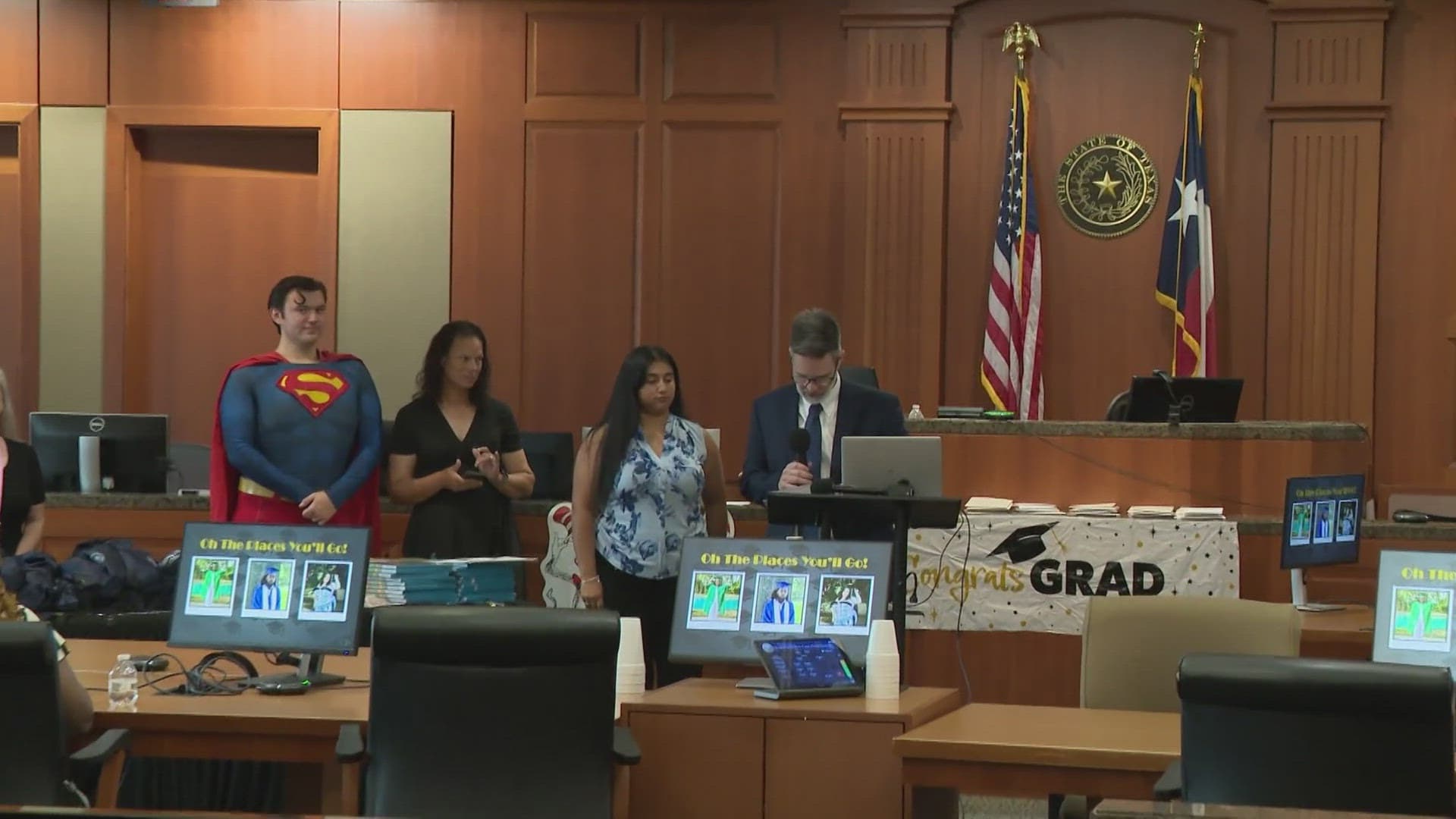
About 40 Harris County foster youth crossed a graduation stage surrounded not by large family contingents, but by judges, caseworkers, mentors and program staff who had helped carry them to the finish line. For many of the young people honored June 5, graduation marked more than a diploma. It marked a transition into adulthood that will depend on whether Harris County can keep the support network intact after the ceremony ends.
The celebration centered on the CPS court program and the Launch Pad resource center, which helps young adults leaving foster care get the basics they need to live on their own. That can mean pots, pans, toiletries and other household items that most teens do not have to think about before they leave home. For foster youth, those details can determine whether the next step is a stable apartment, a college dorm or another disruption.
That pipeline matters in Harris County because the need is large and the path is often difficult. Harris County Resources for Children and Adults says its foster-youth services are designed for children and youth involved in or in the custody of Child Protective Services. Its HAY Center serves as a one-stop center for current and former foster youth ages 14 to 25, and it says it supports more than 1,600 young people in the Houston area. The center also says the typical young person aging out of foster care in Houston has spent more than 5 and a half years in the system and moved more than 8 times.
State services are built to extend that support into the early adult years. The Texas Department of Family and Protective Services says Transitional Living Services are available to youth ages 14 through 23 and can include Preparation for Adult Living, Education and Training Vouchers, college tuition and fee waivers, Extended Foster Care, housing help and other supports meant to ease the move into adulthood.

Two graduates put a face on what those supports can make possible. Angel Sosa said young people in the system can feel as though they are expected to fail. Instead, she already has earned a bachelor’s degree in pre-veterinary medicine and plans to enter a master’s program in equine reproduction. Ramaysia Delapena said suspension and expulsion did not stop her from finishing, and she plans to attend cosmetology school.
The county’s court system is part of that broader safety net. Judge Katrina M. Griffith, listed as an associate judge for the Harris County Child Protection Court, said the goal is to meet youth where they are and remind them that success is possible. Texas child-welfare education leaders have been building toward that kind of coordination for years: the Texas Supreme Court created an education committee in 2010, and the current Foster Care & Education Committee began in 2015. In Harris County, the graduation ceremony showed how those systems can work together when the goal is not just to protect children, but to help them leave care ready to stand on their own.
This article was produced by Prism’s automated news system from verified source data, official records, and press releases, then run through automated quality and moderation checks before publishing. The system is built and supervised by the people who set the standards it runs under. Read our full AI policy.
Know something we missed? Have a correction or additional information?
Submit a Tip