Harris County home values surge, affordable ZIP codes hit hardest
Home values are rising fastest in Harris County’s once-affordable neighborhoods, and the map shows owners there are least likely to protest before tax bills climb.
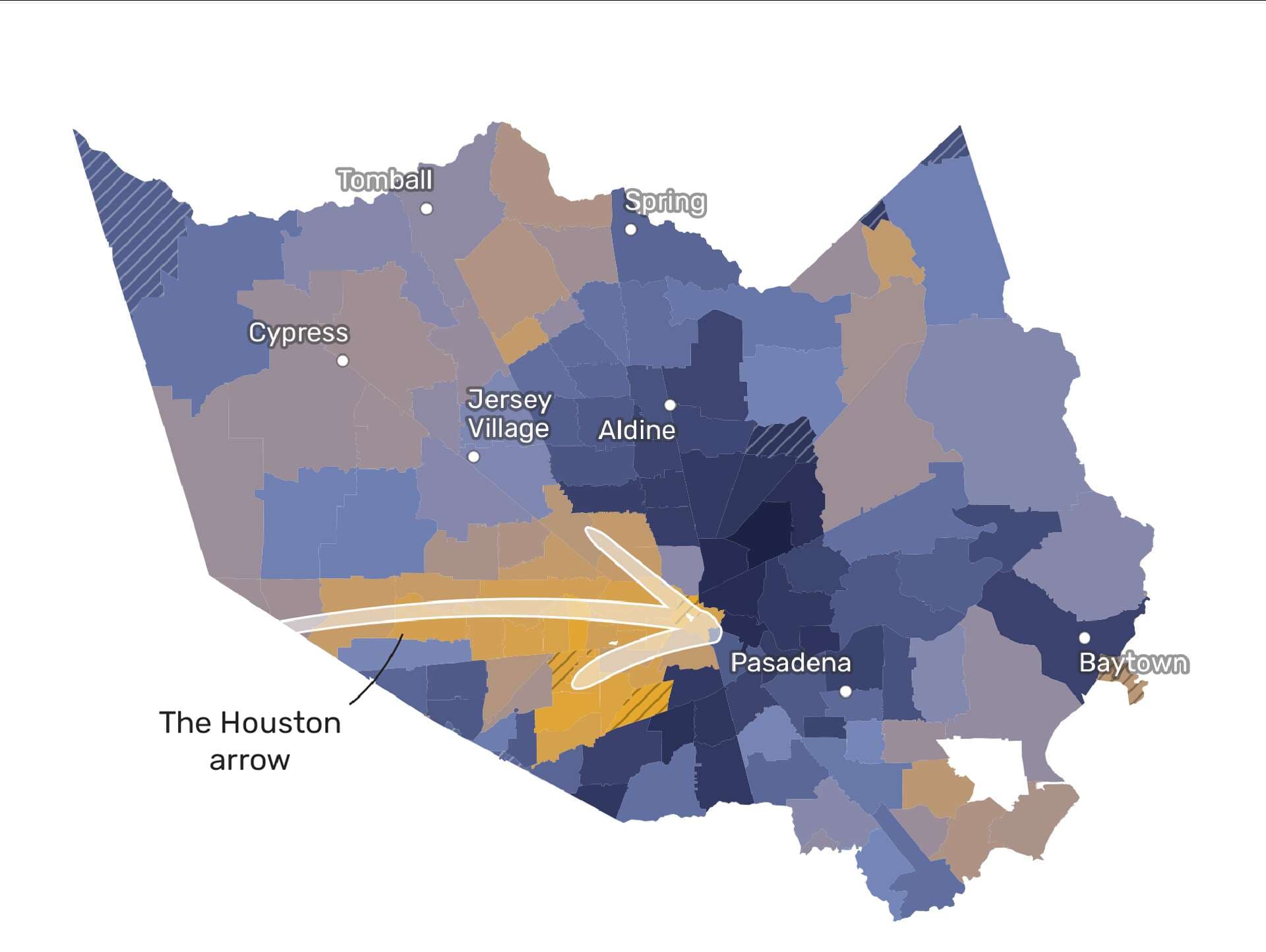
How the surge is hitting once-affordable neighborhoods
Harris County’s housing squeeze is no longer confined to the River Oaks end of the market. In places like Settegast and other historically affordable parts of northeast Houston, appraised values have climbed so fast that the gap between what homes are worth and what residents can comfortably absorb is widening by the year.

The Houston Chronicle’s ZIP-code map makes that shift plain. It tracks single-family home market values from 2017 to 2026 and shows the steepest gains landing in neighborhoods that used to be seen as comparatively affordable, while homeowners there are also less likely to file appraisal protests or use homestead exemptions that can help cap tax exposure.
Why the map matters now
The Chronicle built its 2026 analysis on Harris Central Appraisal District data and stripped out new construction and extensive renovations, including major upgrades such as pools, so the trend line reflects existing homes compared with other existing homes over time. That matters because it removes some of the noise that can make a neighborhood look hotter than it really is.
HCAD says it must appraise property at open-market value as of January 1 each year, and its 2026 reappraisal maps are based on a March 2026 snapshot. That means the numbers residents see are a real benchmark, but not a final one carved in stone. Values can still shift as protests move through the system and the year progresses.
The broader story is not just about appreciation. It is about where that appreciation has landed. Earlier Chronicle reporting found blue-collar neighborhoods across Houston saw values surge after decades of relative flatness, even as the city’s most expensive areas rose more slowly. University of Houston economist Steve Craig described the pattern as a “waterbed,” with pressure on pricier west-side neighborhoods pushing demand toward the east side. The result, as one land-policy expert put it, is that many Harris County homeowners are becoming house rich, or house richer, but income poor.
Settegast captures that imbalance. The Chronicle reported home values there rose 365% over a decade, while average household income rose just 33% over the same period. That is the kind of spread that turns an appraisal notice into a serious household budget problem, especially for owners who have little savings cushion and few tools to blunt the bill.
What the tax calendar means for your bill
In Harris County, the appraisal notice is not just paperwork. It is the starting point for whether your property tax bill could climb, and the calendar moves quickly once those notices go out. HCAD says appraisal notices are typically mailed in mid-March, and the deadline to protest is tied to the date the notice is mailed.
For 2026, the Equalization phase runs from May 15 through July 25, which is the period when owners are working through protest hearings and valuation adjustments. Taxes become delinquent on February 1 of the following year, so delaying a protest or ignoring an inflated appraisal can snowball into a bigger financial problem later.
HCAD’s scale makes that process matter countywide. The district assesses about 1.9 million parcels across Houston and surrounding areas, and in 2025 it said it settled more than 500,000 protests annually. That volume shows appraisal appeals are not unusual in Harris County. They are routine, and they are one of the main ways homeowners can fight back when a value looks too high.
How to challenge a value
Homeowners have two practical lanes for pushing back: file a protest and gather proof that the appraisal overshoots the market. HCAD offers online protest tools, including iFile and iSettle, which can streamline the process for owners who do not want to take time off work to handle everything in person.
A strong protest usually rests on evidence, not frustration. The most useful materials are the ones that show what your house is actually worth compared with similar nearby homes. That can include:
- Recent sales of comparable homes in your neighborhood
- Photos showing damage, deferred maintenance, or conditions the appraisal does not reflect
- Records of square footage, lot size, or layout errors
- Prior appraisal notices that show sudden jumps without a clear reason
- Proof that a homestead exemption is already on file, if applicable
The Chronicle’s map also layers in homestead-exemption use, which helps show another divide in Harris County. Owners in historically affordable neighborhoods are least likely to appeal appraisals or claim exemptions, while wealthier parts of the county use those tools more often to reduce tax bills. That gap matters because the households under the most pressure are often the ones least likely to navigate the system.
HCAD and the Harris County Tax Office have also offered free workshops to help homeowners work through the process. For residents staring at a value that jumped faster than their paychecks, those sessions can be the difference between accepting a higher bill and making a credible case for a lower one.
The bigger picture for Harris County
What is happening in Harris County is not just a tax story. It is a land-use and affordability story playing out block by block, especially in working-class neighborhoods that once offered a foothold for families priced out of the west side. When appreciation is strongest in the places that were supposed to remain within reach, the pressure spreads beyond housing and into school taxes, county taxes, and monthly budgets.
That is why the Chronicle’s map is so useful. It shows where the market has moved first, where residents are most vulnerable, and where the protest system may be the only meaningful brake on rising bills. In a county this large, with values changing across 1.9 million parcels, the households most at risk are often the ones with the least margin to absorb the shock.
This article was produced by Prism’s automated news system from verified source data, official records, and press releases, then run through automated quality and moderation checks before publishing. The system is built and supervised by the people who set the standards it runs under. Read our full AI policy.
Did this article answer your question?