Harris County lost 65,000 residents to domestic migration, Chronicle finds
More than 65,000 residents net left Harris County in domestic migration from 2020 to 2023, with Fort Bend and Montgomery counties pulling the most movers.
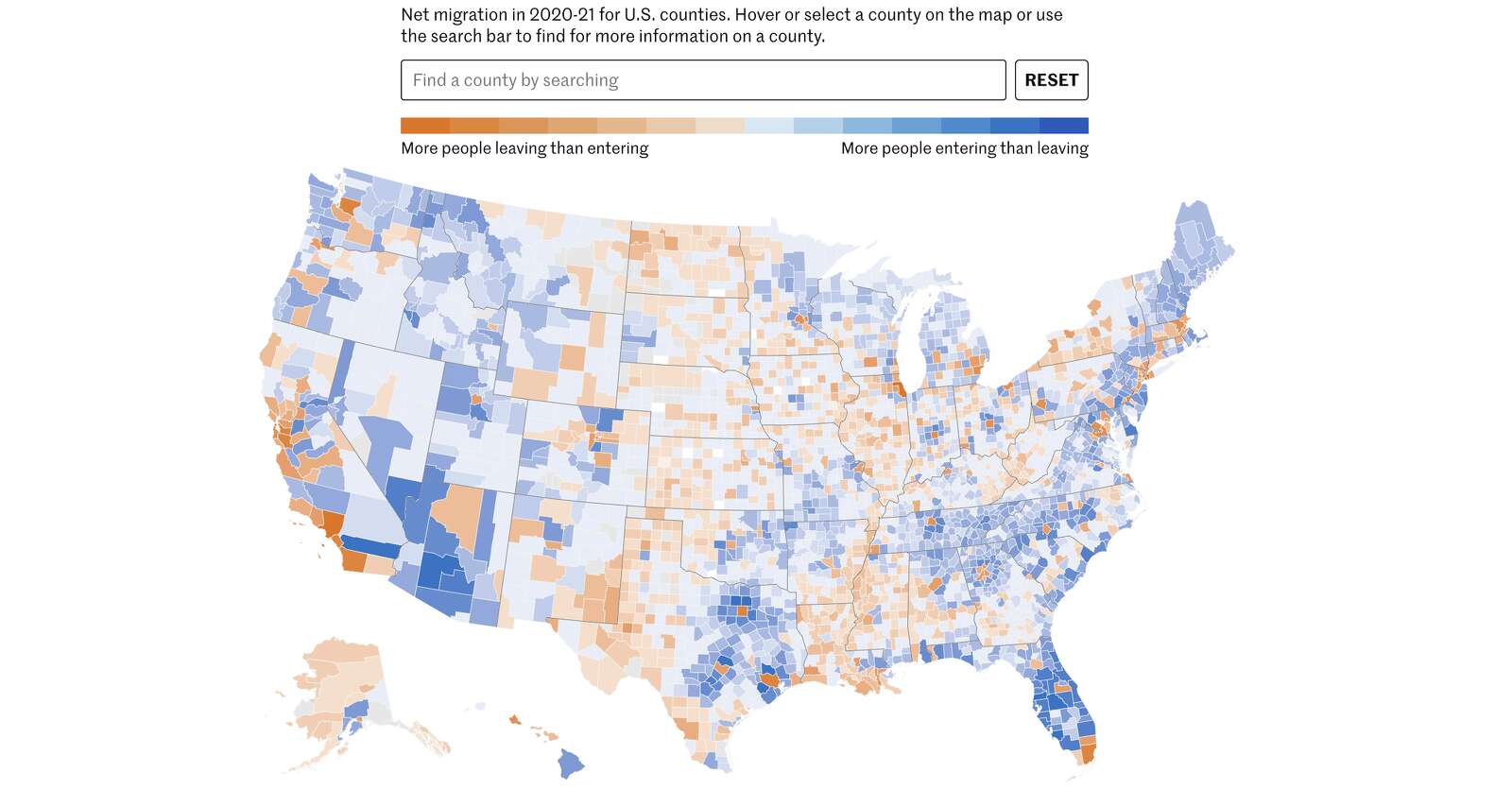
More than 65,000 more people left Harris County than moved in through domestic migration from 2020 to 2023, and the biggest pull was just outside county lines. About 560,000 residents moved out during that stretch, with Fort Bend County and Montgomery County the most common destinations, a pattern that keeps the focus on housing costs, taxes, commute times and school choices for families deciding whether to stay.
The numbers come from IRS tax-return address changes and are conservative because they only count people with filings in consecutive years. They also leave out international migration and natural change, meaning Harris County can post a domestic migration loss and still grow overall if births and overseas arrivals outpace deaths and departures. The 2023 data were released only after a federal government shutdown last fall delayed the federal schedule.

The outflow is not new, but it has shifted in size. Before the pandemic, Harris County’s net domestic migration loss averaged about 31,000 people a year. The county lost about 32,000 residents in 2020 and about 16,000 between 2021 and 2022, before the later early-2020s period pushed the total loss above 65,000. That suggests the county was not just bleeding residents in the abstract; it was losing them in waves that changed with the housing market, job locations and the cost of living.
The pull toward the suburbs is especially clear in Texas A&M’s Real Estate Research Center data. About 65 percent of households relocating within Texas from Harris County moved to the eight adjacent counties: Brazoria, Fort Bend, Austin, Waller, Montgomery, Liberty, Chambers and Galveston. Most of those moves went to Fort Bend and Montgomery counties. The center also found that people leaving Harris County for nearby counties tended to have higher average incomes than people moving in, which points to a migration pattern shaped less by crisis than by households with enough income to trade up to more space, newer housing or a shorter path to preferred schools.
That suburban drift fits the larger Houston story. Rice University’s Kinder Institute for Urban Research said in April 2026 that migration from Harris County to the suburbs and other parts of the U.S. picked up again in the latest Census vintage, while international immigration slowed. Even so, Harris County still accounted for nearly 50,000 people of Greater Houston’s population gain between mid-2024 and mid-2025. The county is losing residents to surrounding suburbs, but it is still helping drive the region’s growth, a sign that the question for local leaders is less whether the exodus exists than whether Harris County can make staying here cheaper, easier and more competitive.
This article was produced by Prism’s automated news system from verified source data, official records, and press releases, then run through automated quality and moderation checks before publishing. The system is built and supervised by the people who set the standards it runs under. Read our full AI policy.
Know something we missed? Have a correction or additional information?
Submit a Tip
