Harris County monitoring surge raises fugitive tracking concerns
More than 10,000 Harris County defendants were on electronic monitors in 2024, but the county still cannot say how many later became fugitives.

Harris County has more than doubled its use of GPS and curfew-based electronic monitoring since 2021, yet county officials still cannot say how many monitored defendants later vanished into fugitive status. In 2024, more than 10,000 defendants were tethered by some type of electronic monitoring device, a scale that has turned the program into a major public-safety tool with no clear public accountability measure.
That gap matters because Harris County Pretrial Services says its mission is to monitor defendants released on bond, promote compliance with court orders and support public safety. But the agency does not track how many people who violate monitoring conditions become wanted fugitives, leaving county leaders unable to answer a basic question for neighborhoods from Third Ward to Cypress: when someone cuts off an ankle monitor or breaks curfew, how often do they actually disappear before court can act?
The concern is not theoretical. In one recent case, prosecutors had to seek a motion to compel a private tracking company to turn over GPS logs during the fugitive investigation of Walter Pozos. FOX 26 reported that Pozos allegedly triggered a tamper alert on May 11, later failed to appear for trial, had his bond forfeited and was later charged with bail jumping and failure to appear. KHOU also reported that Lee Gilley allegedly fled to Italy after cutting off his GPS ankle monitor while out on bond for capital murder.
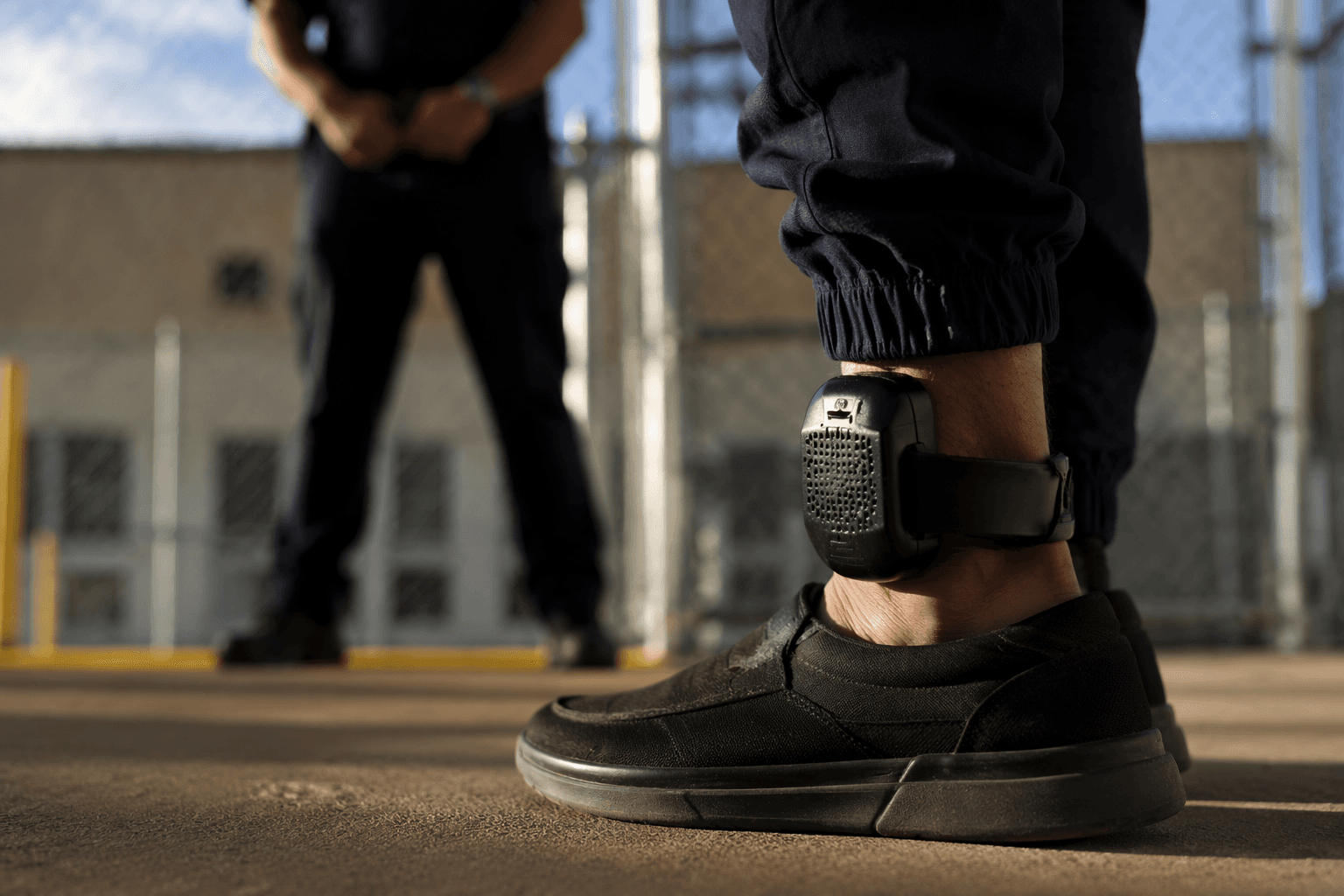
The county’s monitoring footprint has expanded sharply over time. A Harris County Office of County Administration project page said Pretrial Services reached a historic high of more than 32,500 active clients in July 2021, after growth that began after Hurricane Harvey in 2017 and was compounded by the COVID-19 pandemic. In March 2024, KHOU reported that 4,121 accused felony defendants were ordered to wear ankle monitors in 2023, up from 326 in 2019, but the agency still could not provide data on how many violators broke their conditions.
The timing problem adds another layer of risk. The court may not learn about a violation until days later, and if a monitor is removed on Friday, the report may not go out until the next business day. Crime Stoppers of Houston’s Andy Kahan said he was stunned that the agency responsible for monitoring defendants on bond did not know how many had become wanted fugitives.

Commissioner Adrian Garcia said in a statement that he wants to strengthen the county’s electronic monitoring program, especially for violent offenders. That push comes as Texas law has already been tightened: since September 1, 2023, removing, tampering with or destroying an electronic monitoring device has been a state jail felony. The policy debate in Harris County now turns on whether expanding monitoring without a reliable fugitive-tracking back end has actually made residents safer, or only made failures easier to document after the fact.
This article was produced by Prism’s automated news system from verified source data, official records, and press releases, then run through automated quality and moderation checks before publishing. The system is built and supervised by the people who set the standards it runs under. Read our full AI policy.
Know something we missed? Have a correction or additional information?
Submit a Tip