Harris County recognizes January as Muslim American Heritage Month
Commissioners adopted a resolution recognizing January as Muslim American Heritage Month, highlighting Muslim contributions and county efforts to combat Islamophobia and promote inclusion.

Harris County Commissioners Court voted on Jan. 8, 2026, to adopt a resolution recognizing January as Muslim American Heritage Month, a formal acknowledgement of the civic, cultural and economic contributions of Muslim residents across the county. The action, recorded in the official meeting transcript, included public comment in support of the resolution and remarks from multiple commissioners linking the recognition to broader county commitments to inclusion.
During the meeting commissioners and community speakers emphasized the role of mosques and Islamic centers as community anchors. The record documents references to food distribution, disaster response and youth services provided by these institutions, framing them as part of the county’s social safety net and local civic infrastructure. Public comments filed at the meeting voiced support for the resolution and underscored local residents’ desire for greater recognition and protection against religiously motivated harassment.
Beyond symbolism, the court discussion positioned the resolution as consistent with county priorities on equity and public safety. Commissioners tied the recognition to efforts to combat Islamophobia and hate, suggesting the declaration is intended to signal both moral and institutional support for Muslim residents. While a ceremonial resolution does not itself create new programs, the court’s acknowledgement can shape county messaging, community outreach and the priorities of departments tasked with public engagement and emergency response.
For Harris County residents, the resolution has practical resonance. Muslim-serving organizations already contribute to food access and disaster relief, and formal recognition by the county may make it easier for these groups to partner with county offices, access information and participate in planning processes. The public comment recorded in the transcript shows local stakeholders are watching how the county translates words into action, particularly on protecting civil liberties and preventing hate incidents that affect daily life and civic participation.
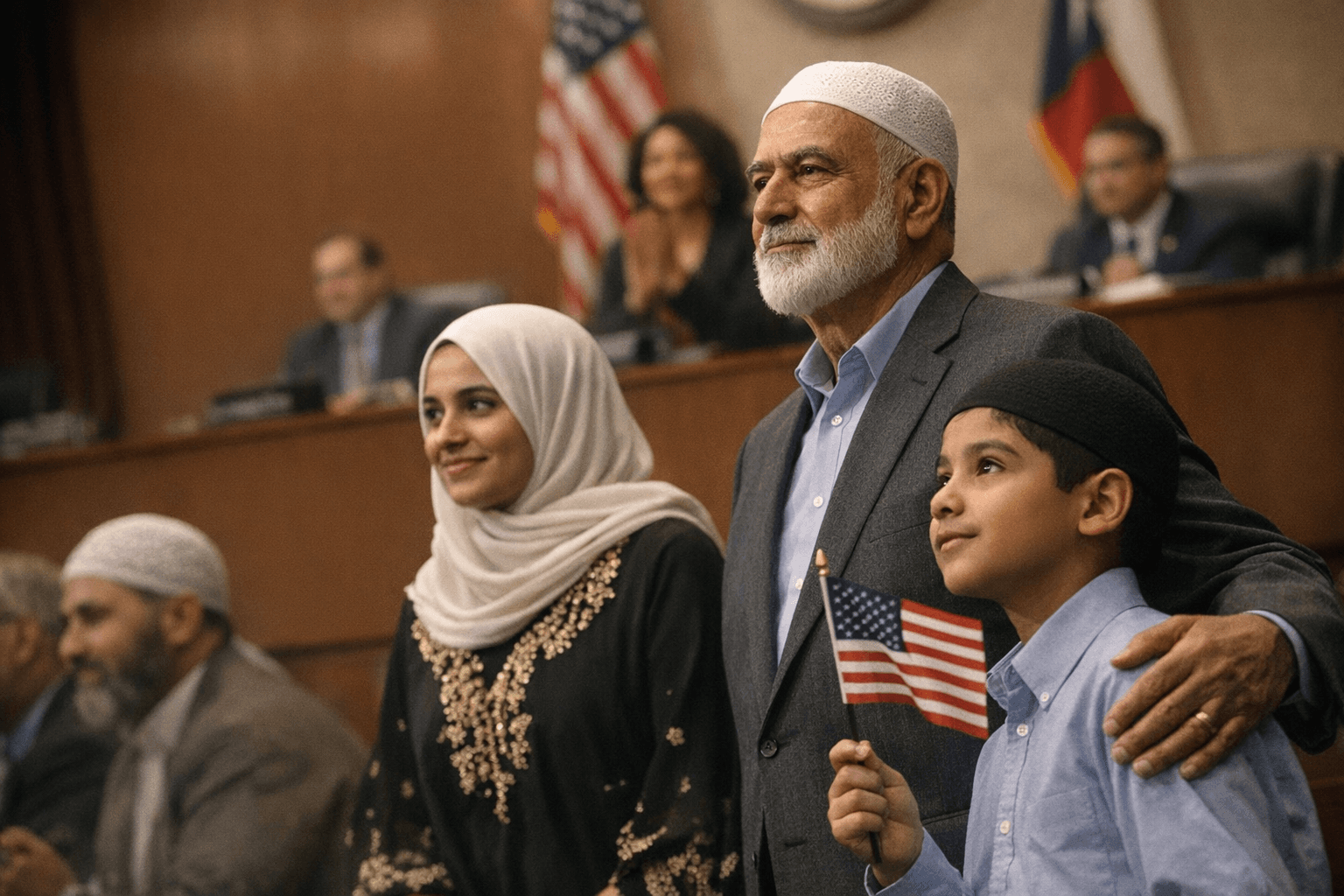
The Jan. 8 transcript serves as the official public record of the vote and the statements made during the meeting. It captures both the procedural adoption of the resolution and the public sentiment that accompanied it, preserving the remarks of commissioners and community members for future oversight and for constituents tracking county commitments.
Our two cents? Recognition matters, but follow-through is key. Attend a Commissioners Court meeting, use the public comment process and connect with neighborhood Islamic centers to make sure the county’s commitments turn into concrete partnerships and protections that residents can rely on.
This article was produced by Prism’s automated news system from verified source data, official records, and press releases, then run through automated quality and moderation checks before publishing. The system is built and supervised by the people who set the standards it runs under. Read our full AI policy.
Did this article answer your question?