Harris County reports Texas' first human West Nile case of 2026
Harris County has Texas’ first human West Nile case of 2026, a neuroinvasive infection, as mosquito season ramps up and officials urge home prevention.

Harris County has Texas’ first human West Nile case of 2026, and health officials are warning residents to treat mosquito control as an immediate household task as warm, wet weather raises the risk across the county.
The Texas Department of State Health Services confirmed the case in a Harris County resident on May 19 and said the patient was diagnosed with West Nile virus neuroinvasive disease, the more serious form of the infection. That means the illness has already moved beyond mosquito pools and into a human case this season, with Harris County again at the center of early activity.
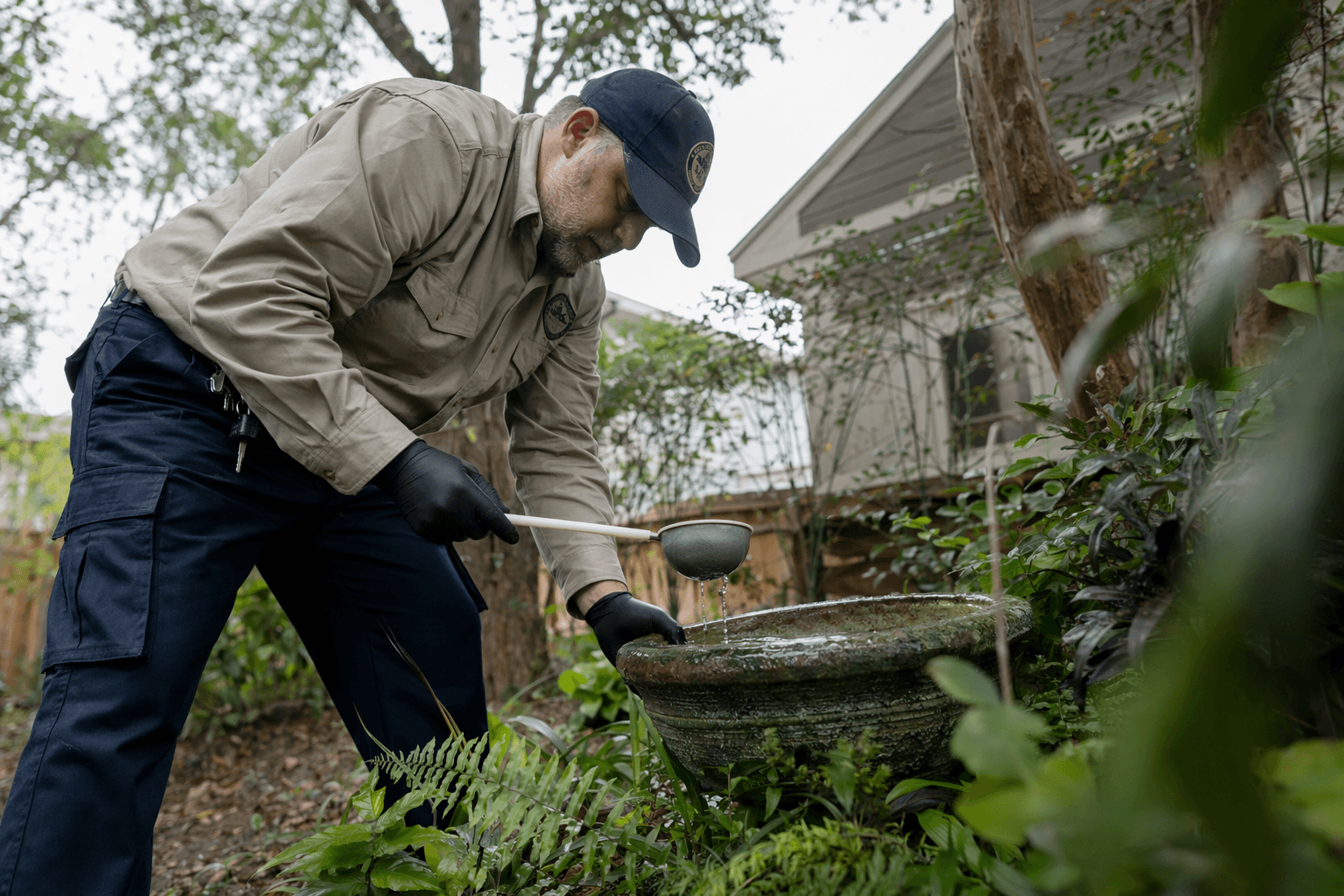
West Nile spreads through infected mosquito bites, and health officials say the danger rises in spring and summer, when standing water and warmer temperatures create better breeding conditions. Mosquitoes can be present year-round in Harris County, but the seasonal surge usually comes as temperatures climb. Harris County Public Health had already identified the county’s first positive mosquito sample of 2026 before the human case was confirmed, with samples reported in zip codes 77041 and 77032.
The new case also fits a local pattern that residents have seen before. Harris County recorded 10 human West Nile cases in 2025 and 45 cases in 2024, a reminder that the virus remains a recurring public-health threat in the Houston area. State officials said West Nile and other mosquito-borne illnesses are a regular risk in Texas during warmer months, and DSHS Commissioner Jennifer A. Shuford urged Texans to take precautions against mosquito bites to stay safe and healthy.
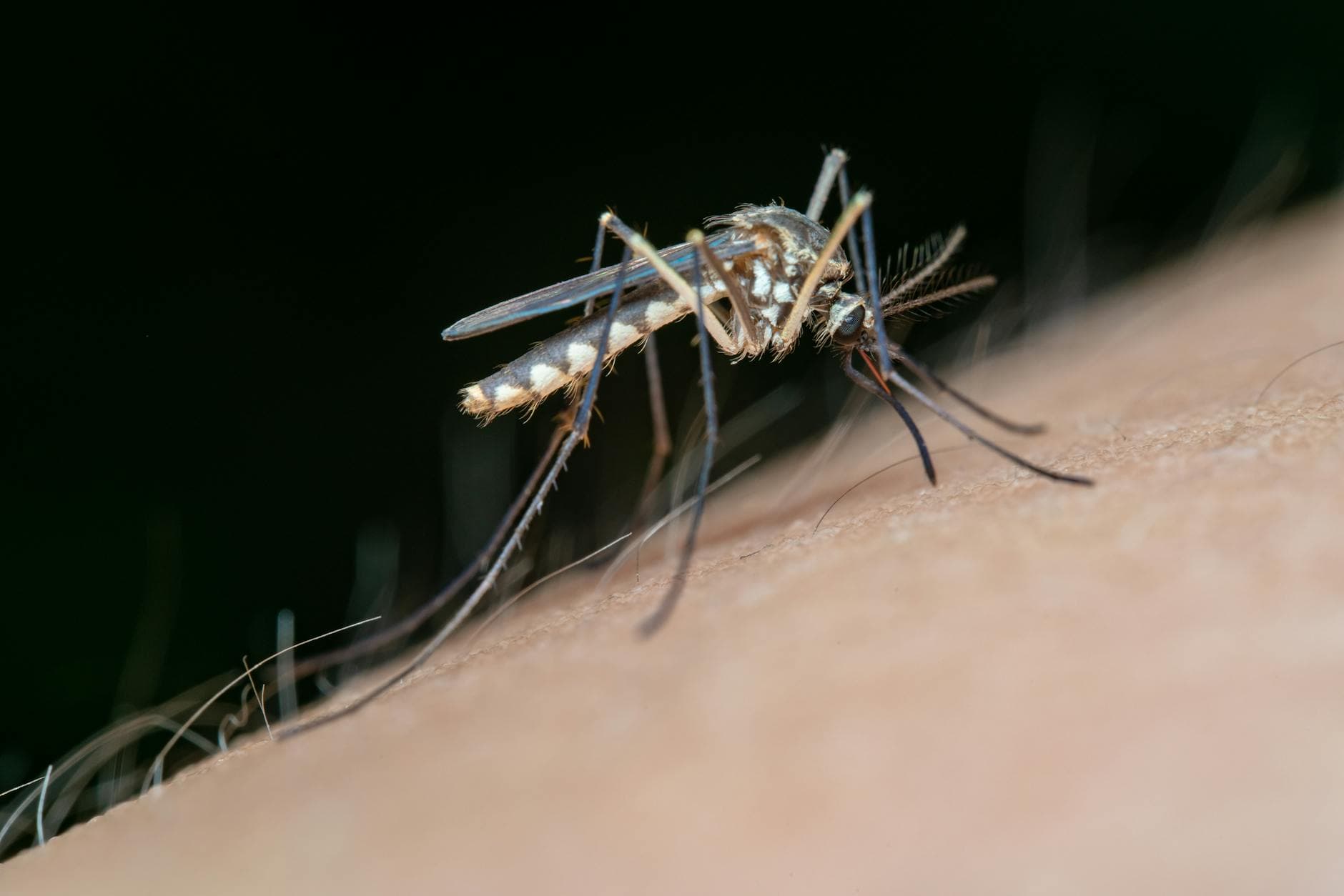
Most people infected with West Nile do not get sick, but when symptoms do appear they can begin like a summer flu: fever, headache, nausea, muscle and joint aches, and fatigue. Officials said some cases progress to more serious neurological illness, including meningitis, encephalitis and acute flaccid myelitis. DSHS says only about 1 in 150 infected people develop the severe neuroinvasive form, while about 20% experience mild symptoms such as fever, headache, body aches, and sometimes rash and swollen lymph glands.

There is no licensed vaccine or medicine to prevent or treat West Nile disease in people, so prevention remains the main defense. Public health officials are urging residents to dump standing water, use mosquito repellent, and take bite-prevention steps around homes, especially as mosquito season builds across Harris County. DSHS continues to track the virus through annual maps and weekly arbovirus reports for humans, horses and mosquitoes, while local preparedness systems such as ReadyHarris remain part of the county’s public-health response.
Know something we missed? Have a correction or additional information?
Submit a Tip.jpeg&w=1920&q=75)