Harris County residents cite economy as top concern, financial anxiety rises
Harris County households are feeling a $400 surprise more sharply, as the Kinder survey says economy worries now outrank crime across metro Houston.

A single unexpected $400 bill would wipe out the cushion for nearly 8 in 10 Houston-area residents earning less than $25,000, a stark measure of how quickly rent, groceries, insurance and commuting costs can overwhelm a household budget.
That pressure is showing up in the 2026 Kinder Houston Area Survey, a 45th annual snapshot from Rice University’s Kinder Institute for Urban Research that drew on nearly 9,000 adults in Harris, Fort Bend and Montgomery counties. For the first time since 2022, the economy replaced crime as the most-cited problem facing metro Houston, and optimism about local job prospects fell to its lowest level in nearly 15 years among Harris County residents.
The survey was conducted in January and February through the Greater Houston Community Panel and found a 30-point drop in the share of residents who rated local job opportunities as good or excellent. Researchers said that was the steepest one-year decline in job sentiment since the oil crisis of the early 1980s, a sign that the region’s economic anxiety is deepening even before most households see it in official headlines.
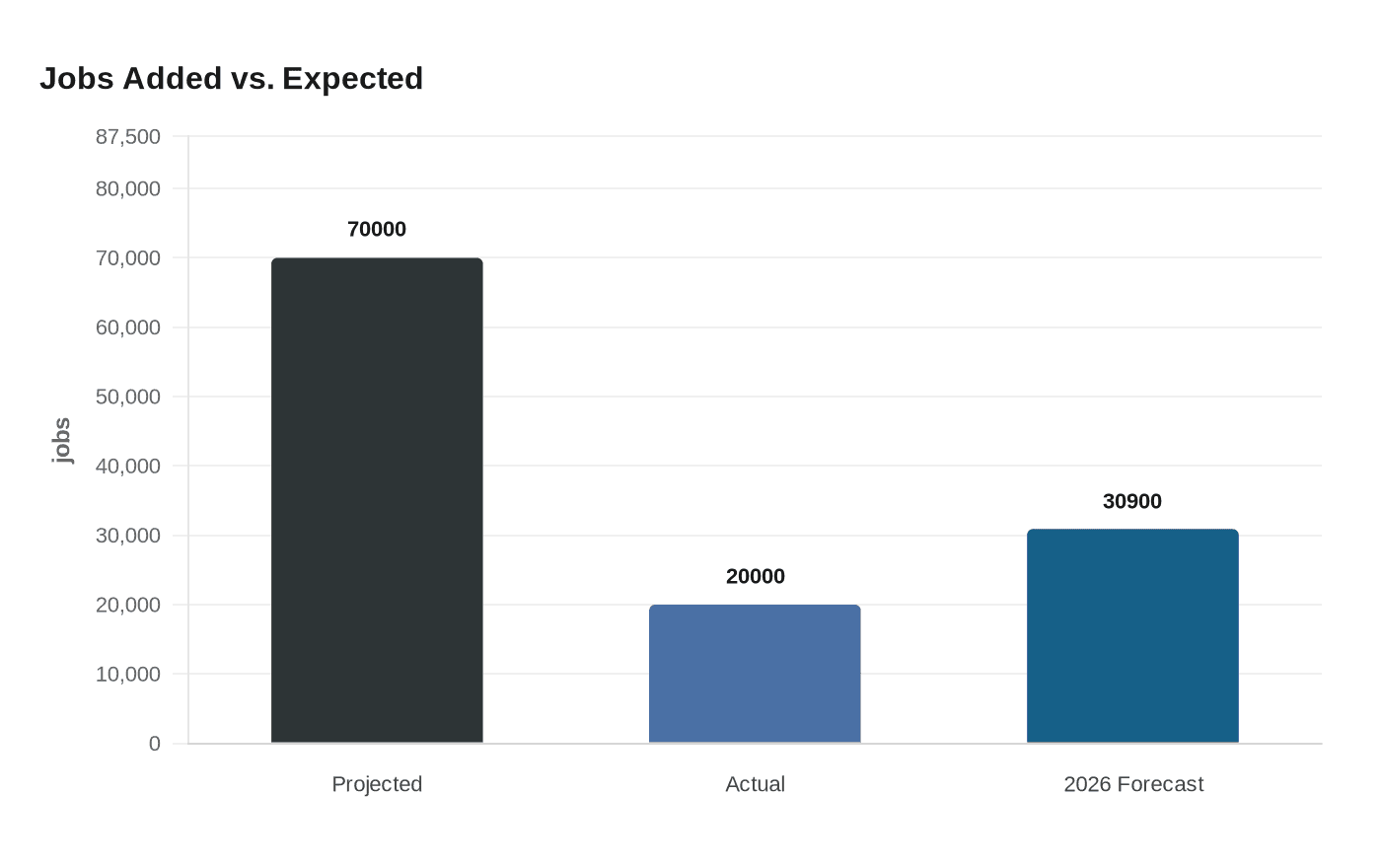
More than one in five respondents said they felt financially worse off than they did a year earlier. That feeling was especially sharp among lower-income households, where a missed paycheck, a higher utility bill or an emergency repair can quickly become a crisis. Researchers also said the region had been projected to add more than 70,000 jobs during the year but actually added fewer than 20,000, helping explain why confidence in the labor market has deteriorated so sharply across Harris County and its fast-growing suburbs.
The worry stands in contrast to some broader indicators. In early April, the Greater Houston Partnership said Houston led the nation in population growth last year, and revised employment data showed stronger job growth in 2025 than first reported. The business group is forecasting 30,900 new jobs in 2026. The disconnect suggests the region is still growing, but not fast enough for many families to feel secure about the next rent increase or the next insurance renewal.
The Kinder report also tied economic anxiety to social ties. Crime and safety ranked second among the region’s concerns, but residents who felt more connected to their neighbors were less likely to say they felt unsafe. The institute said the survey’s three themes this year were the economy, the environment and social connections, and that stronger communities can improve economic mobility, safety and well-being. Public-use data from the survey are available through the Urban Data Platform.
This article was produced by Prism’s automated news system from verified source data, official records, and press releases, then run through automated quality and moderation checks before publishing. The system is built and supervised by the people who set the standards it runs under. Read our full AI policy.
Did this article answer your question?