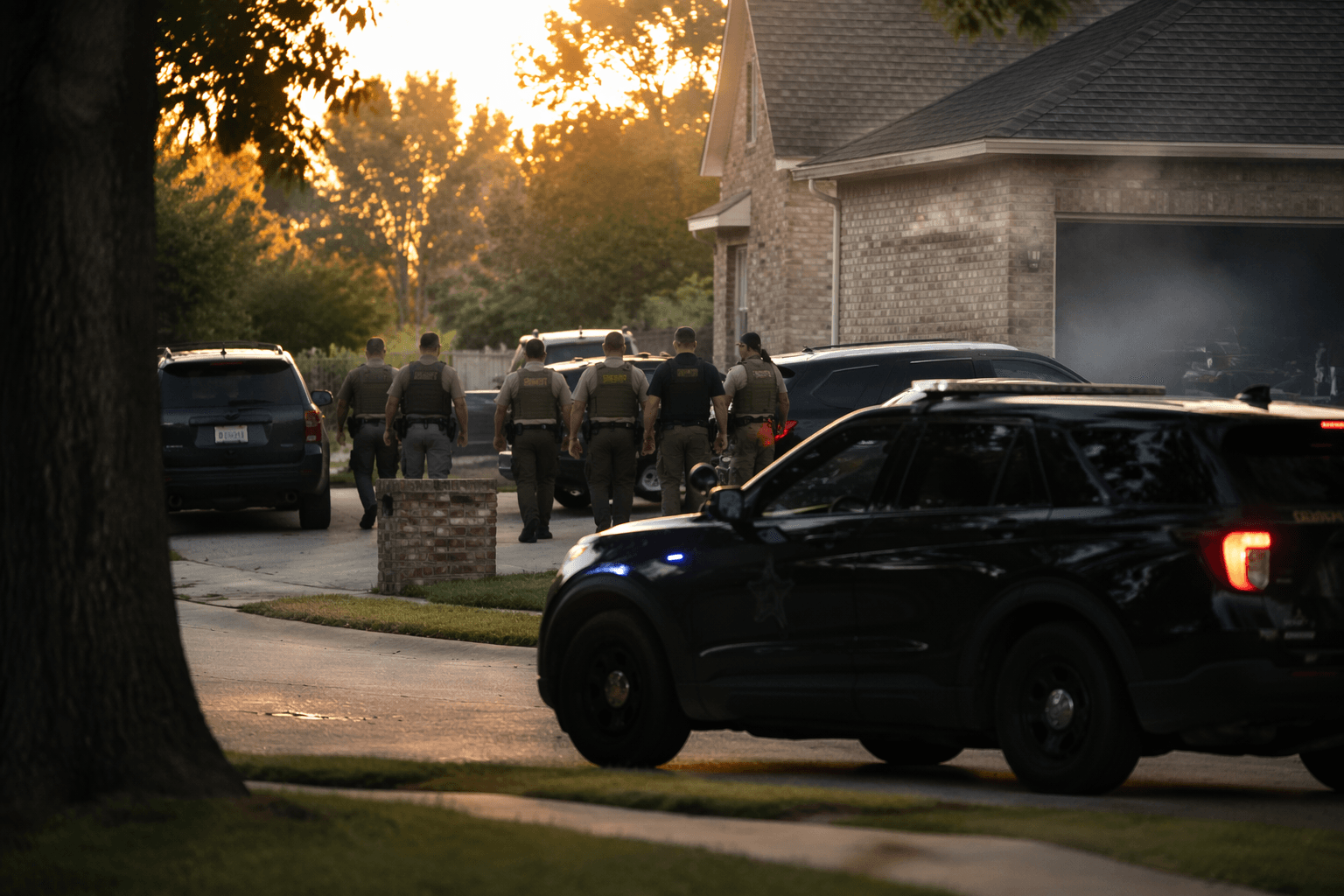
Harris County spending millions as repeated runoffs keep voters at polls
Harris County had already spent nearly $5 million on elections before the May runoff, and 2024 primary and runoff contests cost about $15.6 million.

Harris County had been living in election mode for months, and the tab was still rising. Before the May runoff elections were counted, county figures showed nearly $5 million had already been spent on elections. In 2024, primaries and runoff contests cost roughly $15.6 million.
The reason is built into Texas law. Primary elections are majority-vote contests, so if no candidate clears 50 percent, the top two advance to a runoff. In a county as large as Harris County, the largest in Texas and the third-largest in the United States, that can mean hundreds of polling places, a large temporary workforce, ballot programming and mail-ballot processing every time voters are sent back.
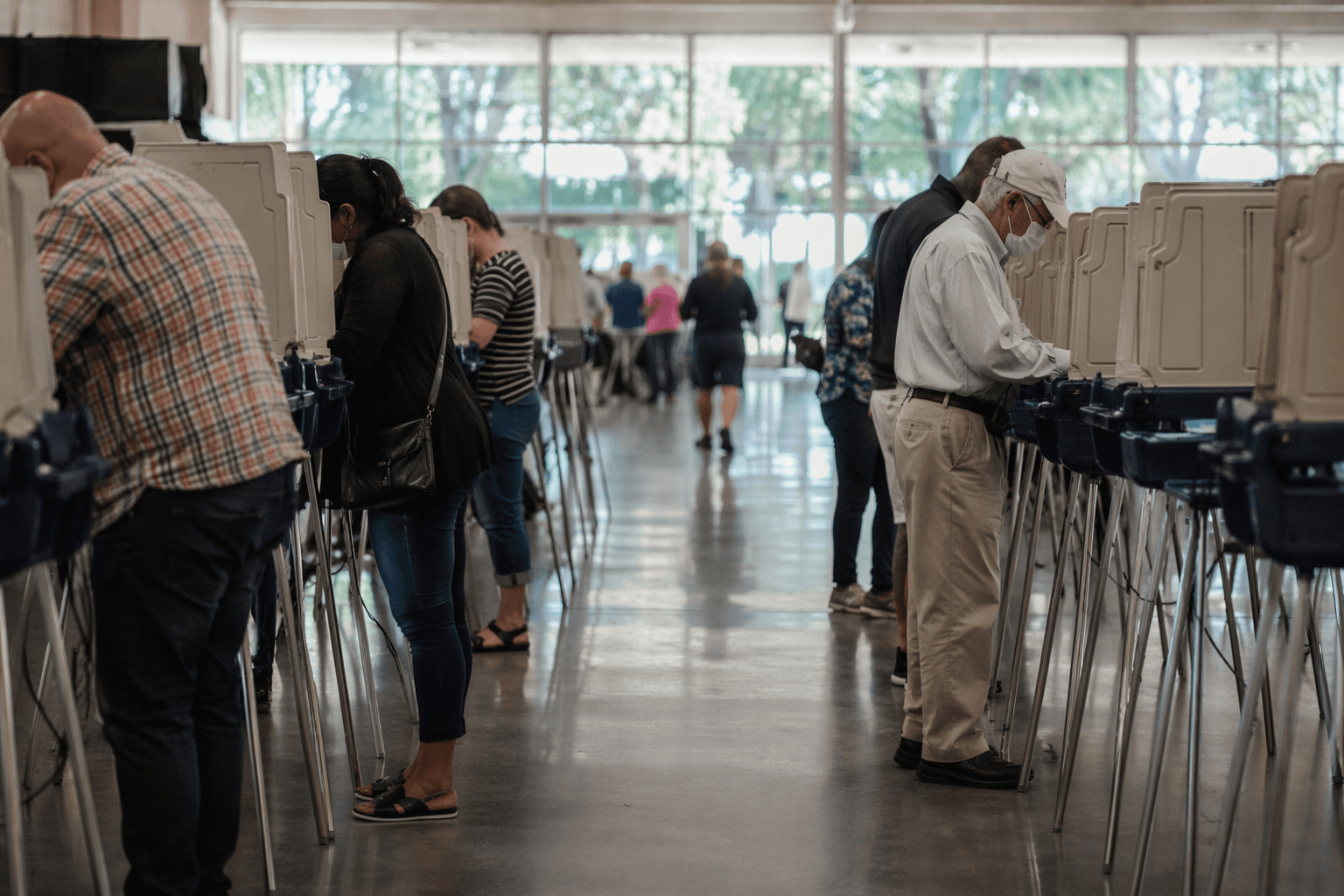
The spending adds up because the calendar keeps repeating itself. November general elections were followed by a December runoff, then a January special runoff, March primaries and April and May special elections, all in less than a year. County Clerk Teneshia Hudspeth has described elections as expensive and said Harris County often functions like a contractor for many jurisdictions, picking up the cost and logistics of running vote after vote.
That cost is not just fiscal. It has been shadowed by years of scrutiny over how Harris County manages elections. In 2022, the county missed vote-counting deadlines and failed to count 10,000 ballots in its initial returns. A preliminary audit from the Texas Secretary of State found "multiple failures" in the county’s election administration. Later that year, the Texas Supreme Court ordered Harris County to include 2,073 ballots cast during an extra hour of Election Day voting in its certified results.
That history helps explain why the runoff debate has moved beyond politics and into budgeting, administration and access. Reform advocates and county leaders have asked whether Texas law is forcing too many repeat elections, and whether consolidating election dates or using ranked-choice voting could reduce costs without cutting off voters. Some Houston-area voters have already described "election fatigue" as they moved through repeated primaries, special elections and runoff contests.
For Harris County voters, the practical consequence is simple: as long as no one wins a majority in crowded races, the county will keep paying to run them again. Every extra runoff means more public money, more staffing and another trip back to the polls.
This article was produced by Prism’s automated news system from verified source data, official records, and press releases, then run through automated quality and moderation checks before publishing. The system is built and supervised by the people who set the standards it runs under. Read our full AI policy.
Did this article answer your question?