Houston approves trail bridge linking Memorial Park and Uptown Houston
Houston City Council unanimously backed a $22.5 million trail bridge that will give walkers and cyclists a direct crossing of Loop 610 between Memorial Park and Uptown Houston.
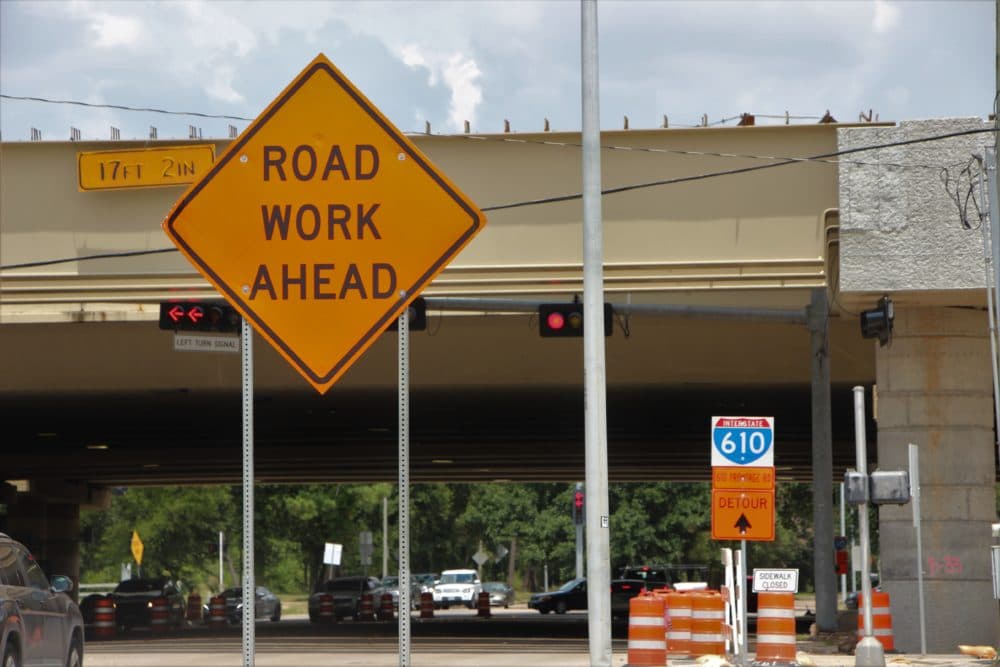
A long-missing crossing between Memorial Park and Uptown Houston won unanimous City Council approval, clearing the way for a $22.5 million shared-use trail and bridge over Loop 610 near Buffalo Bayou. The project is designed to close one of Houston’s most frustrating gaps for walkers and cyclists in the Galleria area.
The new route will run between Post Oak Boulevard and Woodway Drive, linking existing mixed-use trails on both sides of the West Loop. Instead of forcing people onto busy surface streets or awkward sidewalk detours, the bridge will create a more direct path for commuters, joggers, park visitors and cyclists moving between two of the city’s most heavily used destinations.

The council’s unanimous vote on the public improvement development agreement showed broad support for a project that is not flashy, but could change daily trips in a crowded part of Houston. For people trying to move across the Loop 610 corridor near Buffalo Bayou, the value of the bridge will be measured in fewer conflicts with traffic, less time spent navigating gaps in the network and a safer connection between places that already draw steady foot and bike traffic.
The practical test for the project is straightforward: who will actually use it, and for what? In the short term, the strongest benefit will likely go to people already traveling between Memorial Park and Uptown Houston on foot or by bike, especially those trying to avoid car-heavy roads around the Galleria. Over time, the connection could also help nearby businesses by making the corridor easier to reach without a car, a small but meaningful shift in an area where congestion is routine.
The bridge also fits a larger transportation challenge in Houston, where growth continues to put pressure on options beyond driving. A safer, more connected route across one of the city’s busiest corridors may sound like a quality-of-life upgrade, but it can shape how residents, workers and visitors move to work, recreation, shopping and events. In a county still balancing road capacity, safety and livability, the vote marked a concrete step toward making the city easier to cross on foot and by bike.
This article was produced by Prism’s automated news system from verified source data, official records, and press releases, then run through automated quality and moderation checks before publishing. The system is built and supervised by the people who set the standards it runs under. Read our full AI policy.
Did this article answer your question?