Houston capital plan rises to $17.9 billion over five years
Houston’s next five-year capital plan climbed to $17.991 billion, and officials warn the bigger price tag could mean fewer new projects and tougher tradeoffs.

Houston’s next five-year project list has grown to $17.991 billion, about $1.25 billion more than the adopted FY2026-2030 plan, and city finance officials say the higher cost will make it harder to add new work without pushing something else back. For Harris County taxpayers, that could mean longer waits for street repairs, drainage fixes, public buildings and other infrastructure that shows up in daily life.
Finance Department staff told the Houston City Council Budget and Fiscal Affairs Committee on June 8 that the FY2027-2031 Capital Improvement Plan is a rolling five-year program that the city revises every year to add projects, update priorities and extend the planning horizon. Melissa Dubowski, the city’s finance director, said the city expects cost escalation to limit how many new projects can be added, which means Houston may end up doing less even while spending more.
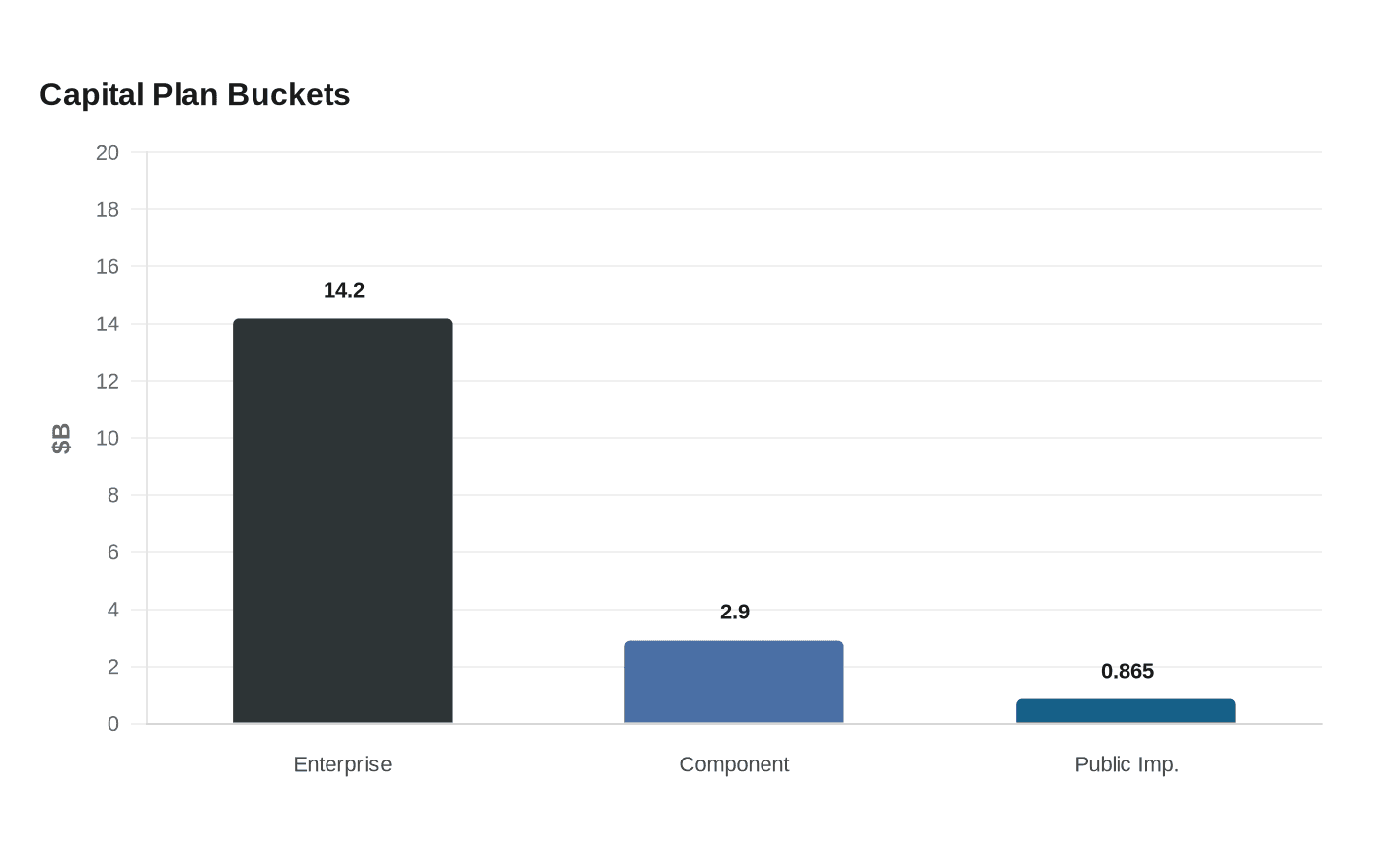
The plan is split into four large buckets: the Public Improvement Program, which covers fire, health, housing, library, parks and police work; Build Houston Forward, which covers storm drainage and street infrastructure; enterprise programs, including the Combined Utility System, solid waste and airports; and component units such as Houston Parks Board, Houston First, Houston Zoo and tax increment zones. City documents put enterprise programs at $14.2 billion, the Public Improvement Program at $865 million and component units at $2.9 billion.
The most visible pressure points are in projects residents are likely to notice. Houston expects to spend about $1.28 billion on storm drainage over the five-year period, including neighborhood drainage, stormwater detention and improvements at the Lake Houston Dam spillway. Other named items include $185 million for municipal court improvements, $13.5 million for police facilities, more than $26.5 million for fire station improvements, $246 million for fleet replacement and $22.8 million for technology upgrades.
The Lake Houston Dam Spillway Improvement Project stands out because the city describes it as a flood-risk reduction effort that protects communities along the San Jacinto River and a major regional water source. City records also show a $2.5 million ordinance tied to spillway improvements and an interlocal agreement with Coastal Water Authority.
The city is leaning on public improvement bonds, drainage utility charges, developer impact fees, ad valorem revenues redirected from debt service and grants from agencies including METRO, Harris County, TxDOT, FHWA, HUD and FEMA. Build Houston Forward is being planned using an amount based on the Agreed Modified Injunction signed May 30, 2025.
The budget fight comes after last year’s plan drew frustration for rolling unfinished projects forward again. Houston City Council approved the FY2026-2030 capital plan on June 25, 2025, after 20 amendments were proposed and four were adopted, including faster replacement of a police station in Northwest Houston and a drainage project in the Westwood subdivision. The city says it has held public meetings on the annual capital plan since 1984, after a 1983 City Council resolution created the five-year process.
This article was produced by Prism’s automated news system from verified source data, official records, and press releases, then run through automated quality and moderation checks before publishing. The system is built and supervised by the people who set the standards it runs under. Read our full AI policy.
Did this article answer your question?