Houston controller launches trash fee comparison tool amid budget debate
Chris Hollins says the starting trash fee would cost most city customers $60 a year, and homes under about $875,000 may pay more than under a tax hike.

Houston Controller Chris Hollins has put a number on Houston’s trash-fee fight: $60 a year for the starting charge, or $300 a year if the city’s proposal climbs to its planned $25 monthly cap. His new “This Fee is Garbage” calculator lets homeowners enter taxable value and compare the fee against a property-tax increase or other revenue options, turning a City Hall budget dispute into a household bill question.
The stakes are immediate because Mayor John Whitmire’s proposed FY 2027 budget would begin a $5 monthly administrative user fee in 2027 and 2028, then add $5 a year until 2032. The plan would move Solid Waste out of the general fund and make it a municipal utility within Houston Public Works. The city says the change is meant to create a more structurally balanced budget without raising property taxes, but it also acknowledges the first $5 charge would cover only administrative costs, not the full cost of collecting garbage.
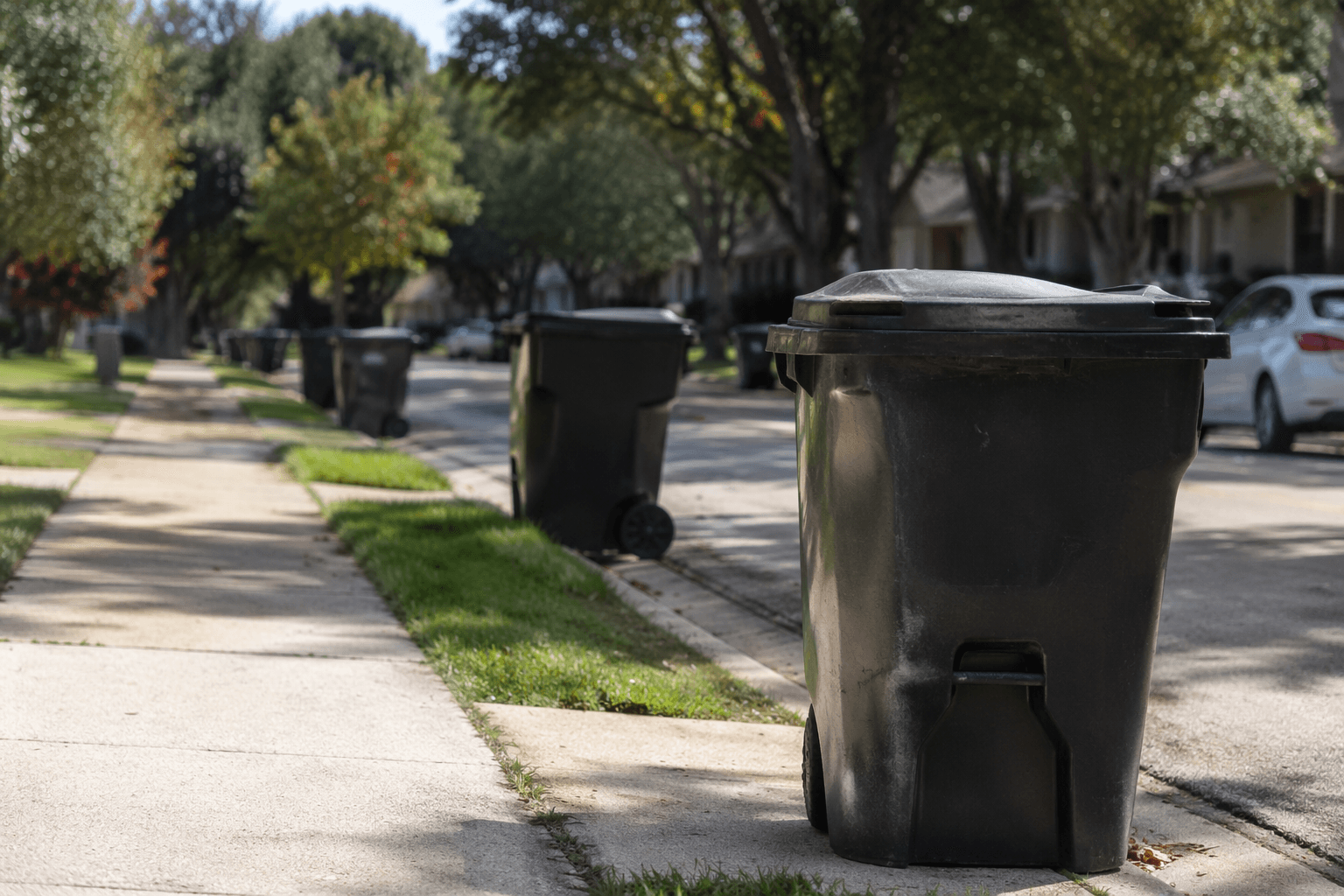
The city’s own figures show why the debate has teeth. Houston serves about 400,000 solid-waste customers, and the department costs roughly $100 million to $107 million a year. At $5 a month, the fee would bring in about $24 million in the first budget year, a fraction of the department’s cost but enough to start shifting the system away from general revenue. The administration also says 46,300 households that use private trash service would not pay the fee and would keep a $6 monthly subsidy.
Hollins’ comparison tool lands on the equity question Whitmire’s administration has not escaped. Based on the controller’s math, homes with taxable values below about $875,000 could pay more under the trash fee than under a property-tax increase designed to raise the same amount of money. That makes the proposal feel less like a simple utility bill and more like a new way of spreading city costs, especially for middle-value homeowners who would notice $60 a year on their utility bill long before a budget hearing.
The mayor’s office says the city needs the shift because the system is under strain, with only two of five garbage transfer stations operating and the only recycling transfer station still not online. Houston is also the only major city in Texas without a garbage fee. Council members, including Alejandra Salinas and Tiffany Thomas, have pushed for affordability protections and raised concerns about how high the charge could ultimately go. For now, the numbers line up well enough to show where the burden would fall: the city’s math may be sound, but the political fight is over who pays, when they pay, and whether a fee hidden on a utility bill is any easier to swallow than a tax hike.
This article was produced by Prism’s automated news system from verified source data, official records, and press releases, then run through automated quality and moderation checks before publishing. The system is built and supervised by the people who set the standards it runs under. Read our full AI policy.
Did this article answer your question?