Houston council approves $30M demolition plan to clear drainage
Houston city council voted to spend $30 million from the Stormwater Fund to demolish abandoned buildings to reduce illegal dumping and flooding.
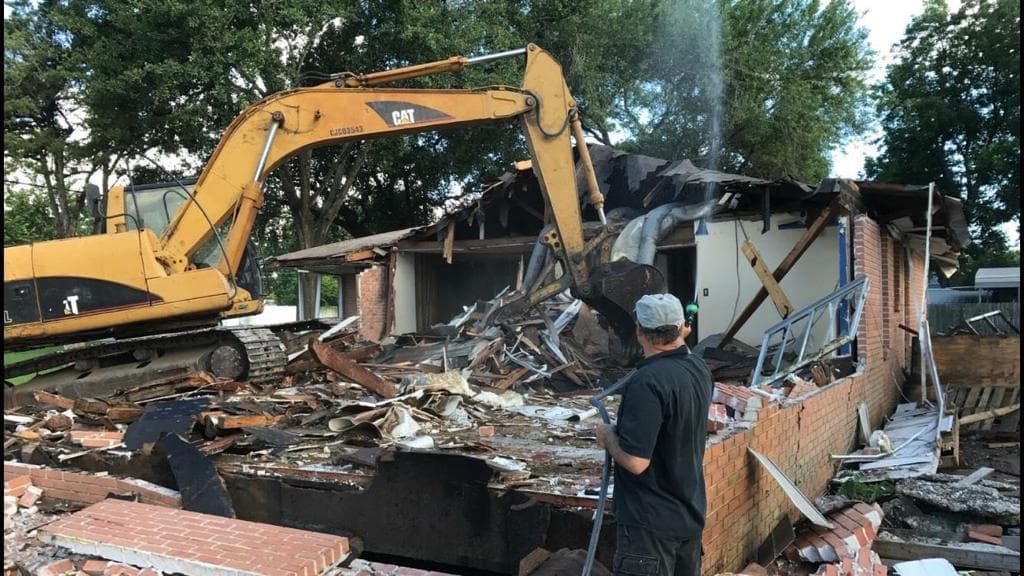
Houston city council voted on January 8 to authorize $30 million from the city’s Stormwater Fund to demolish abandoned and dangerous buildings across the city, a move city leaders say will reduce illegal dumping that clogs drainage and contributes to flooding. Mayor John Whitmire’s office identified roughly 340 structures in the initial scope for removal.
The measure passed despite sharp criticism from City Controller Chris Hollins and some neighborhood residents who argued the money should pay for conventional stormwater infrastructure such as culverts, detention ponds, and pipe upgrades. Those critics say demolition is an indirect approach to drainage problems and that the Stormwater Fund has traditionally financed capital projects aimed squarely at moving water off streets and out of yards.
City officials backing the demolition plan framed the effort as a targeted intervention: abandoned buildings often become focal points for illegal dumping, which can block gutters, culverts and bayou inlets during rain events. The administration presented demolitions as a complementary strategy that removes sites where trash and hazardous materials accumulate, making routine drainage maintenance more effective and reducing acute blockages during storms. The city’s estimate of about 340 structures provides a sense of scale but officials have not released a neighborhood-by-neighborhood project list.
The political dispute reflects a larger institutional question about appropriate uses of dedicated revenue streams. Stormwater fees and their associated fund were created to address flooding through infrastructure investment, maintenance, and stormwater management. Redirecting a sizable lump sum to property demolition raises questions about precedent, oversight and long-term planning for drainage resilience. Controller Hollins’ objections underscore competing views inside city government about fiscal stewardship and the narrowness of statutory fund purposes.

For residents in flood-prone neighborhoods, the practical stakes are clear. If demolitions remove chronic dumping sites that have choked neighborhood drains, homeowners could see fewer basement and yard floods during heavy rains. On the other hand, channeling $30 million away from pipe and channel projects could delay concrete upgrades in areas that engineering studies identify as high-risk for inundation.
Implementation details remain important. City officials say the program will prioritize structures tied to drainage complaints and documented dumping, but timelines, neighborhood targeting and metrics for success have not been fully disclosed. Watch for upcoming council briefings, project maps, and performance reports that will show whether demolitions reduce localized clogging and deliver measurable flood risk reduction.
The takeaway? Residents should track council follow-ups, demand clear project criteria, and press for regular reporting on outcomes so the city can demonstrate whether taking aim at blighted properties actually keeps water moving. Our two cents? Hold elected officials to measurable results: demolition can be a tool, but taxpayers deserve a scorecard showing it worked.
Know something we missed? Have a correction or additional information?
Submit a Tip

