Houston Council approves amended immigration ordinance to protect police funding
Houston Council’s 13-4 vote restored an amended immigration ordinance after the state froze about $110 million to $114 million in public-safety money.
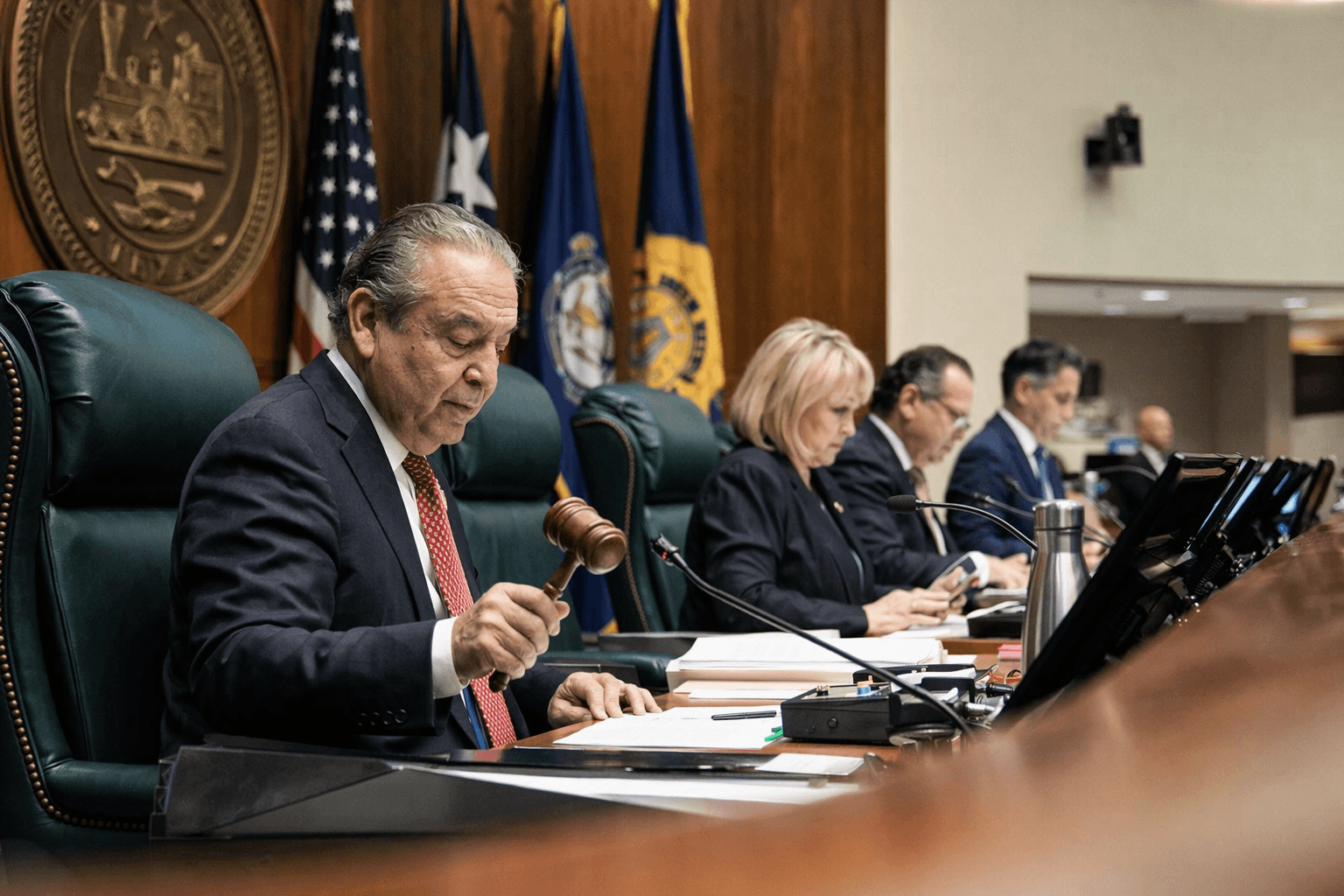
More than $100 million in public-safety funding, including police overtime and money tied to Houston’s 2026 FIFA World Cup preparations, hung on Houston City Council’s decision to revise its immigration ordinance and accept the state’s terms.
Council approved the amended measure 13-4 on April 22, and it took effect immediately as an emergency ordinance. The change was designed to resolve the clash with Austin, where Gov. Greg Abbott’s office had threatened to revoke about $114 million in public safety grants unless Houston reversed the original policy. The mayor’s office said the state had already withdrawn $110 million on April 13, and Texas Attorney General Ken Paxton also filed suit.
The revised ordinance narrowed the fight rather than ending it. It formally defined ICE administrative warrants, said the city could not prohibit or materially limit cooperation with U.S. Immigration and Customs Enforcement when Texas law or an agreement required it, and clarified that officers may detain someone for the duration of a lawful stop and for other legitimate purposes discovered during that stop. City Attorney Arturo Michel said the measure still required compliance with the Fourth Amendment and that a person could be detained only for the time needed to conduct the state-law criminal investigation. The rewrite also eliminated the old 30-minute waiting rule for ICE response and said a routine stop ends when the lawful reason for the stop ends.

Whitmire and his allies cast the revision as a pragmatic financial move to protect city services. Whitmire said Houston faced a “crisis situation” that threatened police overtime and planning for the World Cup. Supporters argued the city could not afford to lose the grants while still trying to keep patrol staffing, traffic enforcement and other public-safety operations intact. The issue was not abstract: the money on the line was tied to officers on the street, not just to a budget line in City Hall.
The vote still drew sharp resistance. Councilmembers Edward Pollard, Abbie Kamin, Alejandra Salinas and Tiffany Thomas voted no, signaling that the compromise did not settle the policy or civil-rights dispute. Civil-rights attorneys, including David Donatti of the ACLU of Texas, argued that Houston’s ordinance did not block cooperation with federal immigration authorities and that the state’s response amounted to punishing the city over a policy disagreement.
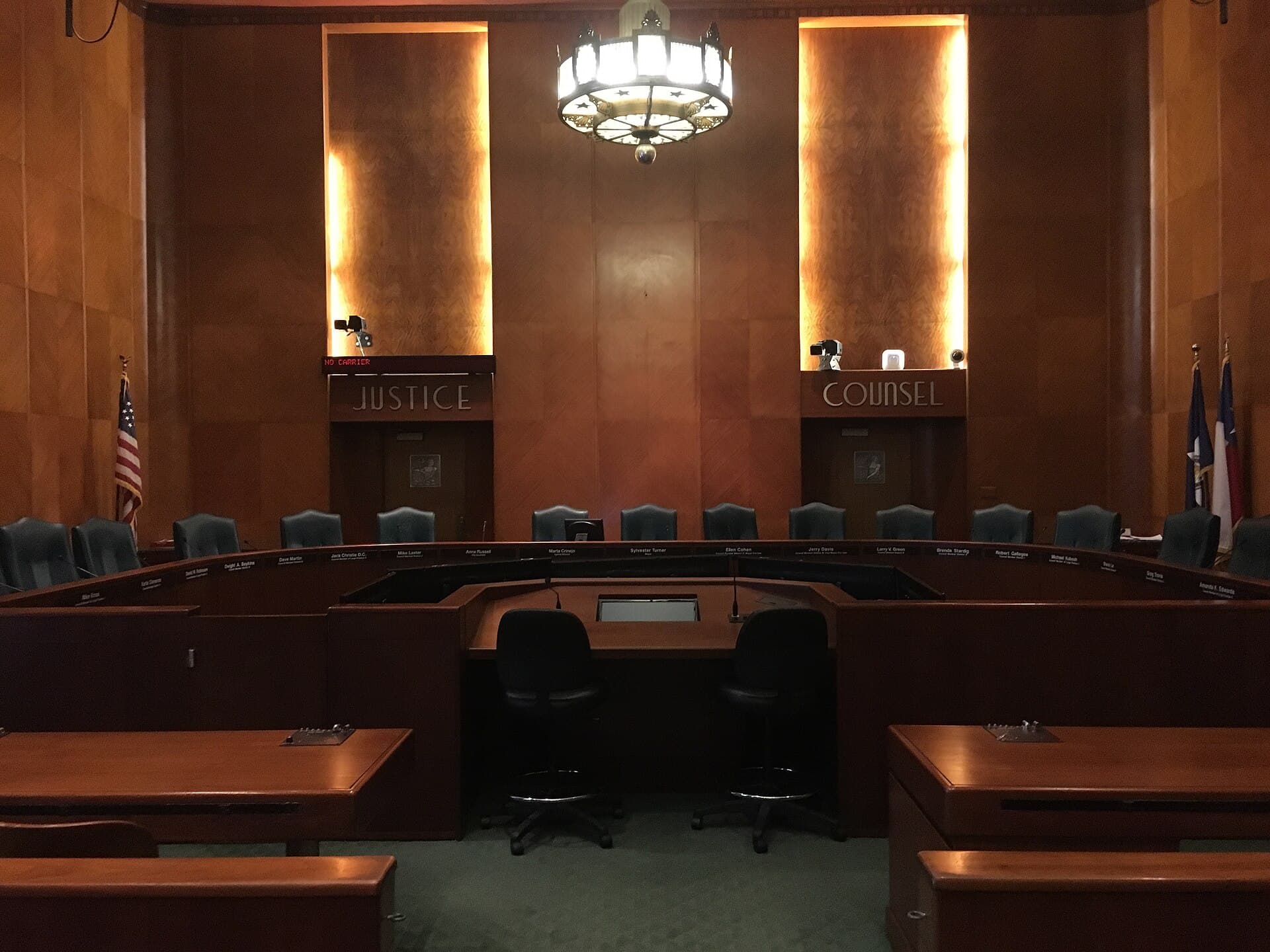
The broader record shows why the issue became so combustible. Houston Public Media reported that HPD had called ICE more than 150 times since the start of President Donald Trump’s second term, and that officers were instructed on March 14, 2025, to call ICE when they encountered an administrative warrant. ICE had added more than 700,000 administrative warrants to a national database early in Trump’s second term. For Houston, the ordinance was never only about immigration enforcement. It was about whether the city could keep state money flowing while preserving the police operations residents rely on every day.
This article was produced by Prism’s automated news system from verified source data, official records, and press releases, then run through automated quality and moderation checks before publishing. The system is built and supervised by the people who set the standards it runs under. Read our full AI policy.
Did this article answer your question?