Houston employers build in-house training to fill HVAC jobs
Daikin sought 400 workers in Waller while building its own HVAC training pipeline, offering production pay from $14.66 an hour and day-one benefits.

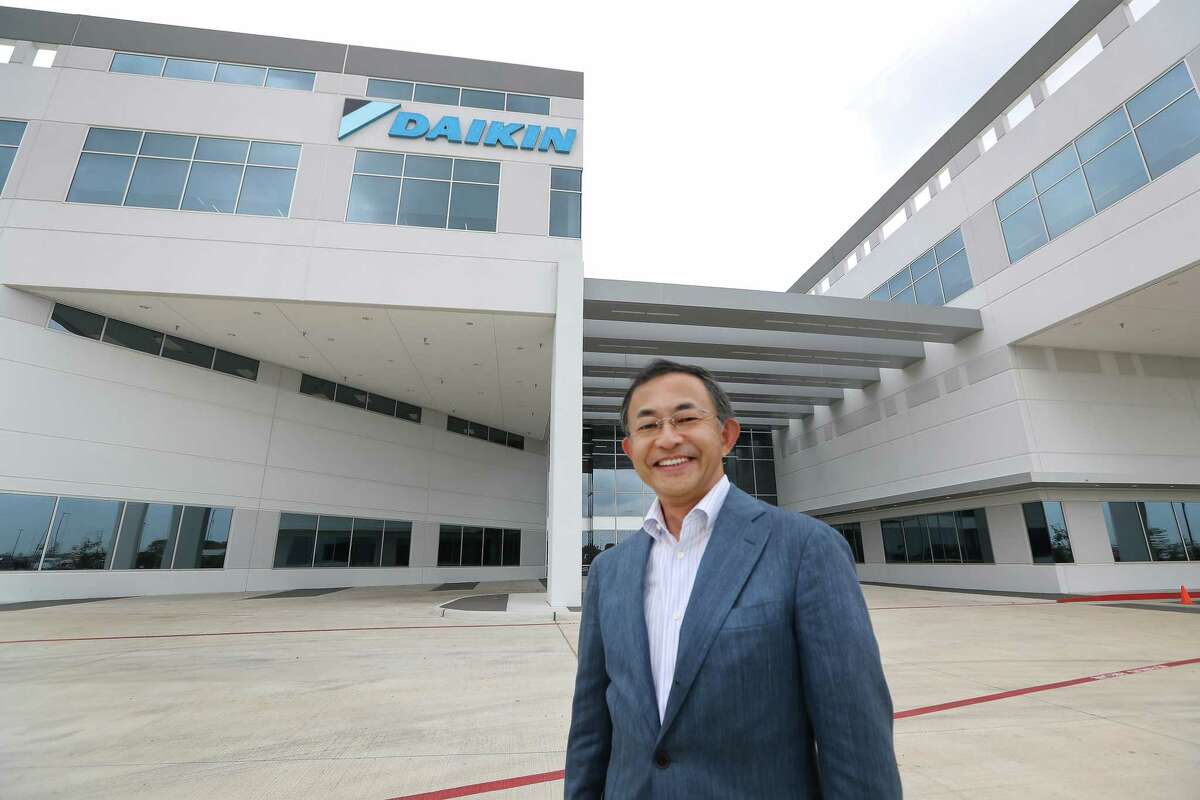
Daikin’s Waller campus spent Friday trying to solve two problems at once: fill 400 jobs and train the next generation of HVAC workers inside the company. Production team members were set to start at $14.66 an hour, with benefits beginning on day one, as the manufacturer pushed to hire around its facility off Highway 290.
The pitch reflects a labor market that has been tightening around skilled trades. The U.S. Bureau of Labor Statistics projects employment of heating, air conditioning and refrigeration mechanics and installers will grow 8% from 2024 to 2034, faster than average, with 40,100 annual job openings nationally over that decade. The occupation’s median annual wage was $59,810 in May 2024, a reminder that HVAC work can lead to steadier pay than many entry-level jobs, even if workers have to climb there one step at a time.

In northwest Harris County and Waller, Daikin has responded by building its own training pipeline. Juliet Stipeche, the executive director of Workforce Solutions, said community colleges and technical schools still matter, but companies have started adding their own programs because the shortage is real and the funnel of new workers needs to be wider. Daikin Texas Technology Park, just outside Houston, says it consolidates manufacturing, engineering, logistics, marketing and sales for Goodman, Amana and Daikin brand products in one place.
That employer-built model lowers the barrier for people who do not already have trade experience. Kristi Pittman said Daikin was willing to hire workers with little to no experience and teach them the trade, as long as they brought the right work ethic and consistency. For workers trying to move up without a four-year degree, that matters in a region where transportation, rent and child care can make long training programs hard to sustain.
Daikin also pointed to its own employees as proof the model can work. Kevin Guerra said the courses helped him move from entry-level worker to trainer. Damian Castillo became a training manager after starting in manufacturing. Those paths show why in-house instruction is attractive to employers and workers alike: it can speed hiring, keep talent local and create a route to better pay without forcing every applicant through a traditional college track.
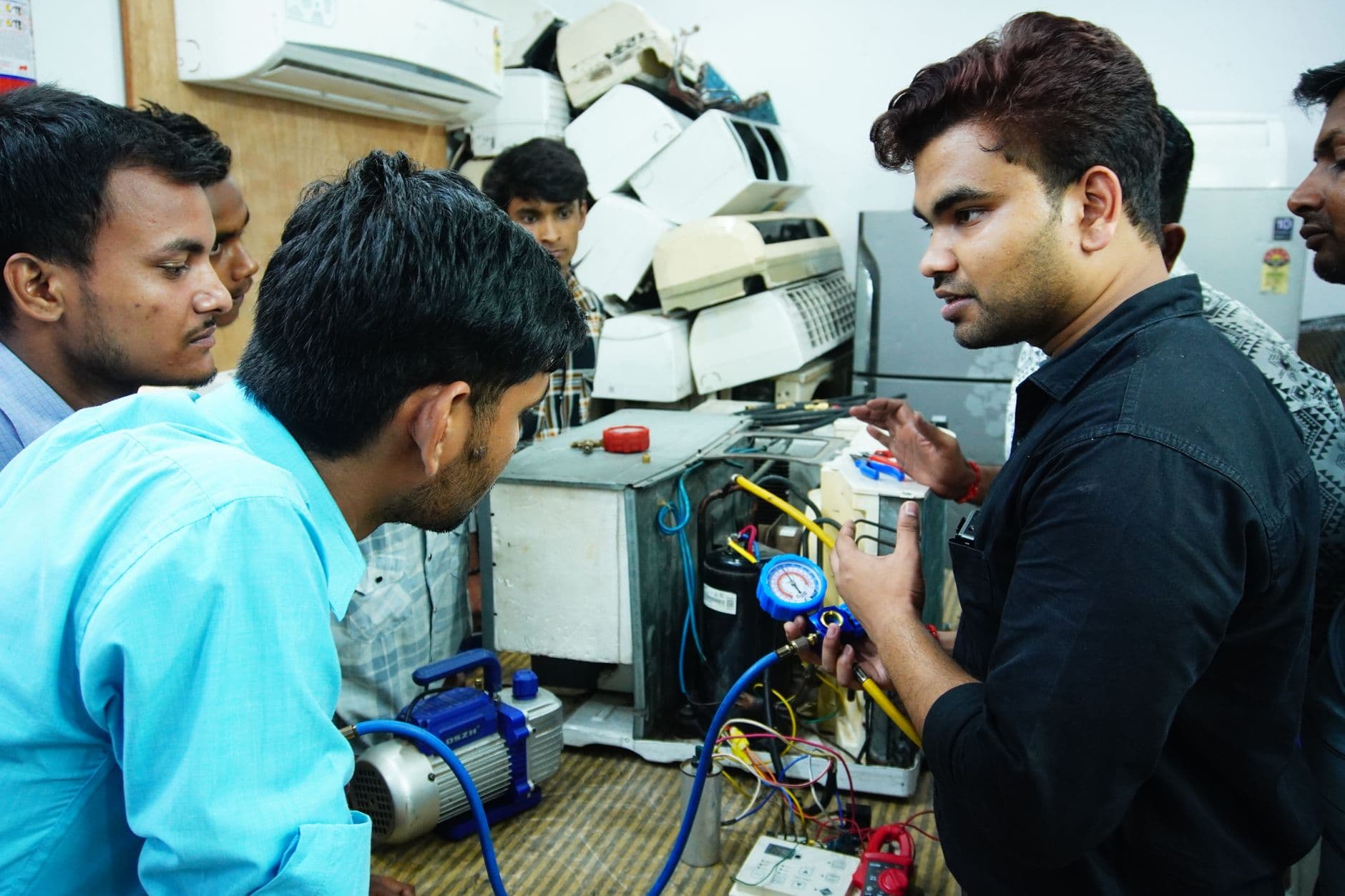
The broader ecosystem in Houston is moving in the same direction. Workforce Solutions Gulf Coast publishes monthly Houston Area Employment Situation reports for the 13-county region using Texas Workforce Commission and federal labor data, while Lone Star College says its Construction & Skilled Trades Technology Center is designed to train workers for Houston’s construction industry, including HVAC. For Harris County, the question is no longer whether demand exists. It is who gets access to the fastest route into it, and whether employers are building opportunity as well as filling their own labor gaps.
This article was produced by Prism’s automated news system from verified source data, official records, and press releases, then run through automated quality and moderation checks before publishing. The system is built and supervised by the people who set the standards it runs under. Read our full AI policy.
Did this article answer your question?