Houston housing waitlist lottery opens for first time in three years
More than 6,000 people applied in the first 24 hours as Housing Alliance HTX reopened waitlists for eight Houston public housing sites, including two senior communities.

Housing Alliance HTX reopened waitlists for eight Houston public housing properties on June 22, and more than 6,000 applications arrived in the first 24 hours. The application window runs through July 6, giving eligible residents a brief chance to enter a process that had been closed to most applicants for nearly three years.
Housing Alliance HTX, the agency formerly known as the Houston Housing Authority, reopened waitlists for Kelly Village, Lincoln Park, Long Drive, Oxford Place, Independence Heights and Irvington Village, plus Bellerive and Lyerly for residents age 62 and older. Applicants may choose up to three properties, but the selection process is not first-come, first-served. After the window closes, the agency will run a randomized lottery so someone who applies on June 22 has the same chance as someone who waits until July 6.
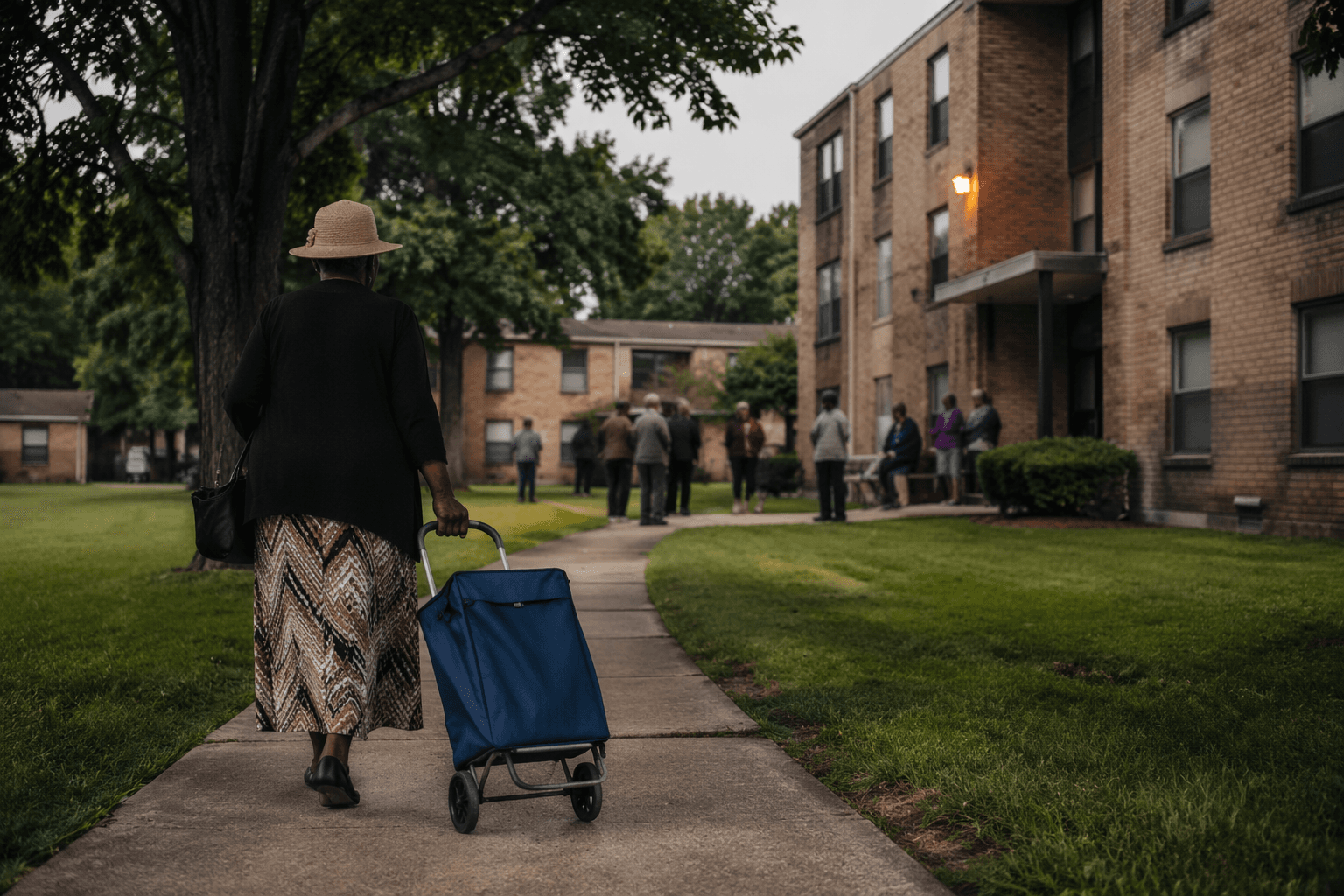
The lottery applies only to these public housing waitlists. The Housing Choice Voucher program, commonly known as Section 8, remains closed to new applicants. About 2,500 people already on the voucher waitlist may opt into the public housing lists by submitting a consent form, and those applicants will be placed by the date and time their forms are received rather than by lottery.
About 8,000 families are already on the waitlist, with roughly 8,000 to 9,000 spots available to be filled. Selected applicants are expected to be notified in late July. Applicants should create a RentCafe account before applying so they can work out technical problems ahead of time.
Kinder Institute for Urban Research data shows more than 160,000 families in Houston are experiencing poverty, while more than 1 million households in Greater Houston are ALICE or below the federal poverty level. In Harris County, 32% of households fall into the ALICE category, and more than 725,000 area households earn above poverty but still cannot cover basic needs such as housing, health care and food.
This article was produced by Prism’s automated news system from verified source data, official records, and press releases, then run through automated quality and moderation checks before publishing. The system is built and supervised by the people who set the standards it runs under. Read our full AI policy.
Know something we missed? Have a correction or additional information?
Submit a Tip