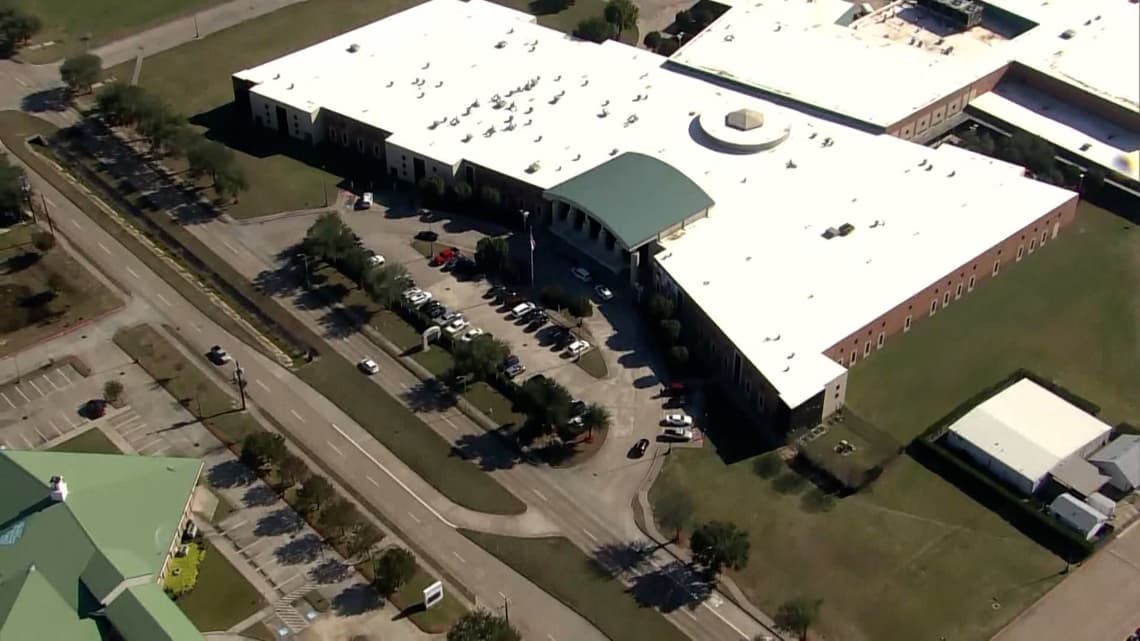
Houston ISD plans special education overhaul for 5,000 students
About 5,000 HISD students could move into smaller special education classrooms, but some parents fear the new placements will disrupt routines and support.

A child who depends on the same adults, the same hallway and the same campus each morning may soon face a different school altogether. Houston ISD said its new special education model, set for the 2026-27 school year, could affect about 5,000 students in self-contained settings as the district caps new classrooms at 15 students, limits them to five students per adult and tries to keep 95 percent of classes to no more than two grade levels in one room.
The overhaul applies to students whose individualized education program calls for a self-contained setting, including ECSE, Skills for Living and Learning, Structured Learning Classroom-Alternate, Structured Learning Classroom-Standard and Behavior Support Class programs. HISD said specialized self-contained programs already operate at 150 sites across the district, but the redesigned model will be available at roughly 60 percent of campuses, which means some students will be moved to new schools as the programs are reorganized.
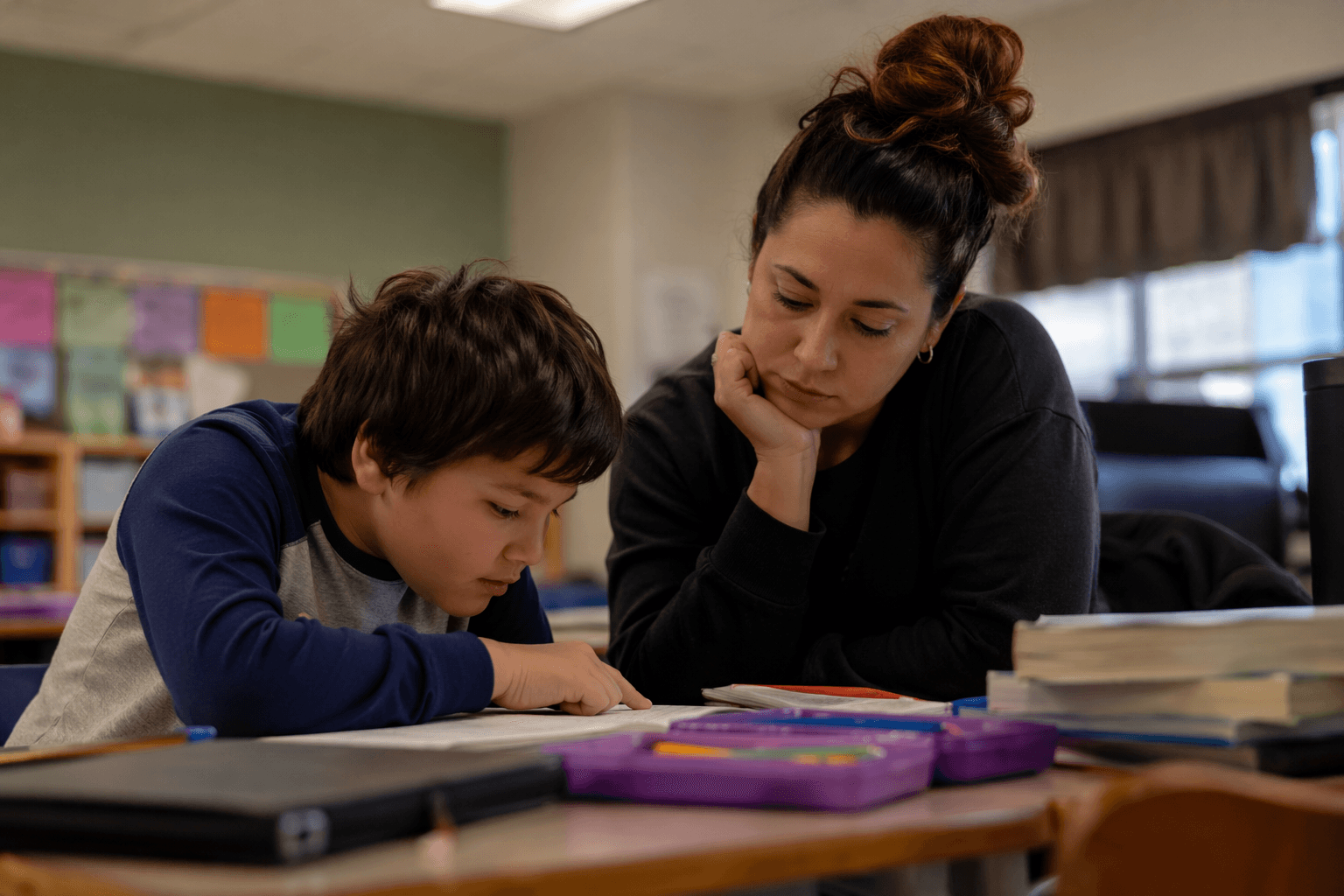
District leaders said the change is meant to fix a classroom structure they believe has become too stretched to serve students well. In the 2025-26 school year, HISD said 65 percent of teachers in self-contained special education classrooms were serving students across three or more grade levels in one room. The district said smaller classes, narrower age ranges, more adults and specialized staff training should make instruction more tailored, and it said the model includes preteach classes so students can get extra instruction before lessons begin.
For families, the central question is not just whether the model is better on paper, but whether it will preserve the support systems children already rely on. At the May 14 board of managers meeting, Kristen McClintock Garson said her 8-year-old son Ellis is autistic and that his neighborhood special education program would no longer be offered at his school. Margaret Alvarez, whose 11-year-old son Knox is autistic, said the changes felt like an eviction from her child’s support system. Parents have said children with autism often depend on routine, familiar classmates and trusted staff, and a new campus can be as disruptive as a new program.
The district’s plan drew outside scrutiny as well. On May 8, the U.S. Department of Education’s Office for Civil Rights opened a disability-discrimination investigation into HISD to examine whether the district’s planned changes violate Section 504 of the Rehabilitation Act and Title II of the Americans with Disabilities Act. The review followed concerns that students in self-contained classrooms could be reassigned to different campuses and separated from classmates.
At a May 9 special education resource fair in Midtown Houston with Partners Resource Network, former HISD parent Elizabeth Ortega said the proposal looked more like segregation than inclusion, while advocate Jane Friou argued that broad changes and mailed notices were not enough for a process that should be built around individual children. HISD has said the new model does not change a student’s IEP and that families who may be affected will be contacted, offered campus visits and given transportation support when needed. The district serves students ages 3 to 21, but the real test will be whether this redesign makes special education feel more stable for children whose school day depends on trust, routine and continuity.
This article was produced by Prism’s automated news system from verified source data, official records, and press releases, then run through automated quality and moderation checks before publishing. The system is built and supervised by the people who set the standards it runs under. Read our full AI policy.
Did this article answer your question?