Houston Water and Sewer Rates Rise Again, Up 66% Since 2021
Houston households now pay 78% more for water than in 2021, adding up to $21 more per month, driven by a federal consent decree over thousands of sewage spills.
What cost the average Houston single-family household $27 a month for 3,000 gallons of combined water and sewer service in 2021 climbed to roughly $48 by April 2026, a 78% increase rooted in federal court orders, a decade of deferred pipe replacements, and a billing system the city is still working to repair.
The most recent step in that climb, a 7.87% average increase that took effect April 1, 2025, was the fifth consecutive annual hike since Houston City Council voted in June 2021 to automatically raise water and sewer rates each April through 2026. The increase carried two components: a 1.37% inflation adjustment and a 6.5% hike tied to the city's five-year rate plan. In practical terms, a customer paying $40 a month before April 2025 absorbed roughly $3.15 more under the average increase, though Houston Public Works cautioned that the impact varies by household. "This does not mean all customers are receiving a 6% increase on their bill," the department noted.
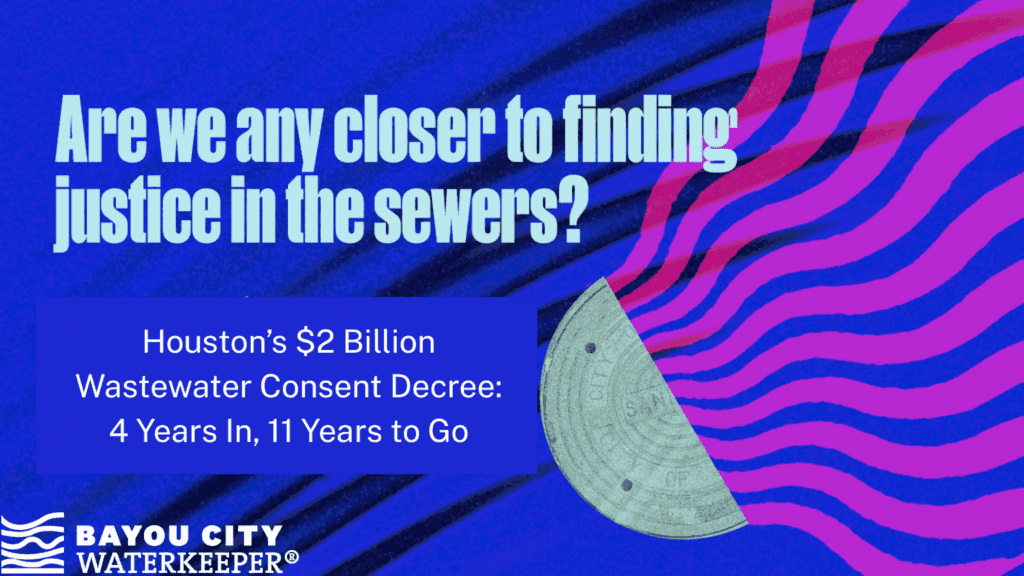
The rate plan's origin is a federal courtroom. On April 1, 2021, the U.S. District Court for the Southern District of Texas approved a consent decree between Houston, the EPA, and the State of Texas after years of sewage spills violated the federal Clean Water Act. The city simultaneously paid a $4.4 million civil penalty, split equally between the federal government and Texas. Environmental watchdog Bayou City Waterkeeper has tracked more than 9,300 sewage overflows since 2018; more than 6 million gallons of raw sewage have spilled into Houston waterways since January 2021 alone. Five years of rate increases are projected to raise roughly $2 billion, to be spent over the next 15 years on sewer upgrades. The full tab for wastewater improvements under the consent decree reaches $9 billion.
The scale of what needs fixing is staggering. Houston's sewer system spans more than 6,000 miles of mains, 390 lift stations, and 39 treatment plants serving roughly 2 million people. Randy Macchi, appointed November 20, 2024, as Houston Public Works director and the first non-engineer to hold that role, was direct about the maintenance deficit. "We haven't done an adequate job of replacing percentages of our infrastructure each year," Macchi said. "Most times, it's recommended that you replace at least three percent of all of your pipeline per year. We haven't done 3% in 10 years."
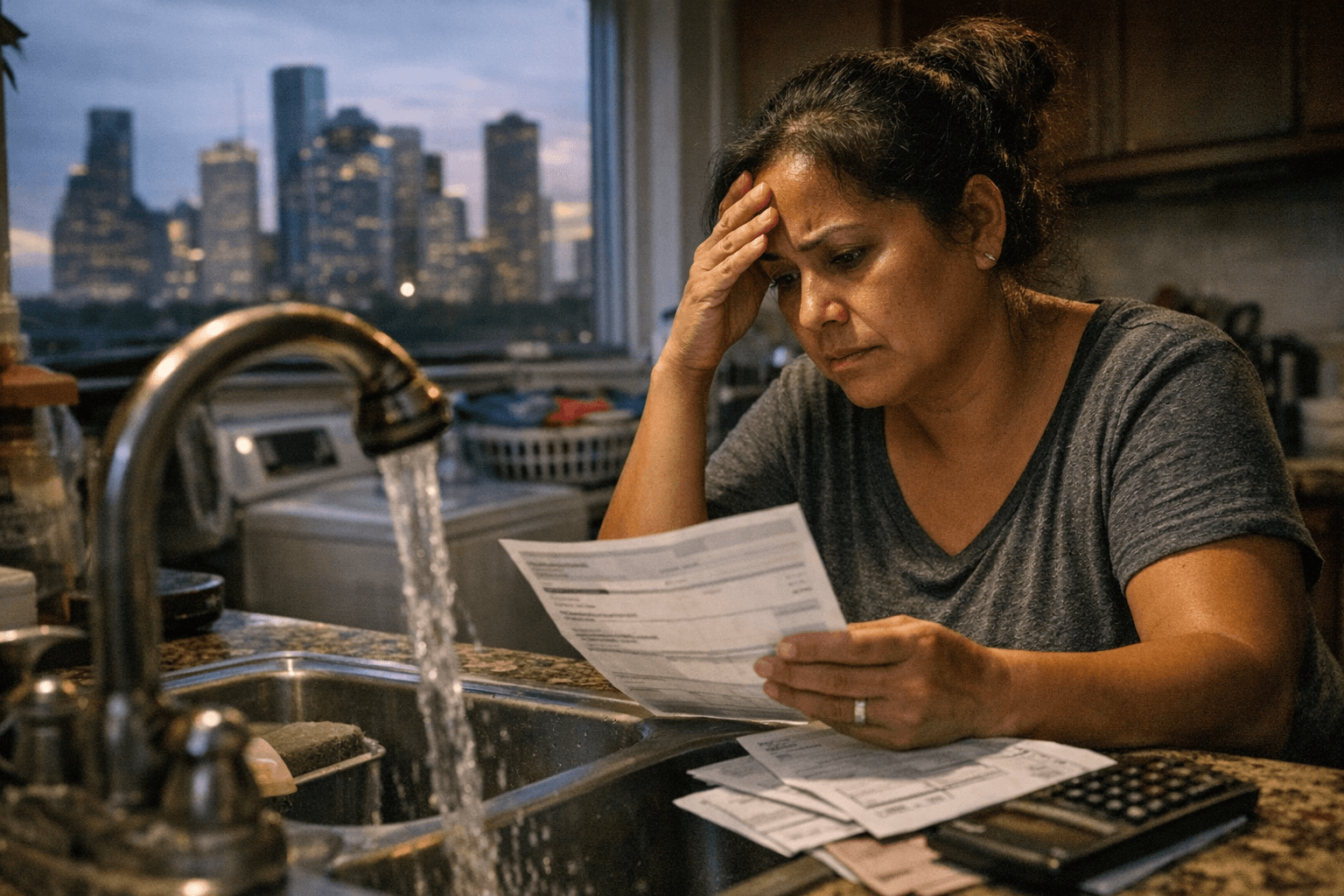
Not all council members accepted that trajectory without pushback. Council member Sallie Alcorn challenged Finance Director Melissa Dubowski after figures emerged showing the city's water and sewer system generated $46.3 million in extra revenue beyond projections. "We're taking in way more money in the water/sewer system, and we're spending less," Alcorn said. "We seem to be coming in ahead every time, which concerns me because people's water bills are high." City Controller Chris Hollins attributed the surplus largely to higher water consumption during drought conditions. Mayor John Whitmire pledged to address the matter with council members and department heads. Meanwhile, some customers have seen individual bills spike well beyond any rate plan rate, tied to persistent problems with the city's billing and metering system.
The burden falls hardest on lower-income households, where water costs consume a disproportionate share of household budgets. Customers struggling to pay can call Houston Water at 713-371-1400 to apply for an interest-free payment agreement. The W.A.T.E.R. Fund, short for Water Aid to Elderly Residents, provides up to $100 within a six-month period for qualifying low-income seniors, disabled residents, and other low-income customers.
The current rate schedule runs through April 2026, but relief is not on the horizon. In May 2025, council approved an $800,000 contract with Raftelis Financial Consultants to study what comes next. Houston Public Works has signaled it expects roughly a 6% increase in the following year, with additional hikes anticipated over five to ten years to fund a projected $4.2 billion overhaul of the East Water Purification Plant, which supplies water to approximately 1.9 million area residents. The plant's decades-old facilities, Houston Public Works warned, are on the verge of failure.
This article was produced by Prism’s automated news system from verified source data, official records, and press releases, then run through automated quality and moderation checks before publishing. The system is built and supervised by the people who set the standards it runs under. Read our full AI policy.
Did this article answer your question?