Houston's flood fund demolitions show mixed results on illegal dumping
Houston tore down flood-linked blight to stop dumping, but one Fifth Ward ditch filled back up while other East Side blocks stayed cleaner.

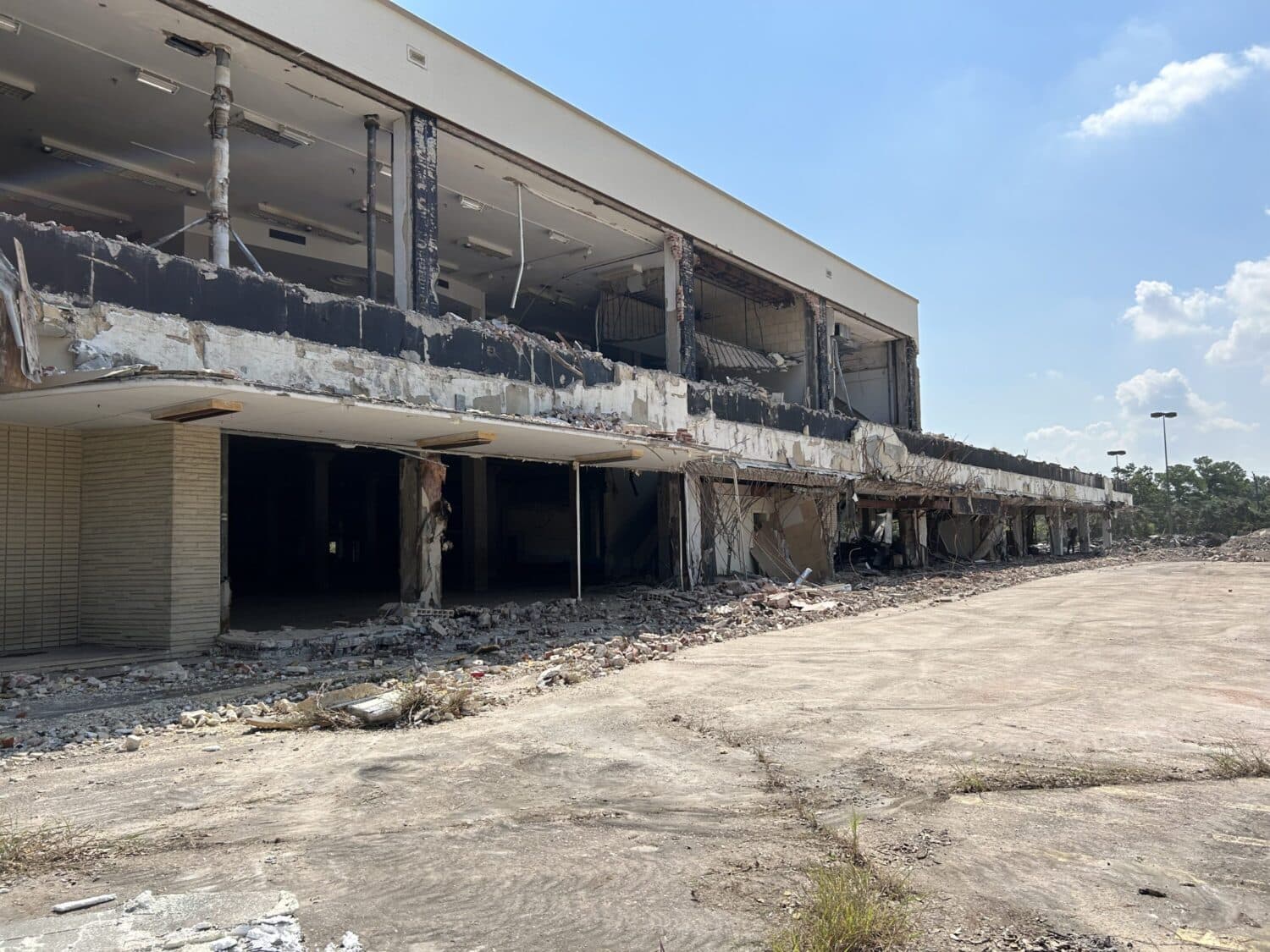
On Kashmere Street in Fifth Ward, the vacant house across from Anita Gomez is gone, but the trash problem is not. A month after Houston began using stormwater money to tear down abandoned buildings, the ditch by her block was again stuffed with a couch, a desk and bags of clothes, a direct test of City Hall’s promise that demolition would improve drainage and stop illegal dumping.
A block-by-block checkup on the East Side
The clearest sign that the strategy has mixed results came from the same block where the trouble was most visible before the bulldozers arrived. Gomez said the house had become a magnet for break-ins, people sleeping inside, vandalism and garbage, yet the clearing of the lot did not keep the ditch from becoming a dump site again. The cleanup paused the problem for a while, but it did not end it.
Other East Side locations told a different story. On Genova Street, Caplin Street and Nettleton Street, the conditions looked cleaner after the demolitions and showed fewer signs of repeat dumping. One resident said crews used to get calls to 311 every time trash was left near an abandoned property, but after the demolition she had not needed to call again.
How Houston put stormwater money behind the bulldozers
Houston City Council approved the demolition program on Jan. 7, 2026, in a 9-7 vote after a three-week delay and a public dispute between Mayor John Whitmire and Controller Chris Hollins. The plan tapped $30 million from the city’s stormwater fund to remove abandoned and dangerous buildings. More than 2,000 properties were under review and about 343 had already been approved at the time.
Houston Public Works told council there were more than 2,300 blighted buildings in line for demolition citywide. Only an unclear number of those structures are near stormwater infrastructure such as open ditches or drainage pipes, which is the key line City Hall is using to defend the spending.
Randy Macchi, the Houston Public Works director, said the department is developing a flow chart to decide whether a direct connection exists between a blighted building and a stormwater obstruction.
Why the legal fight is not going away
The politics of the program are tied to a narrower legal question: whether restricted stormwater money can be spent on demolitions at all. Hollins has said the issue is not whether the properties are a problem, but whether the city is legally allowed to use the money that way, while Whitmire has framed the criticism as political. The city’s 2025 settlement of a drainage-related lawsuit sharpened those concerns and gave opponents another reason to challenge the plan.
The dumping problem is bigger than the demolished houses
The East Side blocks are part of a wider dumping problem that falls hardest on minority neighborhoods. In 311 data, 92 percent of illegal dumping calls came from zip codes where the majority of residents are minorities. Of 13,566 illegal-dumping complaints since 2020, 90 percent were in minority neighborhoods.
The Department of Justice stopped monitoring illegal dumping in Houston after a 2022 investigation, leaving communities to press the issue without that federal oversight. In neighborhoods where dumping has long been common, tearing down one abandoned structure may remove an attractor, but it does not necessarily stop people from using the same ditch or corner as a drop site.
Cameras, inspectors and billboards are supposed to do the rest
Houston’s enforcement response has expanded alongside the demolitions. One illegal-dumping program ran out of federal money, but another increased inspections from about 240 a year to 550 and used $1.64 million for six inspectors and 120 cameras. The expanded effort needs about $700,000 a year to keep operating.
The city is also trying public pressure. In April, Mayor Pro Tem Martha Castex-Tatum announced billboards in parts of the city warning dumpers they could be caught on cameras and prosecuted. The billboard campaign used council district service funds, cost $1,300 to print the screens and was backed by donated ad space from outdoor-media companies, with a planned six-month run.
More than 2,000 trash dumping or illegal dumpsite cases were recorded in the prior three months. Proposed budget amendments would add $3 million to help mitigate illegal dumping.
Why demolition looked faster than Houston’s usual building process
Houston has long struggled with abandoned structures. In November 2024, the city had more than 170 dangerous buildings, and getting them secured or demolished can take inspections, violations, hearings and multiple departments.
On some blocks, the removal of the building reduced the mess and the calls to 311. On Kashmere Street, the ditch filled back up.
This article was produced by Prism’s automated news system from verified source data, official records, and press releases, then run through automated quality and moderation checks before publishing. The system is built and supervised by the people who set the standards it runs under. Read our full AI policy.
Know something we missed? Have a correction or additional information?
Submit a Tip