How Harris County drivers lose time and what reduces traffic pain
Learn which Harris County corridors top the state congestion list, what delays cost drivers and the projects easing backups. Find practical steps and where to see interactive maps.
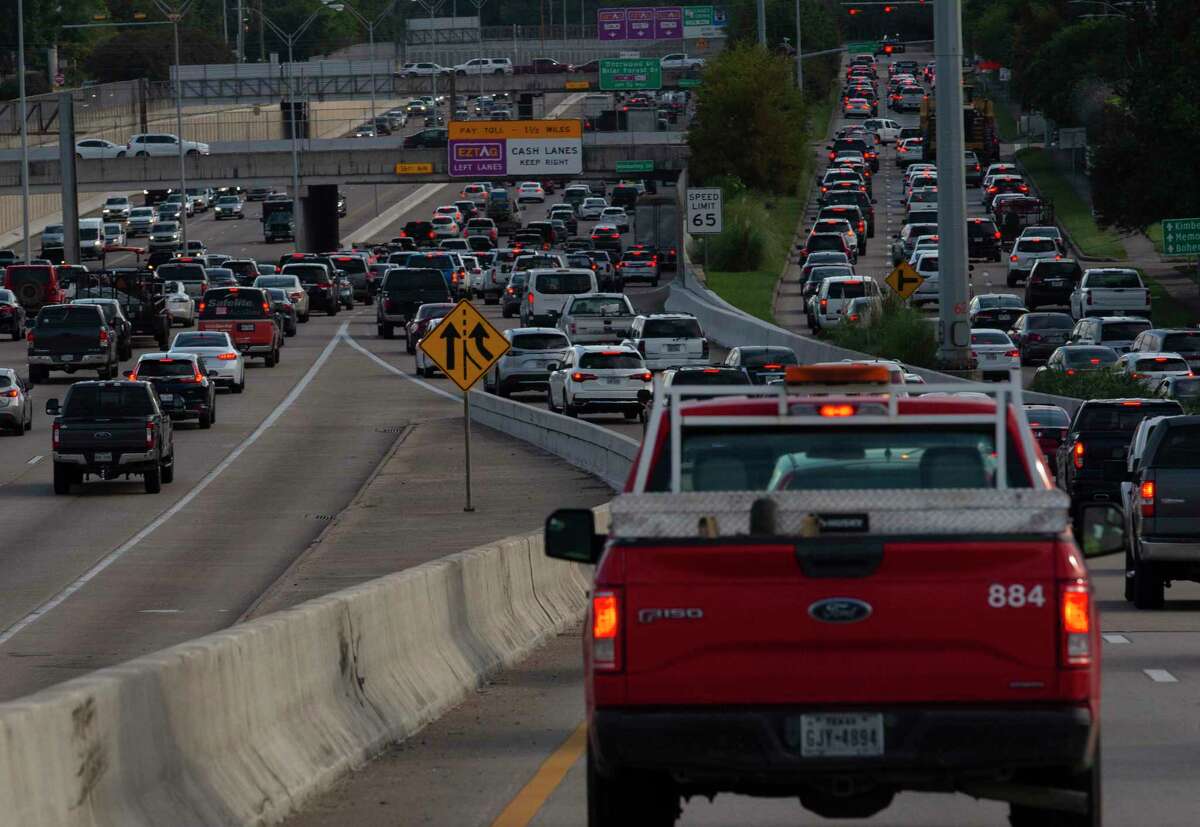
1. The worst segment: West Loop between Katy and Southwest freeways
The Houston area’s West Loop, Loop 610 between the Katy Freeway and the Southwest Freeway, is the most congested stretch in the state for 2024. For local commuters this is where the daily crawl is most acute, shaving hours off personal time, delaying commutes and complicating trips to work, school and the Port of Houston. Expect this corridor to be a focal point for traffic mitigation funding and lane management efforts because of its outsized impact on regional mobility.
2. What “hours of delay” means for Harris County drivers
Hours of delay quantify the extra time drivers spend in traffic compared with free flowing conditions; they are a blunt measure of lost time for commuters and freight alike. In Harris County those hours translate into missed family time, reduced worker productivity and longer trips for emergency services in congested neighborhoods. Understanding the metric helps residents judge whether a project or lane change is delivering real relief versus cosmetic improvements.
3. Congestion costs: pocketbook and economic effects
Congestion costs combine value of time lost, vehicle operating costs and delays to commerce, and they hit households and businesses differently. For families they show up as higher commuting costs and more wear on vehicles; for the regional economy they raise shipping costs, slow deliveries and can make Houston less competitive for time-sensitive industries. Over the long term repeated congestion increases the cost of living and can push logistics-dependent firms to seek less congested routes or locations.
4. Fuel wasted and environmental consequences
Wasted fuel from stop-and-go traffic raises both household fuel bills and regional emissions, affecting air quality across neighborhoods and complicating compliance with federal clean-air goals. In Harris County, excess idling and low-speed driving on clogged corridors contribute to increased particulate emissions and greenhouse gases, which disproportionally affect communities near freeways. Reducing wasted fuel is therefore both an economic and an environmental priority for public health and climate commitments.
5. How construction and crashes amplify backups
Construction activity and crash incidents are primary short- and medium-term multipliers of congestion, turning routine delays into hours-long backups on major feeders. Work zones narrow lanes and reduce speeds, while crashes often close lanes entirely and trigger cascade effects across the freeway network. For residents, this means planned construction windows and real-time crash alerts should factor into daily travel planning to avoid the worst of the ripple effects.
6. Targeted congestion-relief projects that produced measurable improvements
Targeted projects such as managed lanes, ramp improvements and signal retiming have produced improvements on some Houston-area corridors, showing targeted investment can pay off. Where TxDOT and local partners have focused on chokepoints rather than broad, expensive expansions, travel times and backups have improved for many drivers. Continued monitoring and community input are key to replicating successful projects elsewhere in Harris County.

7. Using the interactive data and maps to plan travel and hold officials accountable
Interactive maps and datasets accompanying the analysis show exactly where drivers lost the most time across the region and let residents compare corridors side-by-side. Use these tools to identify problem segments near your home, school or workplace and to track changes over time as projects come online. • Check peak-delay hotspots near your usual routes • Compare before-and-after snapshots when a project finishes • Use mapped crash clusters to avoid or report trouble spots
8. Local impact on freight, ports and regional commerce
Traffic congestion in Harris County reverberates through national and international supply chains because Houston is a major port and logistics hub. Delays on key corridors increase turnaround times for trucks, raise costs for exporters and importers, and can shift trade flows or scheduling to avoid congestion windows. For businesses that operate on thin margins, even modest increases in travel time can translate into significant competitive disadvantages.
9. Community significance and equity considerations
Traffic burdens are not evenly distributed; neighborhoods bordering heavily congested freeways often face higher noise, pollution and safety risks. Addressing congestion without considering equity risks improving throughput while leaving nearby communities to shoulder disproportionate harms. Local planning should pair traffic relief with mitigation measures, noise barriers, air monitoring, and pedestrian safety upgrades, to protect those who live closest to the busiest roads.
10. Practical steps residents can take right now
Individual and community actions can reduce daily friction and signal demand for change. • Shift travel times where possible to off-peak hours to reduce personal delay • Carpool, vanpool or use park-and-ride options to lower vehicle counts • Use transit for commutes when reliable routes exist • Report recurring crash or congestion hotspots to local officials to prioritize fixes These steps not only ease your commute but also build the usage patterns that justify expanded service or investment.
Closing paragraph Traffic in Harris County is a technical problem with social and economic consequences; the good news is that data-driven, targeted fixes and everyday travel choices can make a material difference. Use the interactive maps to see where the worst delays hit your routes, pick one practical change to your commute this week, and stay engaged with county and TxDOT planning, your time and your neighborhood’s air quality depend on it.
Know something we missed? Have a correction or additional information?
Submit a Tip

