How to Reach Harris County 311, Clerk, Property Tax, Courts and Elections
Use 311 for non-emergency problems and the county’s centralized offices to get records, pay property taxes, handle court business and confirm voter details, this guide tells you where to start.
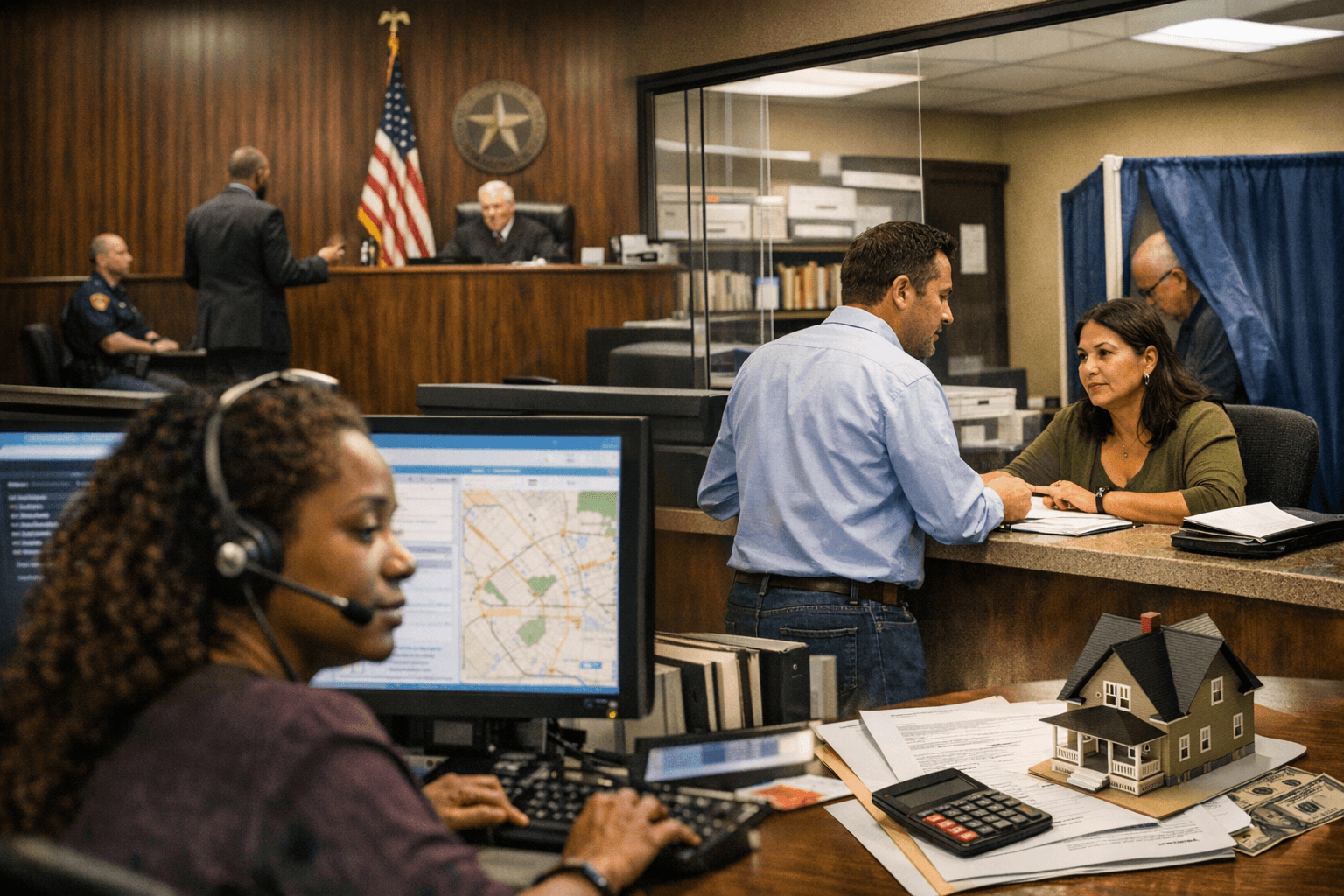
Harris County runs centralized services so residents can report non-emergency problems, access public records and find essential information on taxes, courts and elections. This primer walks through the five core contact points, 311, the county clerk, property tax services, courts and elections, and explains what each office handles and how to approach them efficiently.
1. Harris County 311
Harris County’s 311 service is the centralized point for reporting non-emergency problems, from potholes to non-urgent code enforcement concerns. Dial 311 from inside the county to reach the system that routes requests to the appropriate department and logs a service ticket so you can follow up. Use 311 first for neighborhood issues that don’t need police, fire or ambulance response; the service is designed to keep those calls out of emergency lines while ensuring city and county crews see the problem. When you contact 311, have the location, a brief description of the problem and any nearby landmarks ready so your report generates an actionable ticket.
2. Harris County Clerk
The county clerk is your gateway to public records and many official county services, including filings, public document access and administrative records. The clerk’s office maintains records that matter for homes and businesses, documents you may need for legal matters, property histories or official filings, so contact this office when you need certified copies or to research recorded instruments. For in-person matters, prepare identification and any reference numbers for the documents you need; for routine record requests, check the clerk’s public records options before visiting to save time. The county clerk also provides guidance on how to obtain copies of documents maintained at the clerk’s office so you can complete transactions that require certified records.
3. Property tax (appraisal and tax payments)
Property tax questions are handled through the county’s property tax system, which separates appraisal (value) and tax collection functions but centralizes information for taxpayers. If you need to challenge an appraisal, check the procedures for protest and the appraisal district’s deadlines; if your concern is tax payment or exemptions, contact the county tax office that collects bills and processes exemptions. When preparing to call or visit, have your property account number, parcel ID or legal description available so clerks can pull your file quickly and confirm assessed value, exemptions and payment history. Keep in mind that changes to homestead exemptions or valuation protests have specific submission windows, note those timelines when planning an appeal.
4. Courts (filings, dockets and case questions)
Harris County’s court system is the point of contact for civil, criminal, probate, family and other matters that use public dockets and filings. For a new filing, courthouse schedules, or to find a case docket number, reach the clerk or administrative office tied to the court where the matter belongs; having the party names or case number speeds lookups. Many routine court needs, copies of filings, docket information, and scheduling questions, are handled through the appropriate court clerk rather than judges’ chambers, so begin with the clerk’s office to avoid misdirected inquiries. If a hearing or trial affects day-to-day life (child custody, property disputes, landlord-tenant issues), bring all relevant documents and a clear timeline when you go in so staff can help identify the right file and next steps.
5. Elections (registration, polling places and ballots)
Elections administration provides registration help, polling place locations, early voting schedules and ballot information for county, state and federal elections. Confirm your registration status and polling location well before an election; election offices track precinct assignments and can explain how to request a mail ballot or resolve registration questions. If you need to update your address, check ID requirements or find early voting sites, contact the county election office that administers local voting, they are also the source for deadlines and procedural rules that affect whether you can vote in a particular race. Election administrators can also provide written procedures for emergency voting situations, provisional ballots and post-election inquiries.
- Prepare the right identifiers: property account numbers for tax issues, case or docket numbers for courts, and the exact street address or landmark for 311 reports.
- Use centralized entry points first: 311 for non-emergencies, the county clerk for public records, and the county tax or elections offices for specialized records.
- Time your visits: many offices have peak hours and specific filing deadlines; check hours before you travel to an office.
- Keep documentation: bring IDs and any prior correspondence or reference numbers so staff can match you to records quickly.
Practical tips for contacting county services
What to expect after you contact an office When you file a report through 311 you’ll get a service ticket that can be tracked; when you request public records or file something at the county clerk, expect processing times that vary by document type; property tax inquiries often require account verification before release of information; court-related questions can involve scheduled dockets and formal filings; and election queries are governed by statutory deadlines. Each office operates within legal and administrative frameworks, so clear documentation and knowledge of deadlines, for protests, filings or registration, will be decisive in getting timely outcomes.
Conclusion Harris County centralizes non-emergency reporting, record access and essential civic services to make ordinary transactions and urgent neighborhood fixes navigable; start at the right office, 311 for non-emergencies, the county clerk for records, the tax and appraisal offices for property questions, the court clerks for case business, and the elections office for voting concerns, and bring the small, specific details that let staff act on your request quickly. With the right identifiers and an awareness of deadlines, you’ll resolve most county business without repeated trips.
Know something we missed? Have a correction or additional information?
Submit a Tip

