IAH Installs First U.S. Surface Movement Radar to Prevent Runway Incursions
IAH deployed a new surface movement radar to reduce runway incursions, enhancing safety for travelers, airport workers, and cargo operations in Harris County.
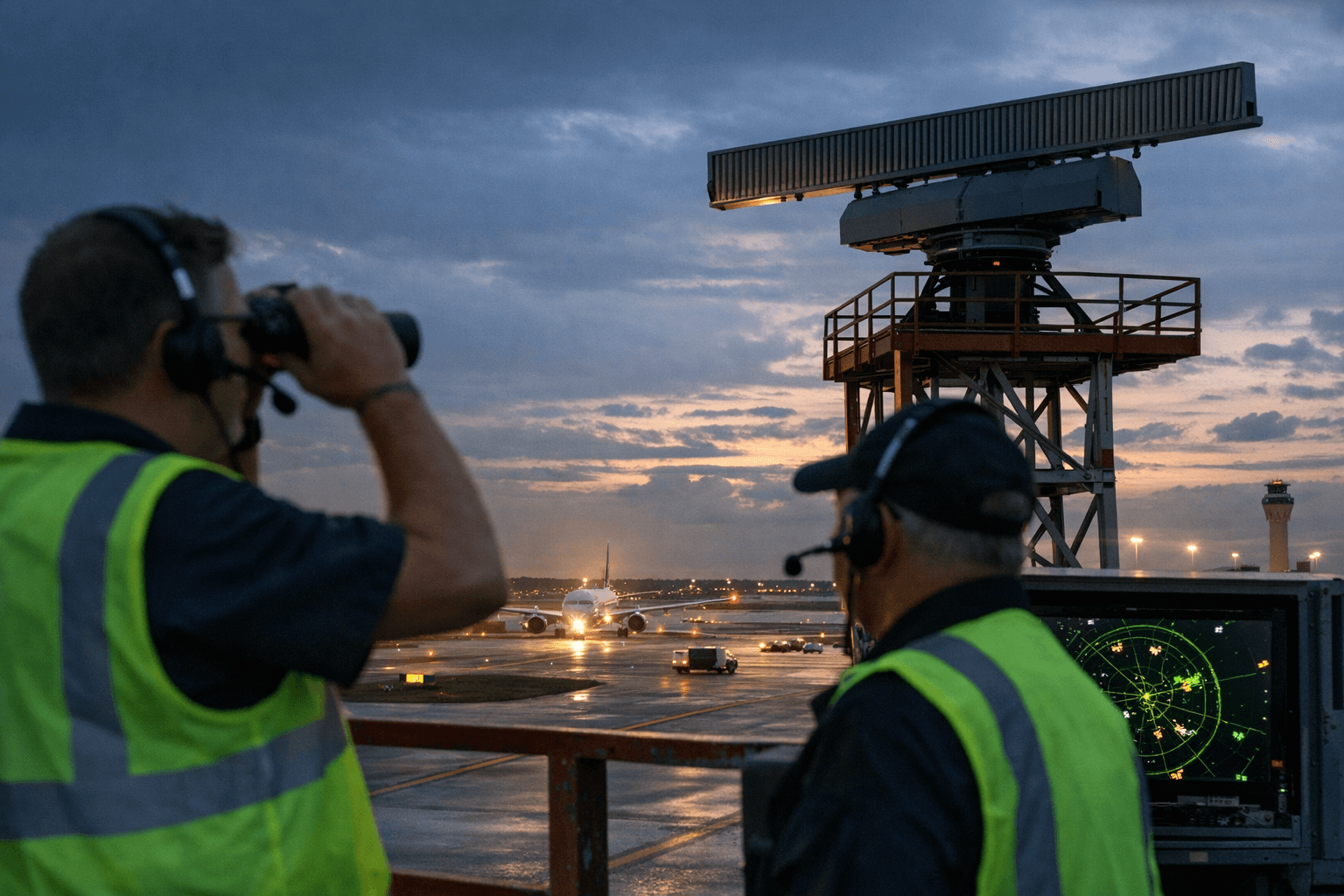
George Bush Intercontinental Airport (IAH) installed a new Surface Movement Radar (SMR) system aimed at reducing runway incursions and preventing collisions on taxiways and runways. The Federal Aviation Administration described this rollout as the first of its specific kind in the United States, and airport officials said the upgrade augments existing surface-detection systems to give air-traffic controllers better situational awareness.
The system went into service on January 21, 2026, after several recent close calls at the airport prompted renewed focus on ground-safety technology. The SMR is designed to monitor aircraft and ground vehicles moving on the airfield, helping controllers track movements in low-visibility conditions and complex traffic patterns. IAH is one of the nation’s busiest international gateways, and the FAA framed the installation as an important safety enhancement for both passenger flights and cargo operations that serve Houston’s energy, manufacturing, and medical sectors.
For Harris County residents the immediate benefit is safety at a hub many use for domestic and international travel. The radar is intended to reduce the likelihood of runway incursions - incidents in which an aircraft, vehicle, or person is mistakenly on a runway - which can endanger passengers and crew and lead to substantial operational disruptions. The technology also supports controllers during busy peak periods and when weather reduces visibility, potentially limiting delays that ripple through schedules affecting local travelers and freight customers.
The installation at IAH sits within a wider national conversation about air-traffic control modernization and safety investments. Policymakers and industry leaders have debated how best to upgrade aging infrastructure while balancing costs and maintaining service levels. The FAA’s characterization of this SMR as the first in the U.S. for this specific technology rollout signals a pilot phase that could inform future deployments at other major airports if the system proves effective.
Operationally, the SMR joins other surface-detection tools at IAH rather than replacing them, creating layered redundancy for ground surveillance. Airport operations teams will monitor performance metrics and coordinate with the FAA to evaluate effectiveness over the coming months. For airport employees who work on ramps and taxiways, enhanced radar coverage may mean clearer alerts and smoother coordination with air-traffic control.
As the system is monitored and data are gathered, Harris County travelers can expect officials to report on safety outcomes and potential next steps. If the technology delivers as intended, the installation at IAH could become a model for reducing runway incursions nationwide while protecting passengers, workers, and the region’s vital air-cargo flows.
This article was produced by Prism’s automated news system from verified source data, official records, and press releases, then run through automated quality and moderation checks before publishing. The system is built and supervised by the people who set the standards it runs under. Read our full AI policy.
Did this article answer your question?