Katy residents battle feral hog invasion as trappers catch 120 plus
Professional trappers have already hauled off more than 120 feral hogs from Katy neighborhoods as the animals keep ripping up lawns and gardens.
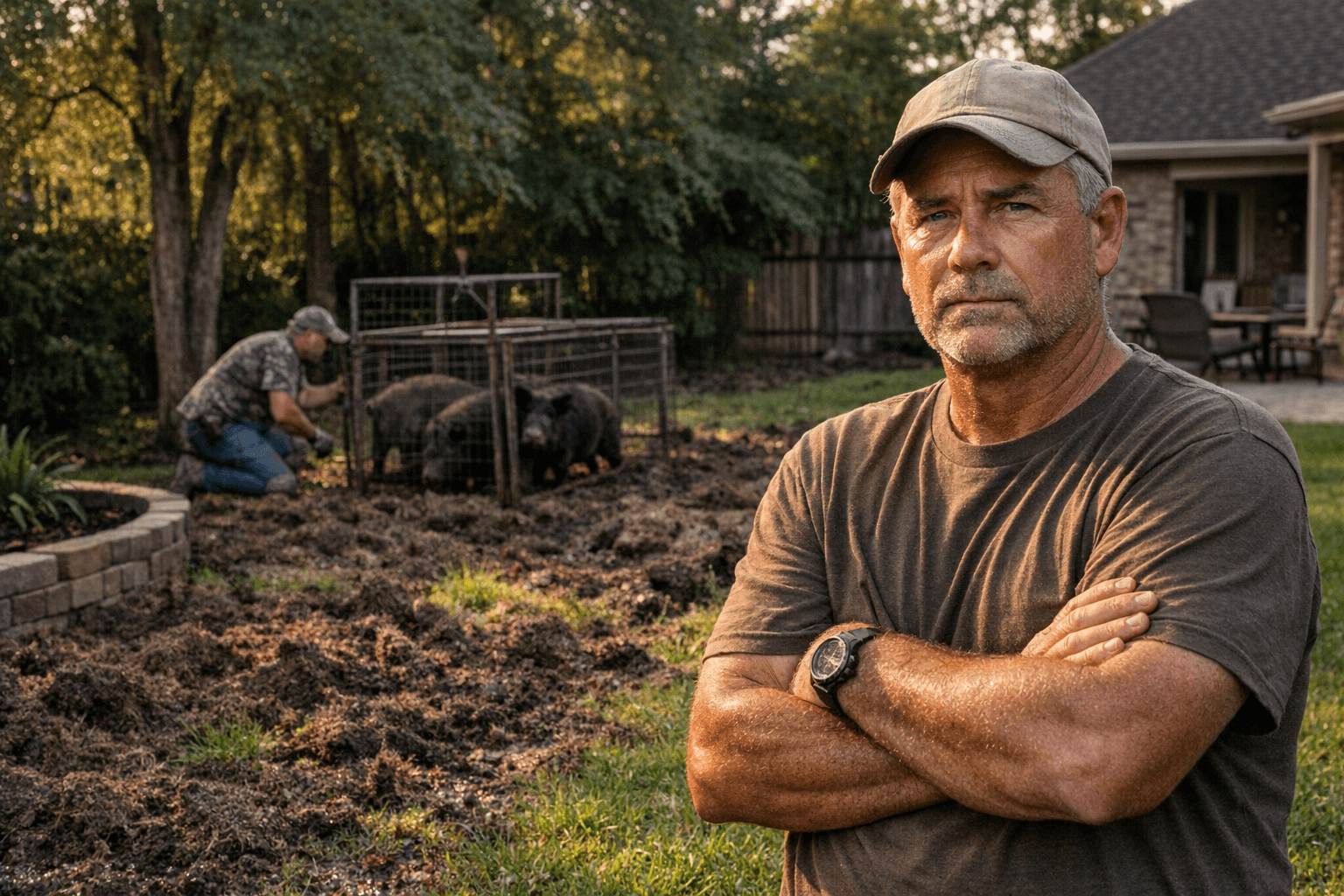
More than 120 feral hogs have been captured in Katy as residents in Cinco Ranch, Cross Creek and nearby West Houston neighborhoods keep finding lawns and gardens torn apart. The fast-moving response has brought some relief, but the scale of the catch shows how deeply the problem has spread into Harris County’s suburban edge.
Professional trappers have been working the area after a surge of destructive hog activity left homeowners with repeated damage and a growing sense that the animals are not leaving on their own. The hogs have been relocated to a Texas farm after capture, a process that turns one neighborhood problem into a managed removal operation rather than a quick fix.
The reason the population can rebound so quickly is built into the species itself. Texas A&M AgriLife says feral hogs have expanded dramatically across Texas because they are highly adaptable, and a Texas A&M publication says females can reach reproductive maturity in 5 to 14 months, can produce up to two litters a year and average 5 to 6 piglets per litter. Another AgriLife training document says sows may breed at 6 to 12 months, come into heat every 18 to 24 days and have multiple litters each year.
That breeding cycle is what makes the cleanup so difficult in places like Katy, where development, open space and drainage corridors sit side by side. Texas A&M says feral hogs now turn up in nearly every Texas county, and the overlap between hog ranges and human communities creates millions of dollars in damage and disease risk. In other words, every damaged yard is part of a much larger pattern.
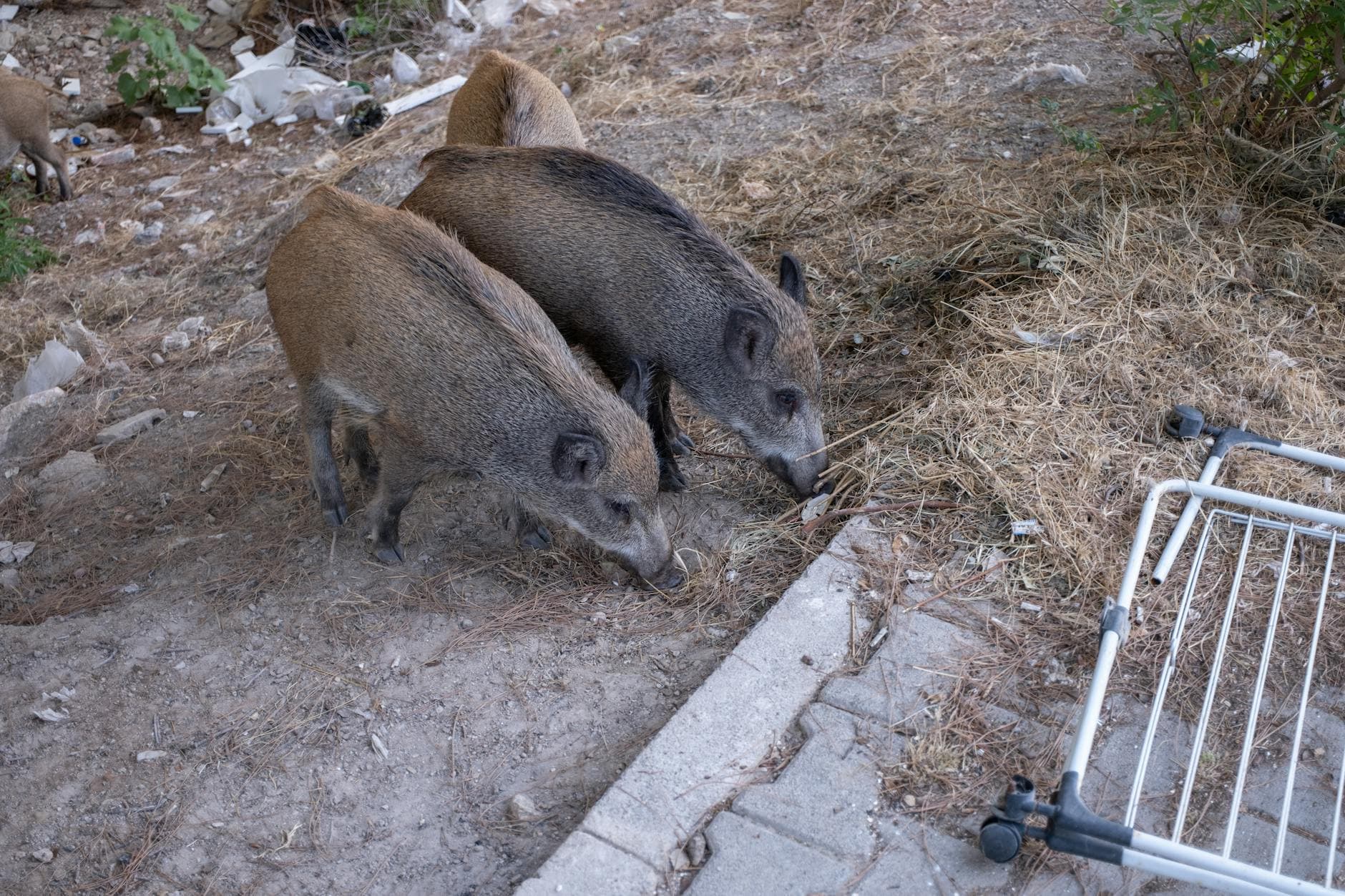
The danger is not limited to landscaping. Texas Department of Agriculture materials say feral hogs can carry swine brucellosis and trichinosis, along with viruses, parasites and bacteria harmful to humans. The agency says the animals are known to carry 30 different diseases and 37 parasites, which makes them a neighborhood safety issue as well as a property nuisance.
Texas officials have been warning about the cost for years. A 2024 Texas Department of Agriculture release said feral hog damage has been a rising concern since 1982 and cited more than $3 billion in crop damage across the U.S. and Texas. Texas A&M also says the transportation of live trapped hogs is regulated by the Texas Animal Health Commission, underscoring that relocation is not a casual answer to a growing suburban invasion.
For Katy homeowners, the immediate cost is visible in the yards they have to reseed, the gardens they have to replant and the sense that the next stretch of warm weather could bring another round of damage. The more hogs move through West Houston, the more this becomes a long-term neighborhood maintenance problem rather than a one-time cleanup.
This article was produced by Prism’s automated news system from verified source data, official records, and press releases, then run through automated quality and moderation checks before publishing. The system is built and supervised by the people who set the standards it runs under. Read our full AI policy.
Did this article answer your question?