Montrose brings Pride colors back after rainbow crosswalk removal
A blacked-over rainbow crosswalk has pushed Montrose to answer with murals and planned banners, turning Pride visibility into a fight over streets, rules and identity.
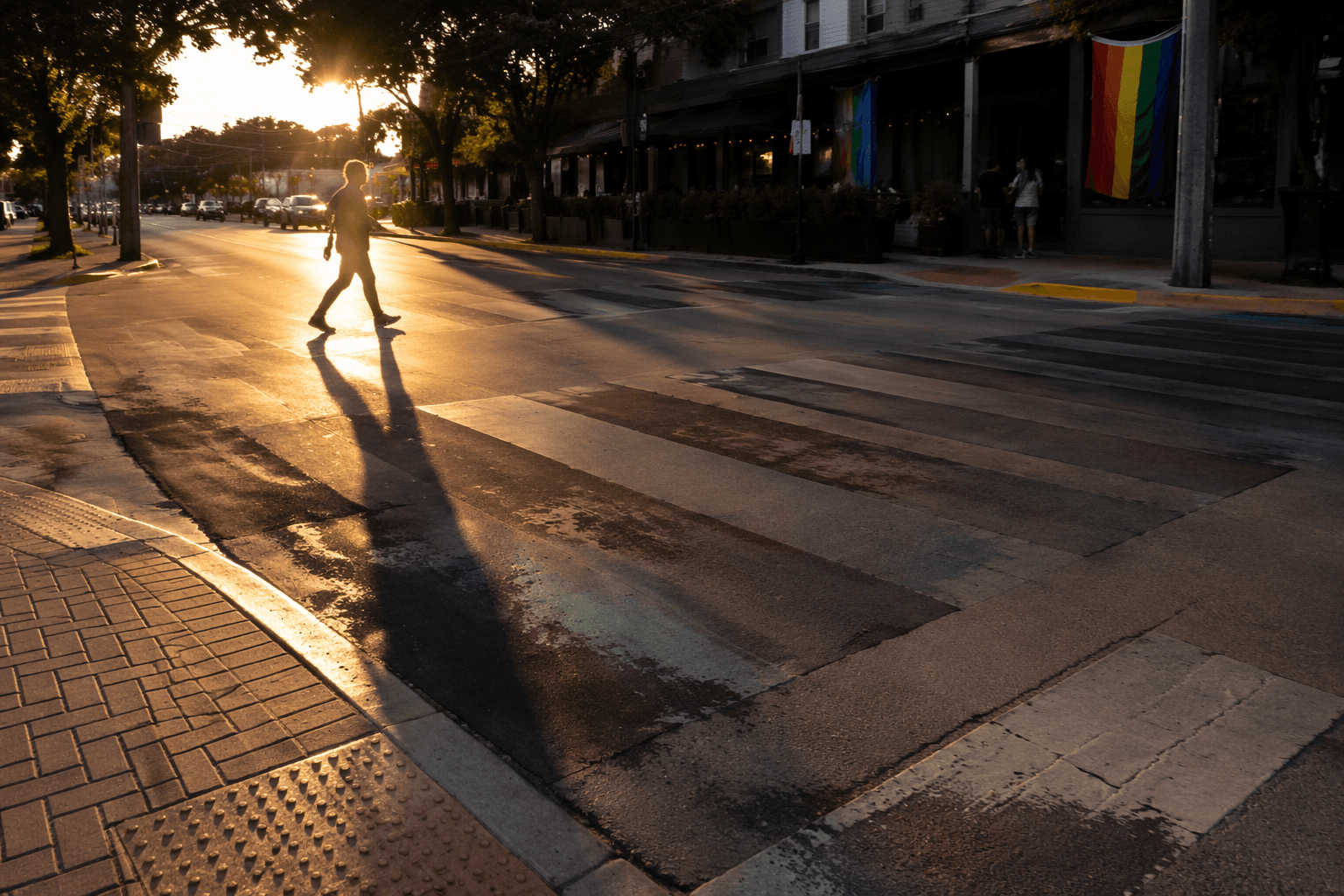
The old rainbow still ghosts through the black pavement at Westheimer Road and Taft Street, but Montrose is already replacing that symbol with new ones. Artist Nicky Davis has painted a small rainbow mural to help restore a sense of welcome, while Pride activist Jack Valinski is pushing for more permanent signs of support in Houston’s best-known LGBTQ+ neighborhood.
City and state officials have framed the crosswalk’s removal as a roadway issue, not a cultural one. Gov. Greg Abbott directed transportation agencies to crack down on political or ideological markings on streets, warning cities that they could lose state and federal transportation funding if they kept non-standard designs in place. The result in Montrose was the loss last fall of a crosswalk that had become far more than paint.
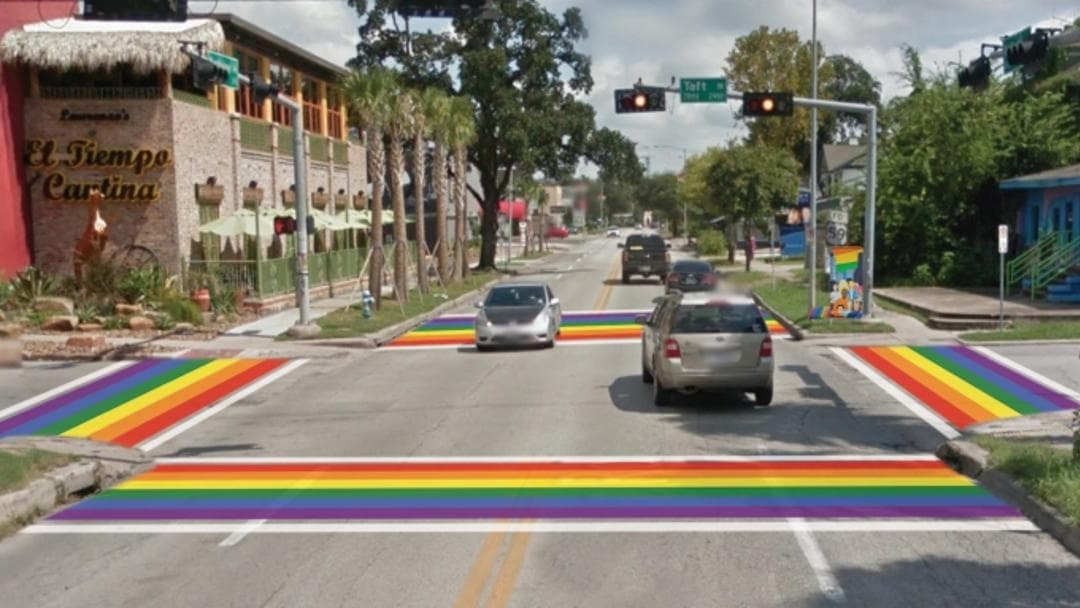
That intersection has carried Pride history for years. The rainbow crosswalks at Westheimer and Taft were first installed in 2017 and funded by Pride Houston 365. Houston Public Media described them as the first such landmark in Texas recognizing LGBTQ+ residents, and another local outlet reported that they were originally painted to honor a fatal hit-and-run victim at the intersection as well as to celebrate Montrose’s queer heritage.
Their removal has not ended the neighborhood’s public display of identity, but it has changed its form. Davis’s mural and the push for banners reflect a shift from roadway art to smaller, more flexible expressions that can survive tighter state oversight. Valinski said organizers hope to install Pride banners in the coming months, pending final work with the City of Houston and CenterPoint Energy.
Montrose’s banner-district status gives that effort a formal path, but it also comes with rules. Houston’s permitting guidance says banner districts are designated by City Council, banners must be noncommercial and nonpolitical, and applications require a pre-approval letter from CenterPoint before anything can go up on utility poles. That makes Pride visibility in Montrose as much a question of permits and infrastructure as of art or activism.
The crosswalk itself has already moved through several rounds of restoration and removal. It was temporarily repainted after construction work on Oct. 1, 2025, then removed again later that month as state pressure intensified. METRO said it was following federal and city guidance while keeping safety, reliability and accessibility in view.
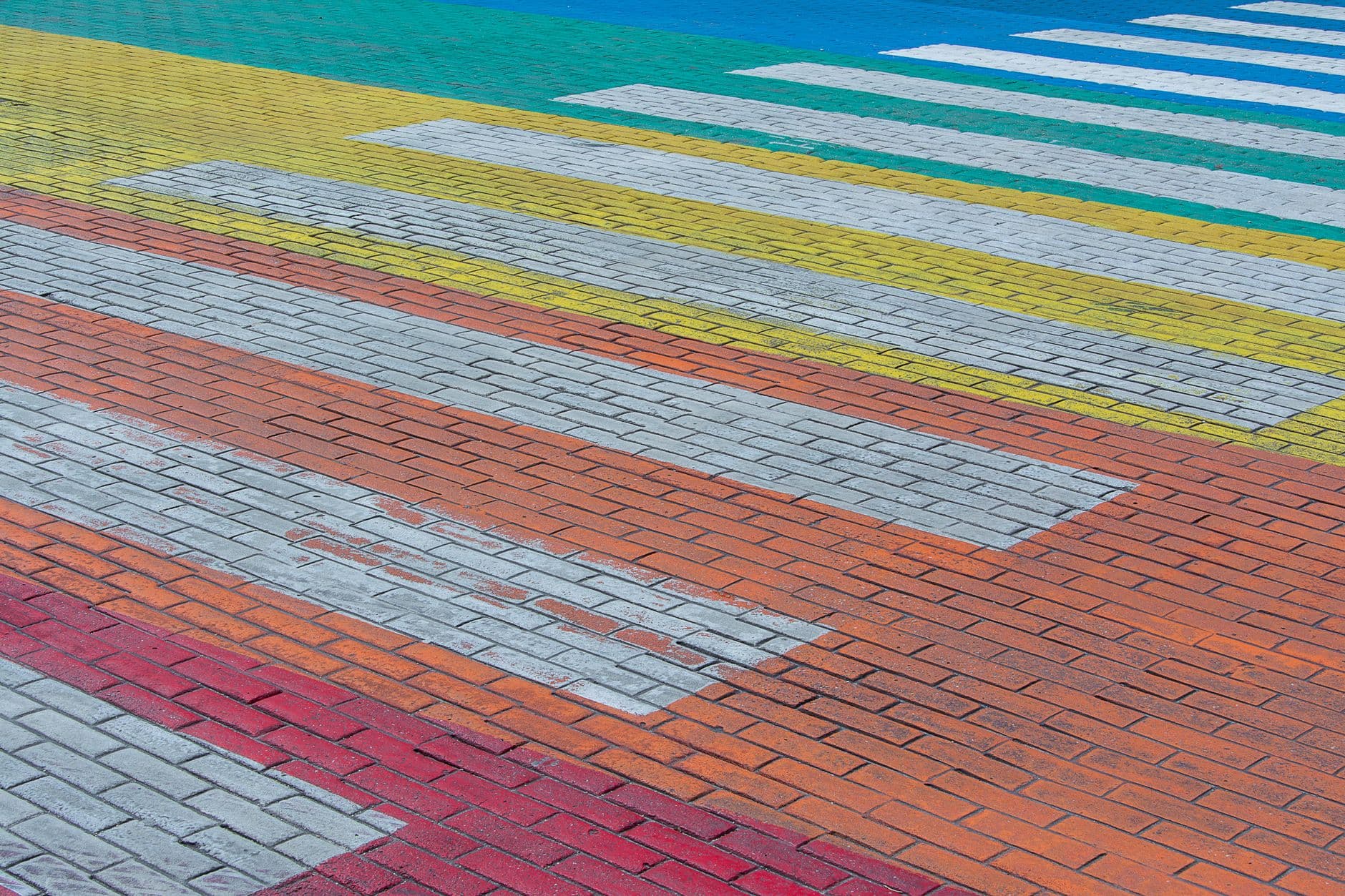
For some residents, the black pavement looks like an attempt to erase a neighborhood landmark. For others, the response now unfolding in Montrose shows something else: Pride in Houston is not disappearing, but it is being pushed into new spaces, where visibility depends on whether the city, the utility company and the state will allow it to remain in public view.
This article was produced by Prism’s automated news system from verified source data, official records, and press releases, then run through automated quality and moderation checks before publishing. The system is built and supervised by the people who set the standards it runs under. Read our full AI policy.
Did this article answer your question?