Stroud’s Four First-Half Interceptions Doom Texans in 28-16 Playoff Loss
C.J. Stroud's four first-half interceptions led to a 28-16 loss in Foxborough, ending the Texans' season and raising local concerns about offseason moves and community impacts.
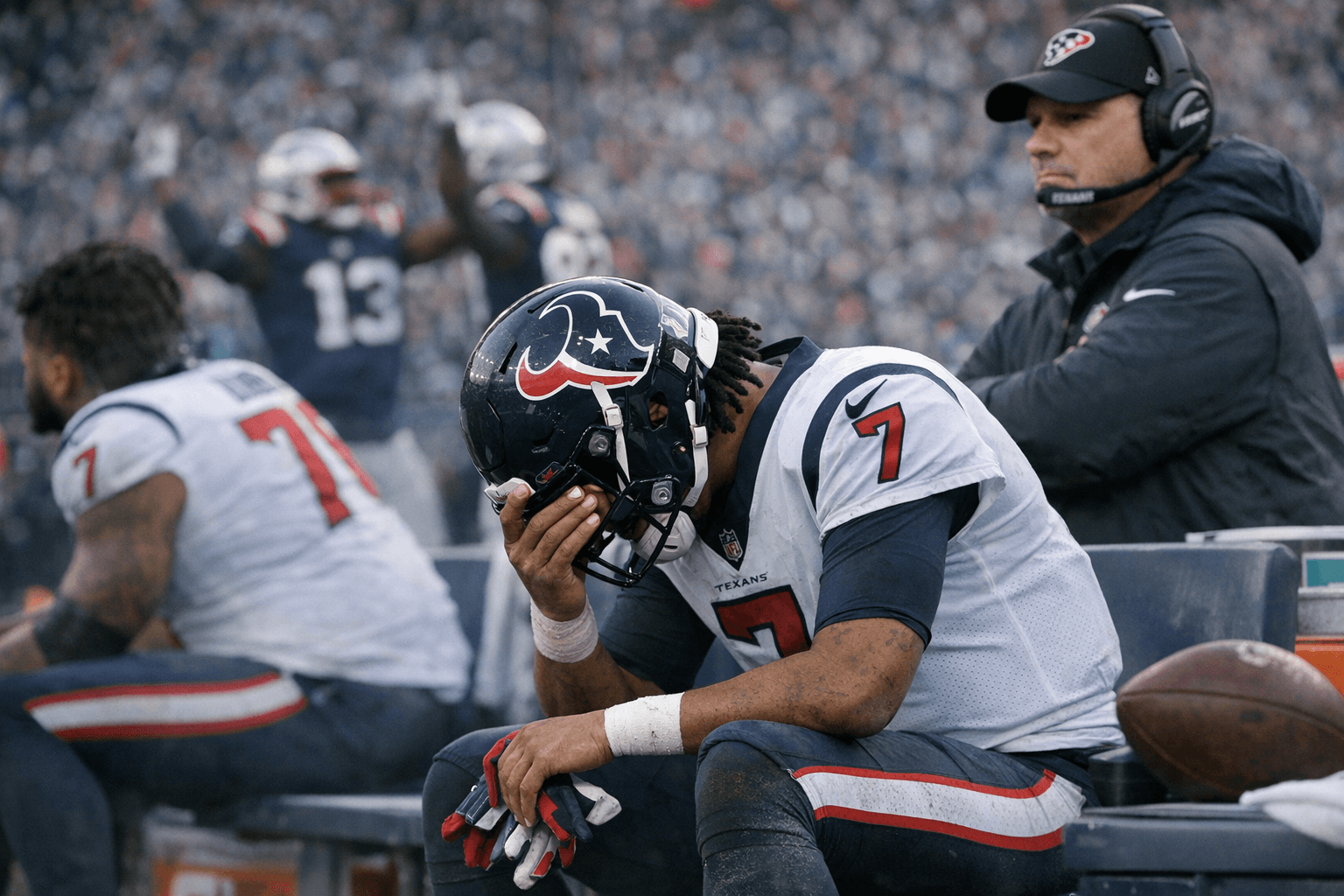
C.J. Stroud’s four first-half interceptions sank the Houston Texans in a 28-16 divisional-round loss to the New England Patriots in Foxborough, ending a season that had surged after a slow start. The turnovers and an ineffective running attack proved decisive in a game the Texans could not overcome despite strong defensive moments from Houston’s roster.
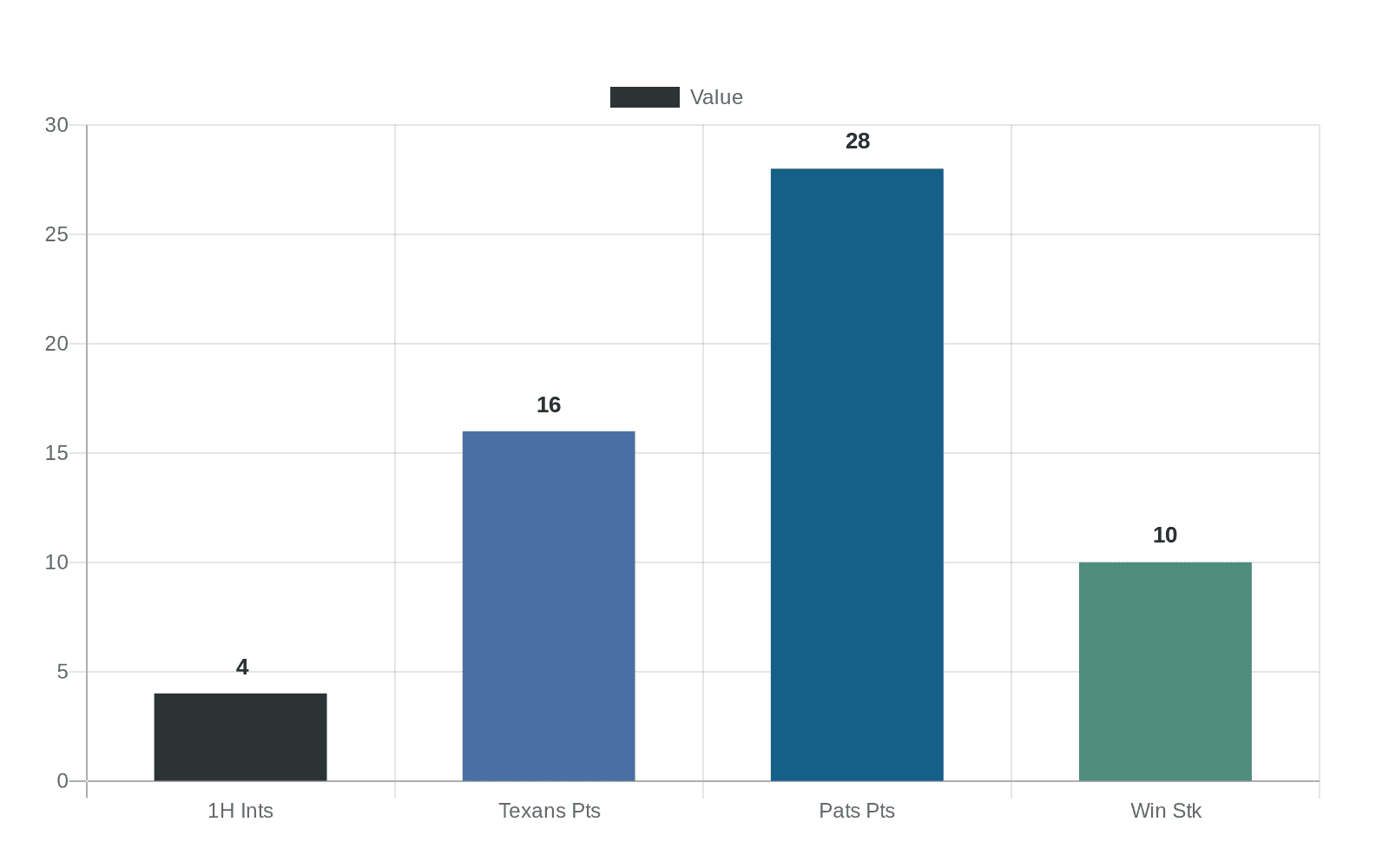
The loss concluded a campaign that featured a 10-game win streak and a defense that often carried the team during the regular season. Will Anderson Jr. produced standout defensive plays in the playoff matchup, but those efforts could not make up for repeated offensive miscues. Stroud’s interceptions in the first half flipped momentum, set up opposing scores, and forced Houston into a catch-up posture it could not recover from. The Texans managed 16 points while the Patriots reached 28, sealing Houston’s postseason exit.
For Harris County, the defeat interrupts the local momentum that had built around the Texans’ late-season run. Playoff travel and watch-party activity generated economic stimulus for bars, restaurants, ride services, and retail outlets that sell team merchandise; the early exit reduces those short-term gains. Beyond dollars, the loss affects community morale in neighborhoods where Texans football is a civic glue. High school and youth football programs in Houston rely on the visibility and inspiration of postseason runs to drive participation and community support, and the abrupt end shifts attention into the offseason.
Public health and social services also intersect with professional sports outcomes. Intense community investment in a team’s success can heighten emotional responses among fans and local youth; a sudden defeat can exacerbate disappointment and stress for some residents. Local health providers and school counselors who field calls related to sports-related anxiety or behavioral shifts may see this as another reminder of the need for accessible mental health resources tied to community athletics. Decisions the Texans make this offseason about roster moves, coaching adjustments, and player development will shape not only on-field performance but also employment and programming that connect to Harris County neighborhoods.
Looking ahead, the Texans enter a period of immediate offseason questions about adjustments and roster decisions. Stroud’s turnovers will be central to evaluation of quarterback play and offensive strategy in spring practices and personnel meetings. Will Anderson Jr.’s defensive flashes will inform how Houston builds around its defensive identity moving forward.
For Houston fans and community leaders, the immediate task is transition: digest the loss, support players and programs that serve local youth, and pay attention to the upcoming roster and coaching decisions that will determine whether the next season restores both competitiveness and the community benefits that come with it.
This article was produced by Prism’s automated news system from verified source data, official records, and press releases, then run through automated quality and moderation checks before publishing. The system is built and supervised by the people who set the standards it runs under. Read our full AI policy.
Did this article answer your question?