Washington Avenue businesses lose revenue amid repeated water shutoffs
Repeated water shutoffs on Washington Avenue left a salon, restaurant and medical offices scrambling, with one owner saying service failed five times in three weeks.
Repeated water shutoffs on Washington Avenue hit small businesses in real time, forcing a salon to cancel or delay appointments and leaving a restaurant with about $5,000 in losses during the latest outage.
One salon owner said the water had gone out without warning five times in three weeks, a pattern that turned a basic utility into an hourly business risk. Without water, stylists could not keep serving clients normally, customers had to wait or reschedule, and the interruption quickly spilled into payroll, sanitation and customer service.
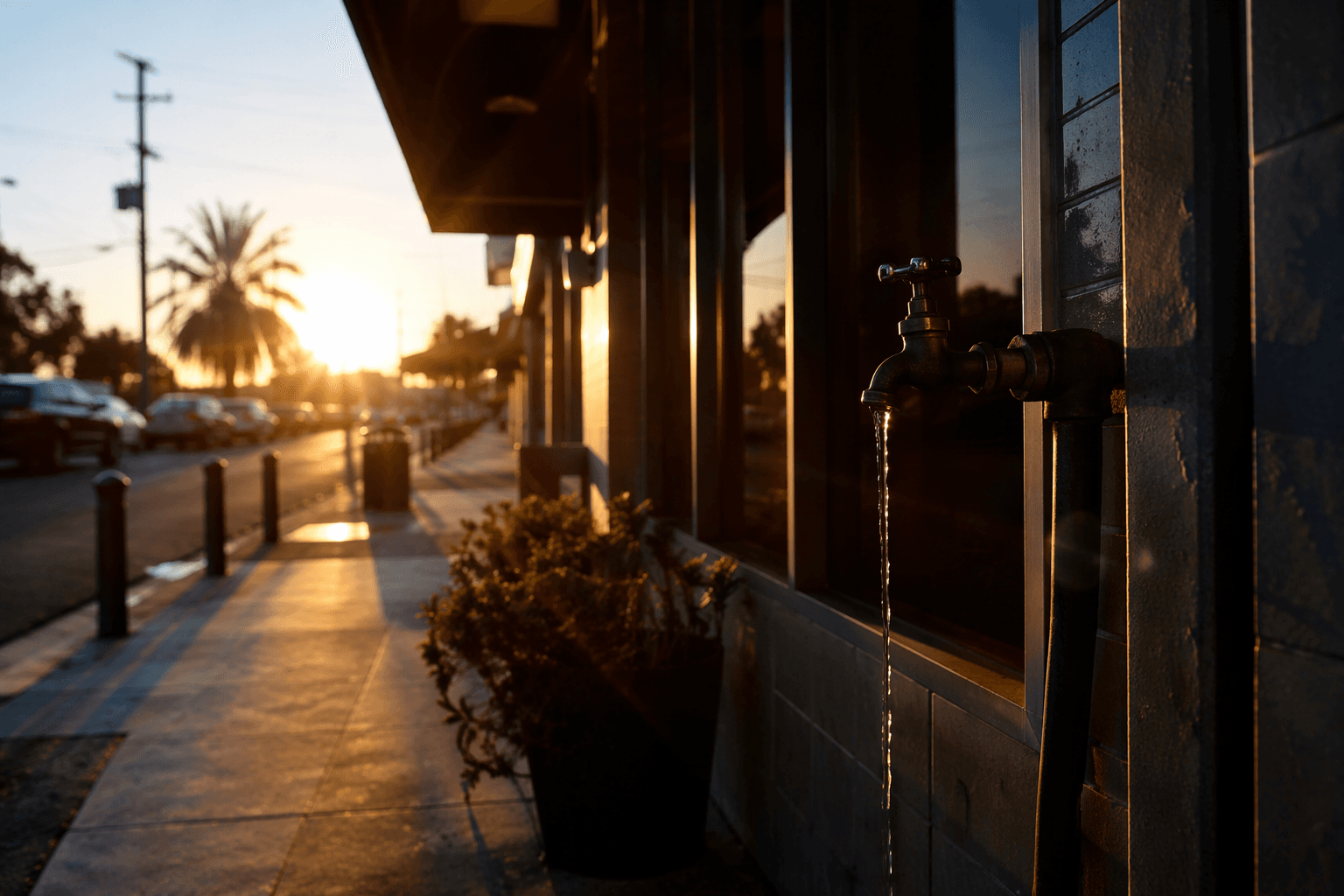
The latest outage was not confined to one storefront. A nearby dermatology office and a dental office also reported being affected, showing how a corridor built on service work can be knocked off balance when water service fails. Restaurants, salons and medical offices all depend on running water to stay open, clean equipment and keep appointments on schedule.
The biggest frustration for owners was the lack of notice. With no warning, they could not alert customers in advance, shift staff or reduce waste before service stopped. That kind of uncertainty can damage a business strip even when the outage itself is brief, because every interruption chips away at revenue and trust.
Washington Avenue is one of Houston’s most visible commercial corridors, and the repeated shutoffs put pressure on city and utility officials to explain what caused the failures, why businesses were not warned and what changes would keep another surprise shutdown from hitting the street. For owners already counting lost appointments and spoiled service windows, the issue was no longer just infrastructure maintenance. It was cash flow, reputations and the ability to keep doors open day by day.
This article was produced by Prism’s automated news system from verified source data, official records, and press releases, then run through automated quality and moderation checks before publishing. The system is built and supervised by the people who set the standards it runs under. Read our full AI policy.
Did this article answer your question?