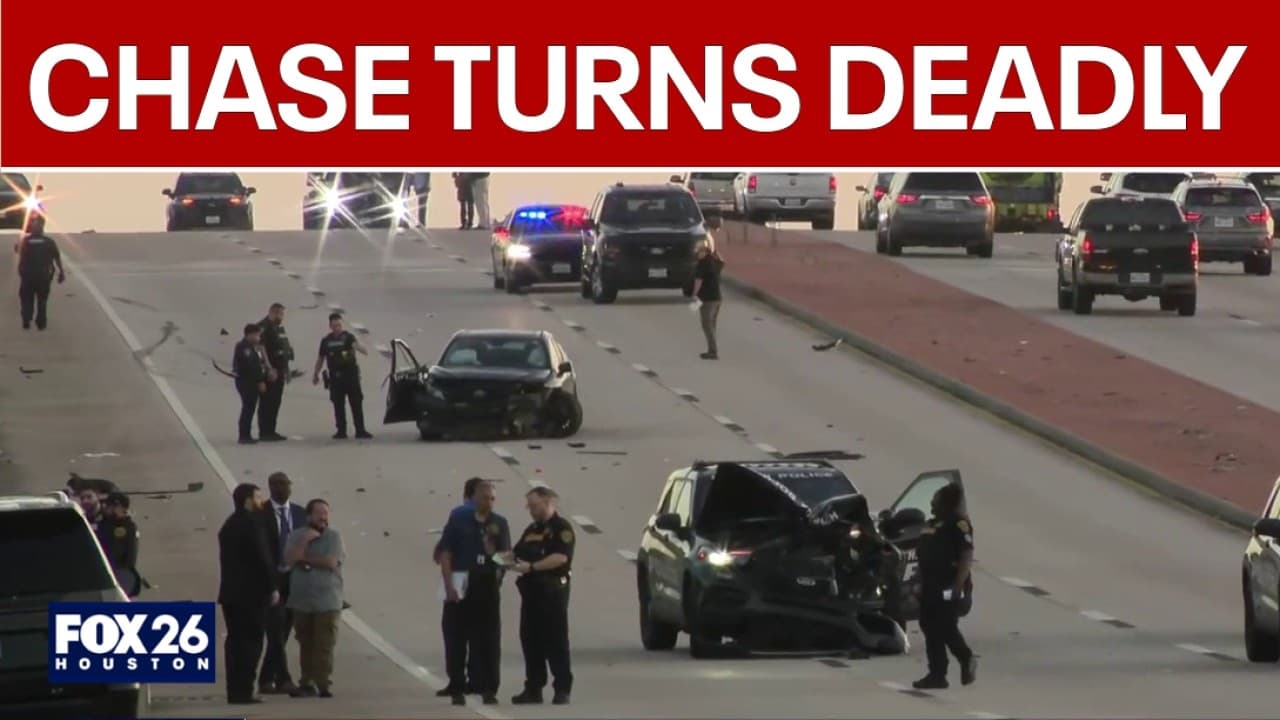
Woman killed crossing Summer Street in Houston’s Washington Avenue area
A woman died Wednesday morning after a black Chevy Tahoe struck her in an unmarked crosswalk at Summer and Sawyer, renewing scrutiny of Washington Avenue safety.

A woman was killed Wednesday morning after Houston police said she was hit while crossing Summer Street in the Washington Avenue area, a stretch of roadway long criticized for putting pedestrians in danger even when drivers are not fleeing or impaired.
Houston police said the crash happened at about 9:40 a.m. June 3 in the 2400 block of Summer Street, at Summer and Sawyer streets. Investigators said the woman was crossing in an unmarked crosswalk when a black Chevy Tahoe struck her. She was taken to the hospital and later pronounced dead.
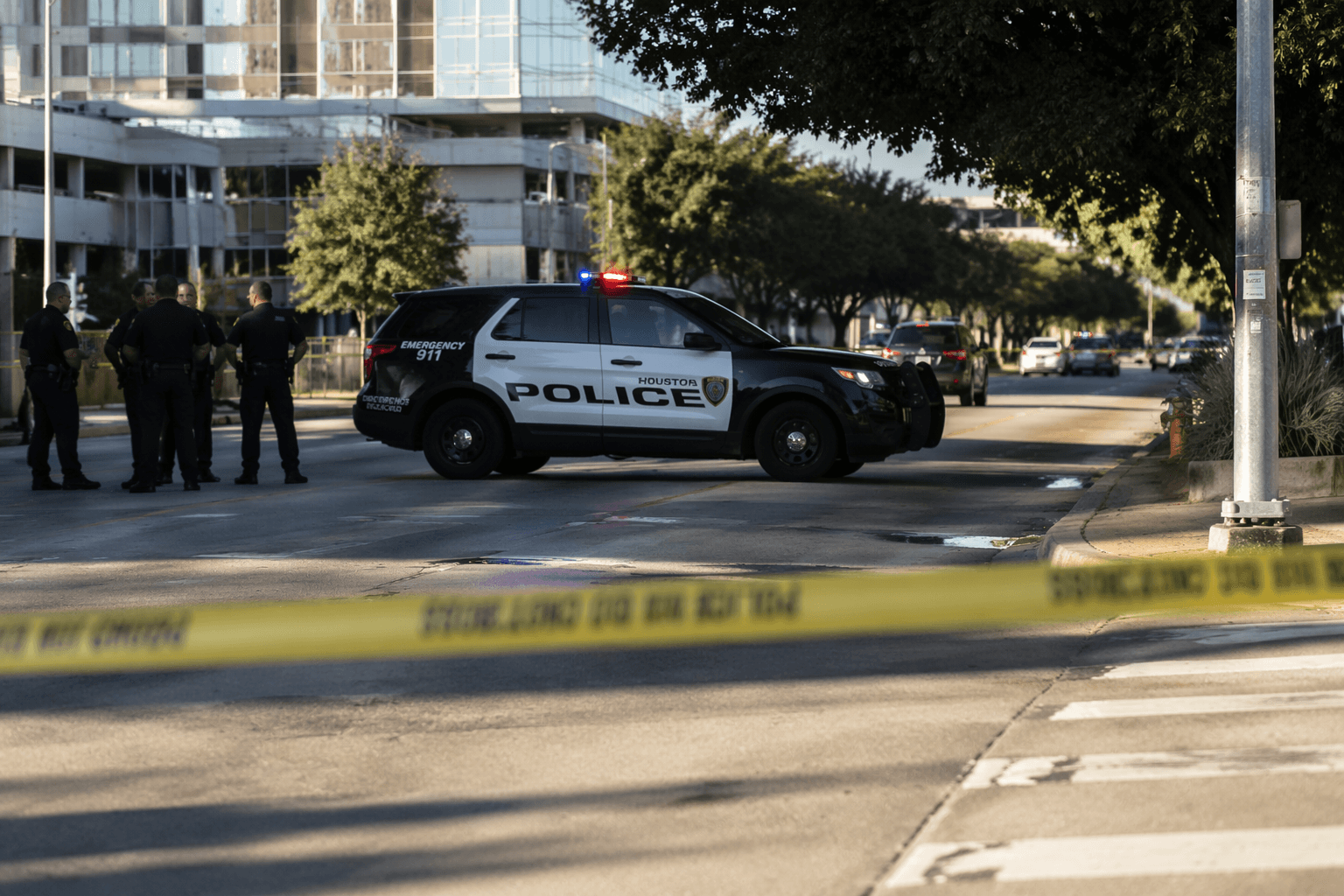
The driver stayed at the scene, did not show signs of intoxication and was questioned before being released, police said. HPD continued investigating the crash. A heavy law-enforcement presence at the scene underscored how quickly a routine crossing on a busy corridor can turn deadly.
The location matters. Summer Street cuts through the Washington Avenue area, where nightlife, apartments, neighborhood traffic and through-traffic all mix in a dense corridor that pedestrians navigate every day. The fact that police described the crossing as an unmarked crosswalk is central to the safety question now hanging over the crash: pedestrians may legally cross there, but the built environment offers little forgiveness when visibility, speed and crossing design are not working in their favor.
The Washington Avenue corridor has already been the subject of a Houston-Galveston Area Council mobility and safety study. H-GAC has said much of the corridor sits within Houston’s High Injury Network and that safer pedestrian crossings are urgently needed. Over the past five years, the corridor has seen more than 1,000 crashes and more than 350 injuries, including 19 serious injuries and one fatality before this latest death.
That data gives the deadly crossing on Summer Street broader significance for Harris County residents who walk near Washington Avenue, downtown and other mixed-use Houston streets. It also sharpens pressure on city leaders to address lighting, speed, crosswalk placement and other design features that can leave pedestrians exposed long before a driver makes a mistake. The corridor’s crash history suggests the danger is not isolated, but built into the way the street currently works.
Houston’s pedestrian toll has remained grim. Local reporting said the city recorded 98 pedestrian deaths in 2023, and another analysis found 2024 brought more auto-pedestrian crashes, injuries and deaths than any year since at least 2020. Wednesday’s death added another name to a citywide crisis that continues to play out one crossing at a time.
This article was produced by Prism’s automated news system from verified source data, official records, and press releases, then run through automated quality and moderation checks before publishing. The system is built and supervised by the people who set the standards it runs under. Read our full AI policy.
Did this article answer your question?