World Cup traffic jams Houston Stadium before Germany-Curaçao match
First responders and vendors were stuck more than an hour near the Fannin exit before kickoff, exposing a weak point in Houston’s World Cup access plan.
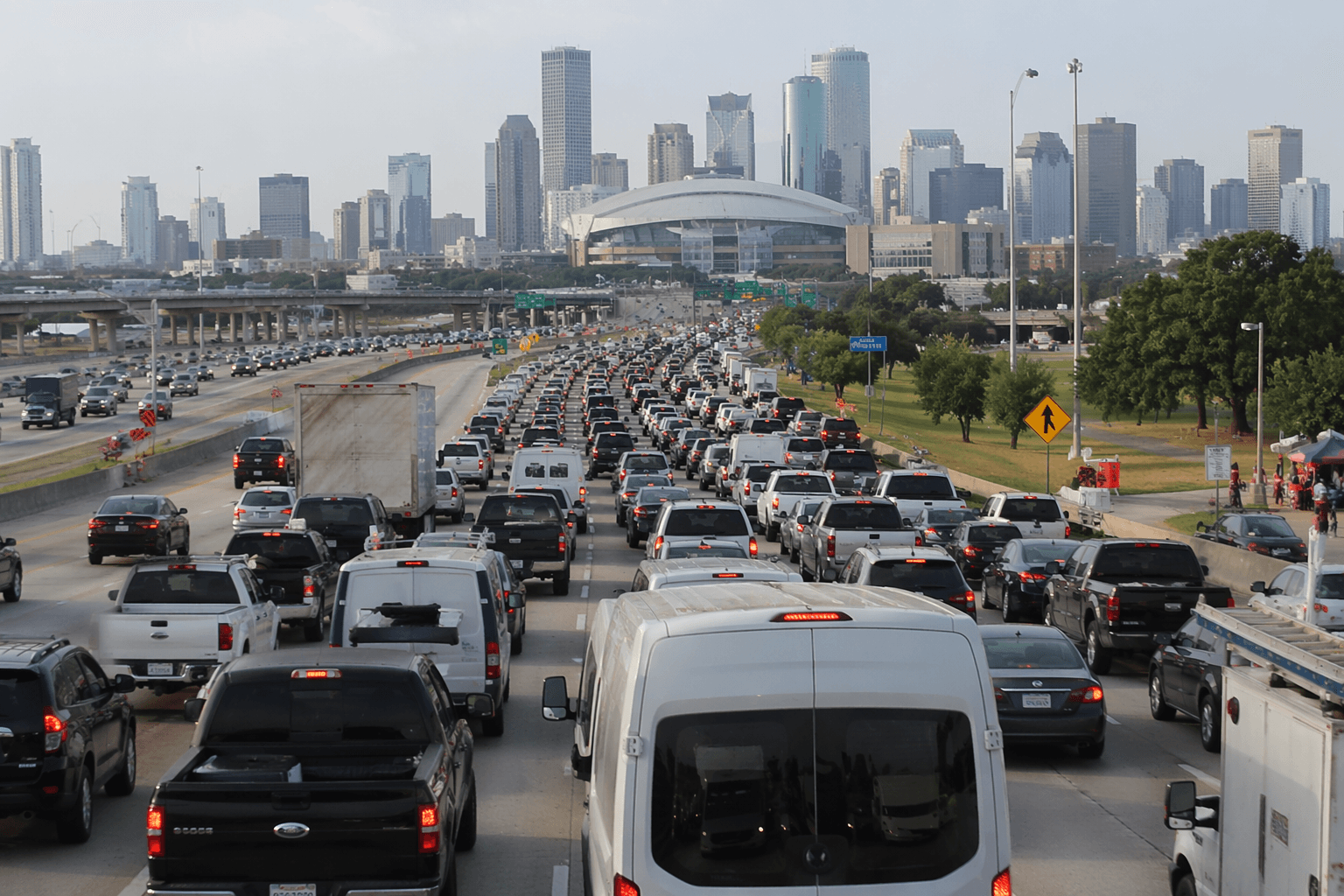
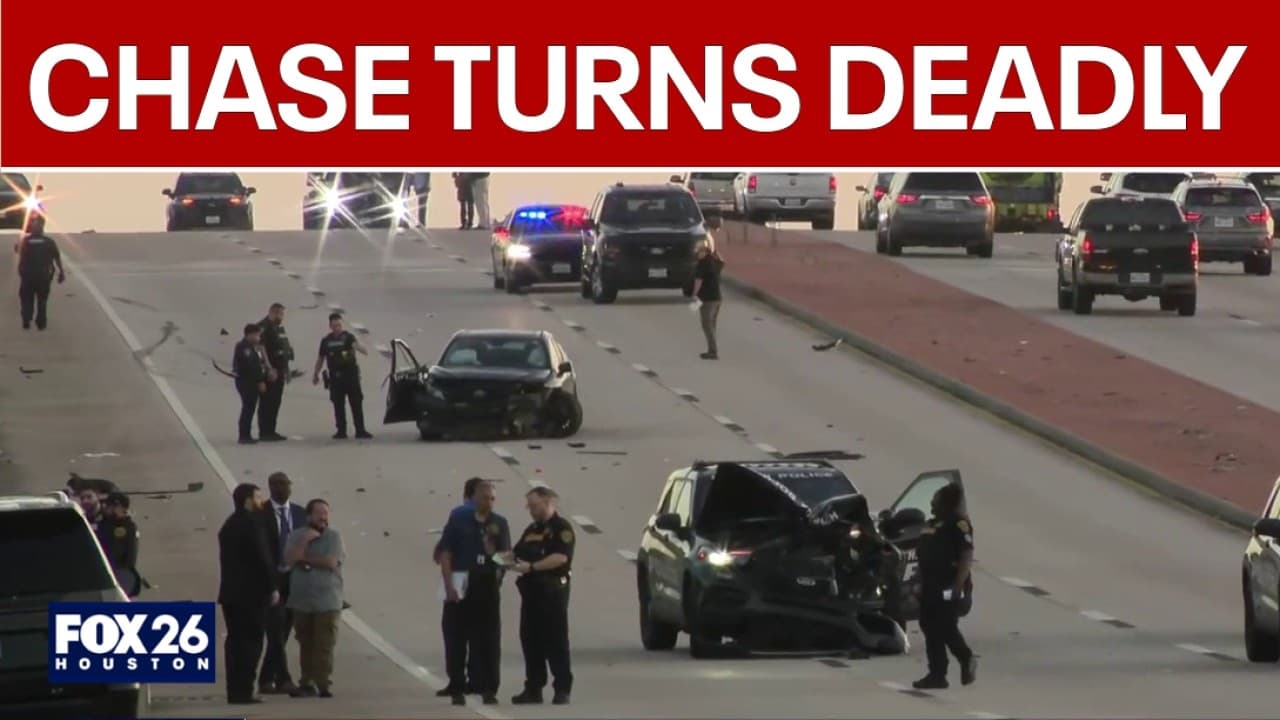
Before the first whistle at Houston Stadium, the people who were supposed to keep the event moving were already trapped in it. First responders and vendors headed to the Germany-Curaçao match said they sat in traffic for more than an hour near the Fannin exit on the South Loop feeder road, where a minor two-vehicle crash near Gate 6 helped snarl access to the stadium.
One officer assigned to the response was slowed further by a passing train and did not arrive until 6:51 a.m., a reminder that even a small incident can cascade around NRG Stadium when a World Cup day begins. The delay affected workers who needed to be in place long before the noon kickoff on June 14.
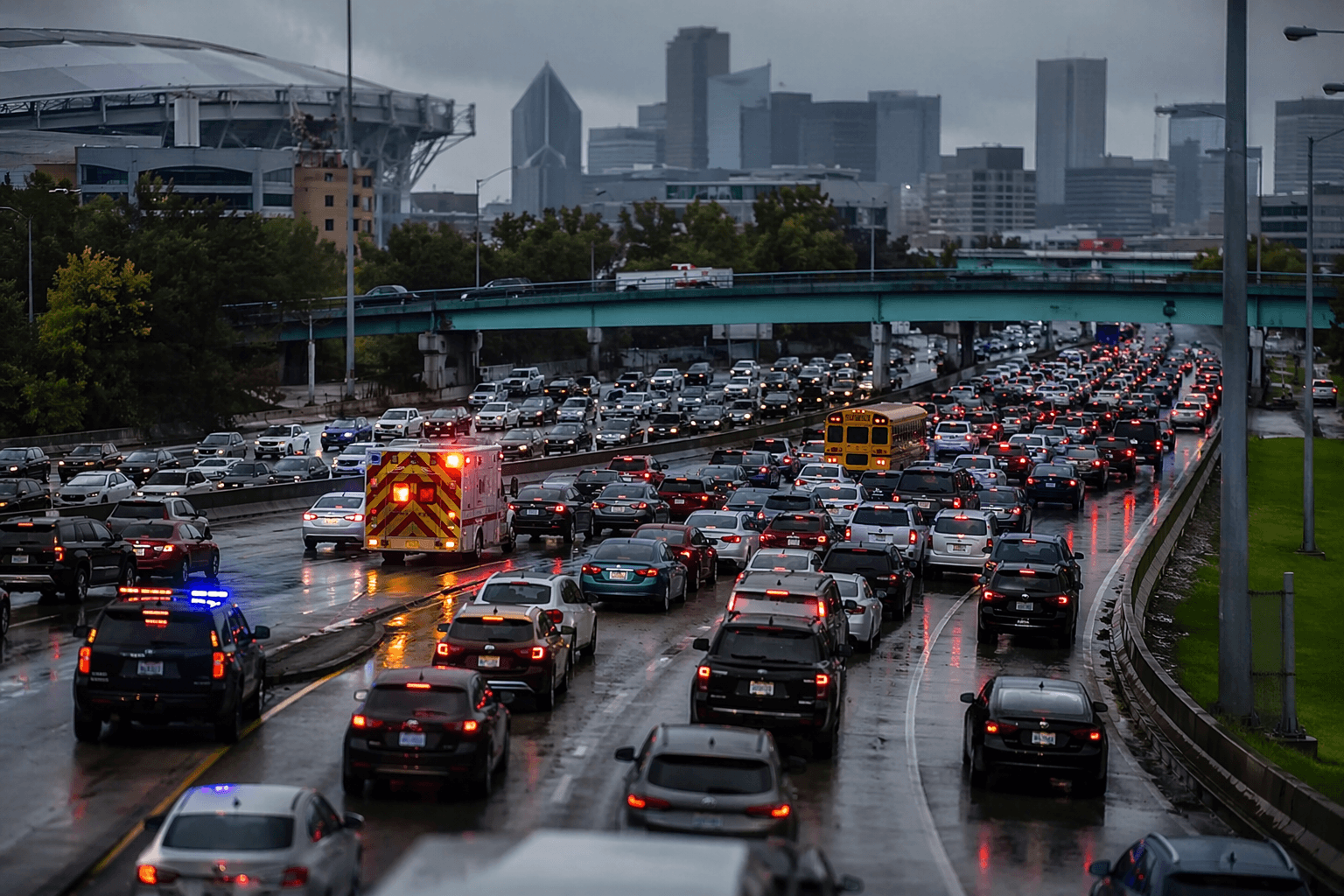
The breakdown points to a larger challenge for Harris County and Houston: officials expect about 500,000 visitors to move through the city over 39 days of World Cup matches and related events, and transportation leaders have warned that congestion on major event days could jump by as much as 50% in corridors including the South Loop, West Loop and Highway 288. Some travel times could double on match days, with the worst backups expected around the Southwest 610 Loop and the routes linking downtown Houston to NRG Stadium, which FIFA is calling Houston Stadium during the tournament.
Houston will host seven World Cup matches at the venue between June 14 and July 4, while the host committee’s 34-day FIFA Fan Festival in East Downtown adds another major traffic generator outside the stadium district. Officials have also said the tournament is arriving alongside other summer events, making the city’s curb-to-stadium access even more vulnerable to delays.
City agencies are already adjusting. METRO plans more frequent midday park-and-ride service, later evening service until midnight and increased rail frequency on the Red, Green and Purple lines. Officials also said more tow trucks and emergency-response crews will be staged near high-traffic areas to clear incidents faster before the next match adds another wave of cars, buses and delivery vehicles to Houston’s already stressed game-day grid.
This article was produced by Prism’s automated news system from verified source data, official records, and press releases, then run through automated quality and moderation checks before publishing. The system is built and supervised by the people who set the standards it runs under. Read our full AI policy.
Did this article answer your question?