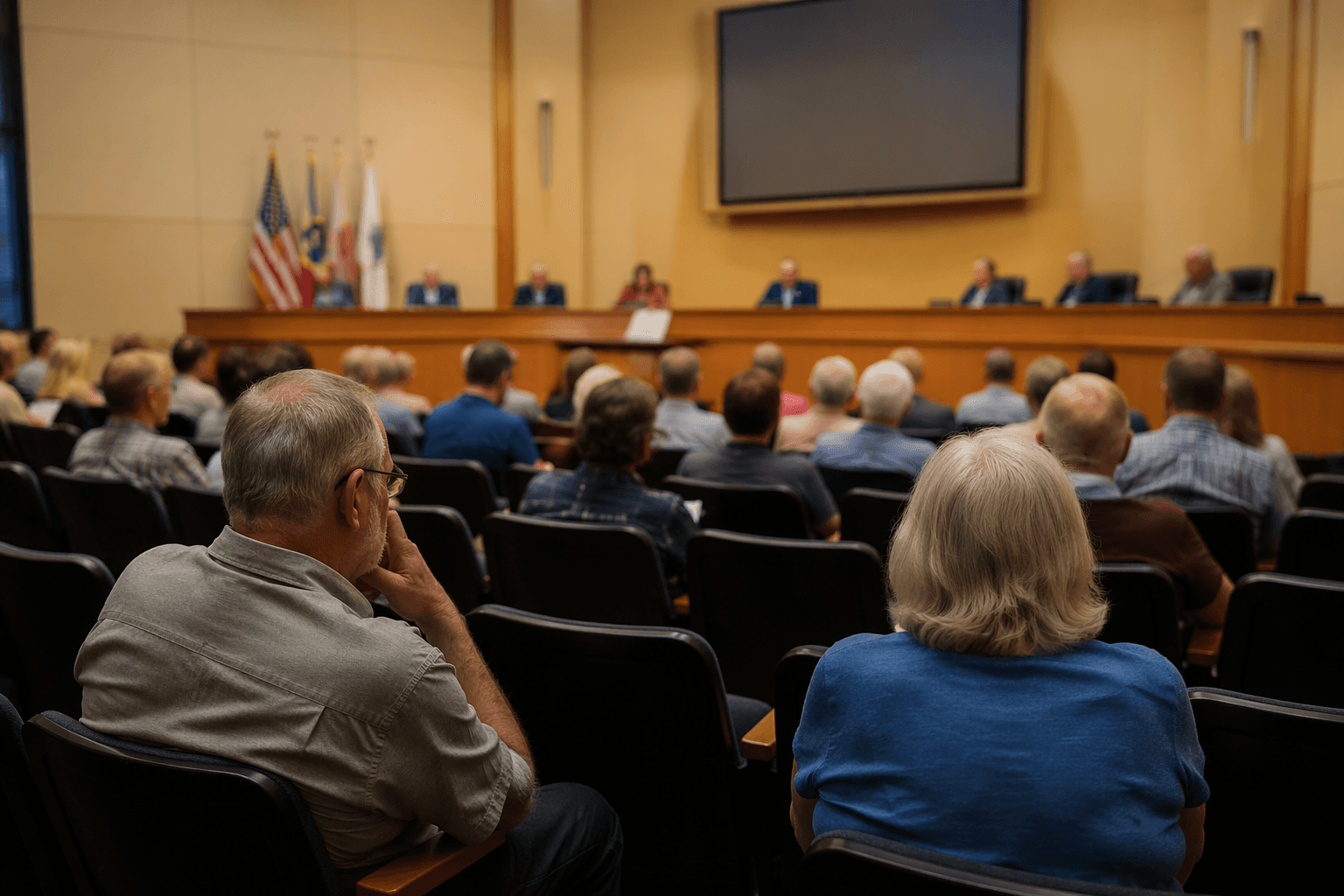
Brooksville council weighs tougher tree rules amid growth debate
Brooksville leaders are weighing tougher tree rules that could force developers to pay more, preserve more oaks, or redesign projects around existing canopy.
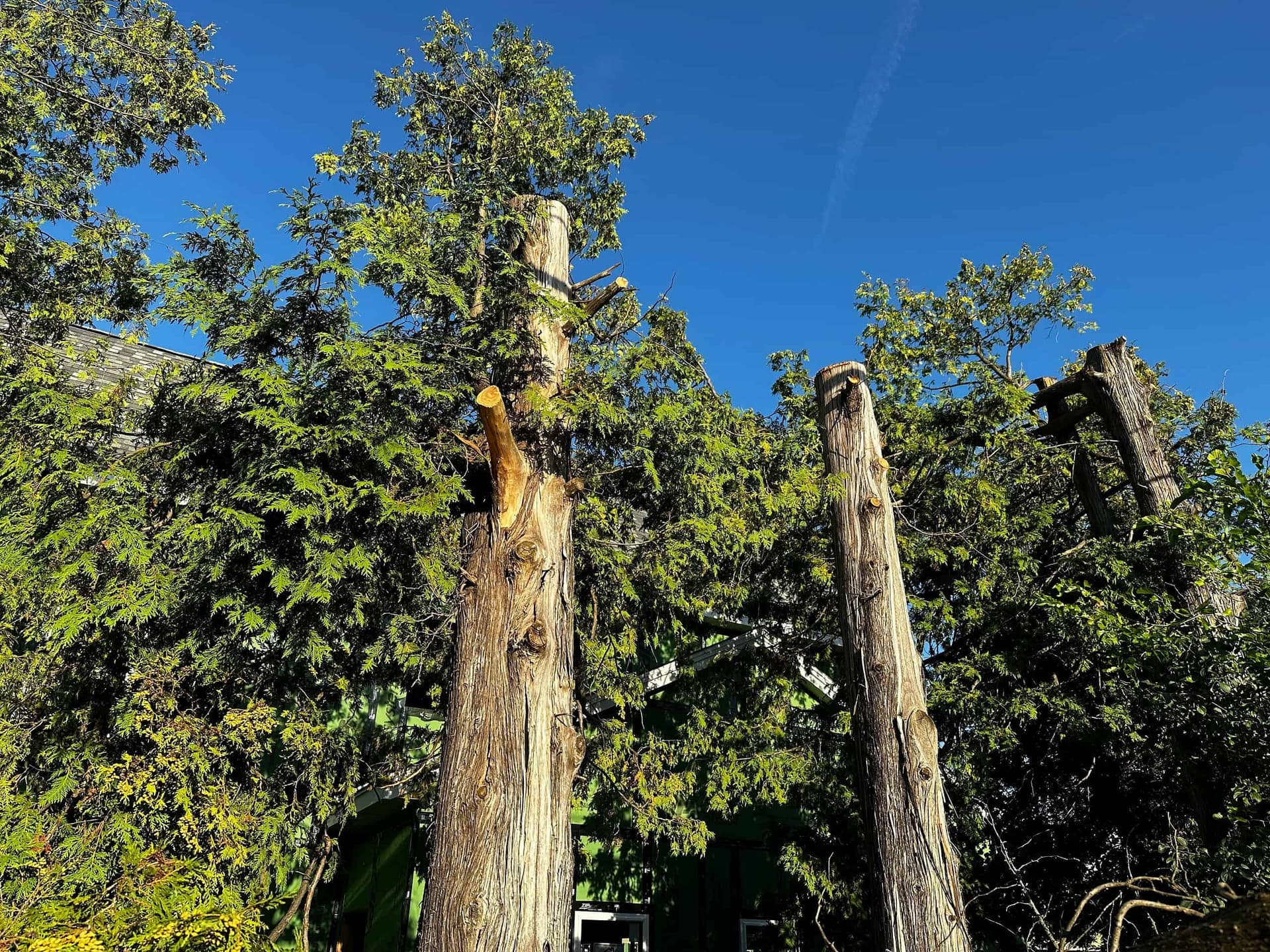
Brooksville leaders spent June 1 pressing a question that reaches far beyond landscaping: how much of the city’s live oak canopy should give way to growth, and how much should developers pay if it does? The discussion centered on whether the city’s tree mitigation ordinance should be revised, with council members treating the issue as a test of how Brooksville balances new construction, neighborhood character and property rights.
Legal counsel Chloe Berryman pointed the council to Orange County’s system, where live oaks are split into specimen trees and heritage trees. Under that approach, specimen trees are replaced on a 3-to-1 basis, while heritage trees carry a 5-to-1 replacement ratio. Berryman said the higher standard is meant to replace lost canopy faster and avoid waiting decades for mature shade trees to return.

That distinction matters in a city where canopy is part of the local identity, not just the streetscape. In Brooksville, the debate is whether a developer who clears an older tree should face a light landscaping obligation or a much steeper cost that makes saving the tree the easier choice. Councilman J.W. McKethan backed the stronger mitigation model, arguing that tougher requirements could push builders to design around existing trees instead of treating removal as the default.
Mayor Christa Tanner raised another pressure point: enforcement. She pointed to St. Augustine, where high fees for unpermitted live oak removals have been used to discourage illegal or careless clearing. Her comments suggested Brooksville may need to look not only at how many trees must be replaced, but also at whether fines and fee structures are strong enough to change behavior before a mature oak comes down.

The council did not change the ordinance at the meeting, but the discussion showed how quickly a tree rule can become a growth-management fight. If Brooksville raises mitigation ratios or boosts penalties, developers could face higher costs and longer planning timelines, while neighborhoods could keep more of the canopy that gives the city its shade and visual character. If it does not, more of that canopy could disappear during the next wave of growth, with homeowners and city leaders left waiting for replacements that may take generations to mature.
This article was produced by Prism’s automated news system from verified source data, official records, and press releases, then run through automated quality and moderation checks before publishing. The system is built and supervised by the people who set the standards it runs under. Read our full AI policy.
Did this article answer your question?