Florida property-tax elimination plan heads to November ballot
Florida’s tax-cut push advanced to voters, raising questions about what Hernando homeowners would save and what county and school programs could lose.
A property-tax overhaul backed by Gov. Ron DeSantis cleared the Legislature and headed to the November ballot, setting up a direct fight over how much relief Hernando County homeowners would see and which local services would have to absorb the loss.
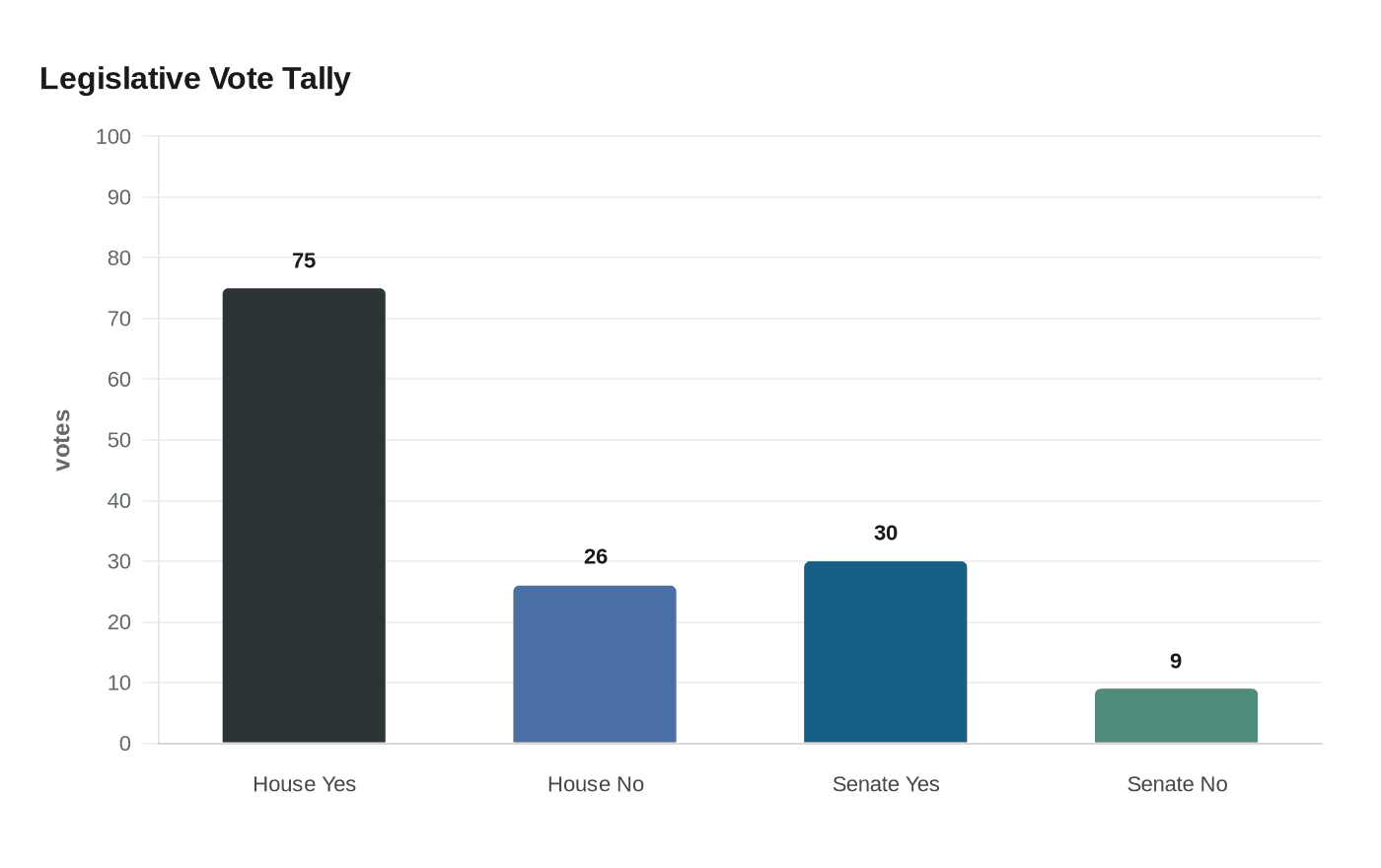
Lawmakers approved the proposal by a 75-26 vote in the House and a 30-9 vote in the Senate. The plan is being sold as the next step under the Save Our Homes banner, but it is not an immediate wipeout of all property taxes. Instead, the first year would lift the homestead exemption to $150,000, then push it to $250,000 in 2028.
That distinction matters in Hernando County, where property tax bills help pay for schools, county operations and other local services that residents in Brooksville, Spring Hill and surrounding communities rely on every day. The plan also drew a boundary around what it would not touch: school property taxes were removed from the discussion, along with a potential state trust fund, shaping both the size of the homeowner break and the amount of revenue still left to fund public needs.
Sen. Bryan Avila described the proposal as a historic step meant to give families relief and give residents a way to judge how well local governments are performing. DeSantis, meanwhile, argued that property-tax growth has risen faster than population growth and inflation alone would justify, making the case that taxpayers should see immediate relief.
The scale of the issue is already visible in the numbers. Statewide property-tax collections have climbed from $32 billion in 2019 to $60 billion in 2026. In nearby Pasco County, collections rose from $251 million in 2018 to $609 million today, underscoring how quickly local tax rolls have expanded across fast-growing Central Florida.
For Hernando County, the ballot question is no longer an abstract Tallahassee fight. If voters approve a constitutional change that reduces homestead taxes, county leaders and school officials would have to decide how to replace the money, whether through deeper budget cuts, higher fees, or some other local shift. The result would reach far beyond tax bills, reshaping the future of public services and county planning at home.
This article was produced by Prism’s automated news system from verified source data, official records, and press releases, then run through automated quality and moderation checks before publishing. The system is built and supervised by the people who set the standards it runs under. Read our full AI policy.
Know something we missed? Have a correction or additional information?
Submit a Tip