Hernando County schools move to set classroom rules for AI use
A Hernando student may soon need teacher permission before using AI for homework help, with age-based limits from Canva AI to Copilot and bans on deepfakes and harassment.

A Hernando County student using AI to brainstorm an essay, translate homework or get help studying could soon be working under a much tighter set of classroom rules. District leaders are writing policy that would spell out when artificial intelligence is a learning tool, when it is off-limits, and when misuse could put a student on the wrong side of school discipline.
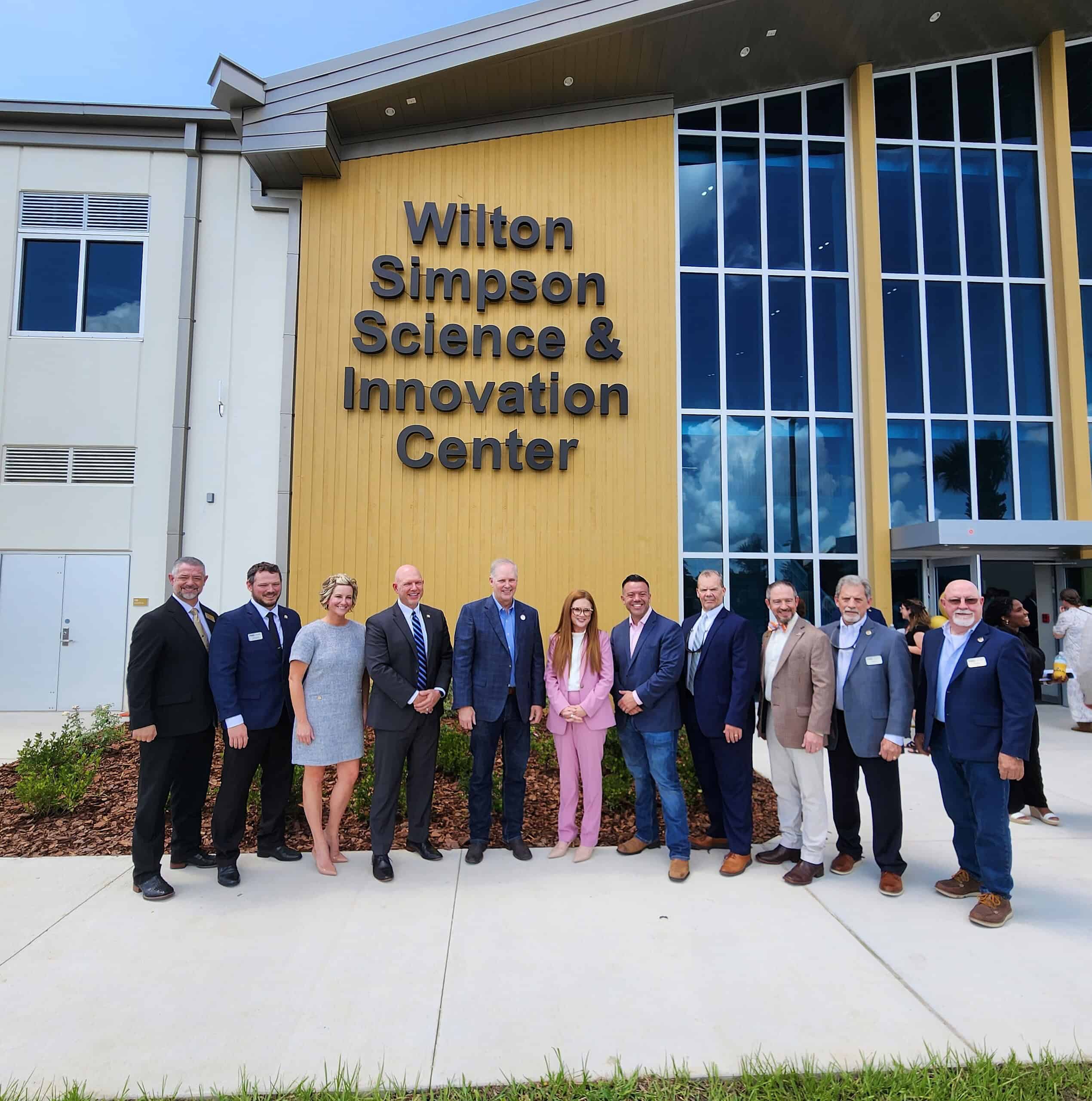
The Hernando County School Board heard the framework at its May 12 workshop, and district officials said the goal is not a blanket ban. Joe Amato, the district’s director of technology and information services, said the district wants guidance that is practical in real classrooms, not just language that sits on paper. The plan is being described as a living resource that would be refreshed every year as the technology changes.
For students, the clearest line is permission. Under the draft framework, AI use would be allowed only for specific purposes such as research, data analysis, translation, writing assistance or accessibility, and only with teacher approval. Elementary students would be limited to Canva AI under direct teacher supervision. Middle school students could use Canva AI or Khanmigo AI for clearly defined, task-specific instructional purposes with teacher permission. High school students could use Canva AI, Khanmigo AI or Microsoft Copilot under the same limits.
Teachers and staff would also be allowed to use AI, but only for approved job-related tasks. That list includes Canva AI, Khanmigo AI, Microsoft Copilot, Google Gemini and ChatGPT. In practice, that means a teacher might use AI to help draft a lesson, support grading or adjust materials for different learners, while still keeping the final decision and classroom judgment in human hands.
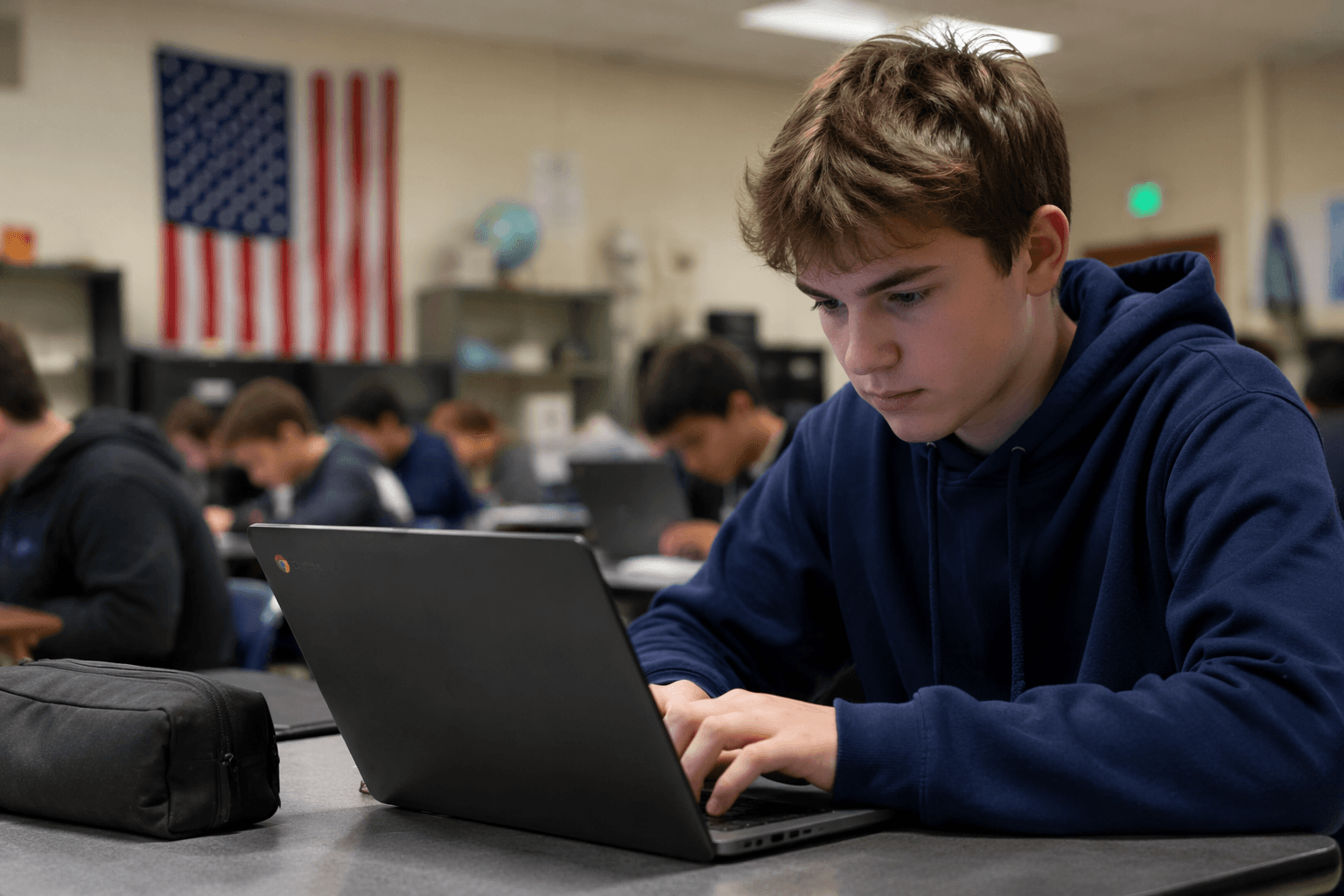
The policy also draws hard lines around abuse. Prohibited uses include deepfakes, impersonation, misleading or defamatory content, inappropriate media about students or teachers, harassment or bullying, and entering a student’s private information into public AI tools. That is where discipline could come in, especially if a student uses AI to misrepresent original work or to target another student or employee. Teachers will likely distinguish support from cheating by looking at whether the AI use was permitted, whether it was tied to a specific assignment, and whether the work was disclosed and age-appropriate.
Hernando is not moving alone. A University of Florida analysis of 73 Florida district codes of conduct found fewer than one-quarter explicitly referenced AI in 2024-25, but every district that did reference it allowed some use rather than banning it outright. UF also says its Florida K-12 AI Education Task Force includes 250 members across 39 districts, five charter schools, eight industry partners, 14 education associations and five higher education institutions. Hillsborough County Public Schools approved its own Emerging Technologies policy on June 2, 2025, and released an AI implementation guide, a sign that school districts across the state are trying to set guardrails before AI becomes routine in every classroom from Brooksville to Spring Hill.
This article was produced by Prism’s automated news system from verified source data, official records, and press releases, then run through automated quality and moderation checks before publishing. The system is built and supervised by the people who set the standards it runs under. Read our full AI policy.
Did this article answer your question?