Hernando deputies arrest cocaine trafficker, wanted sex offender
A July 27 sheriff’s post tied a cocaine trafficking bust to a July 24 traffic stop and a sex offender wanted by Washington for more than 18 months.
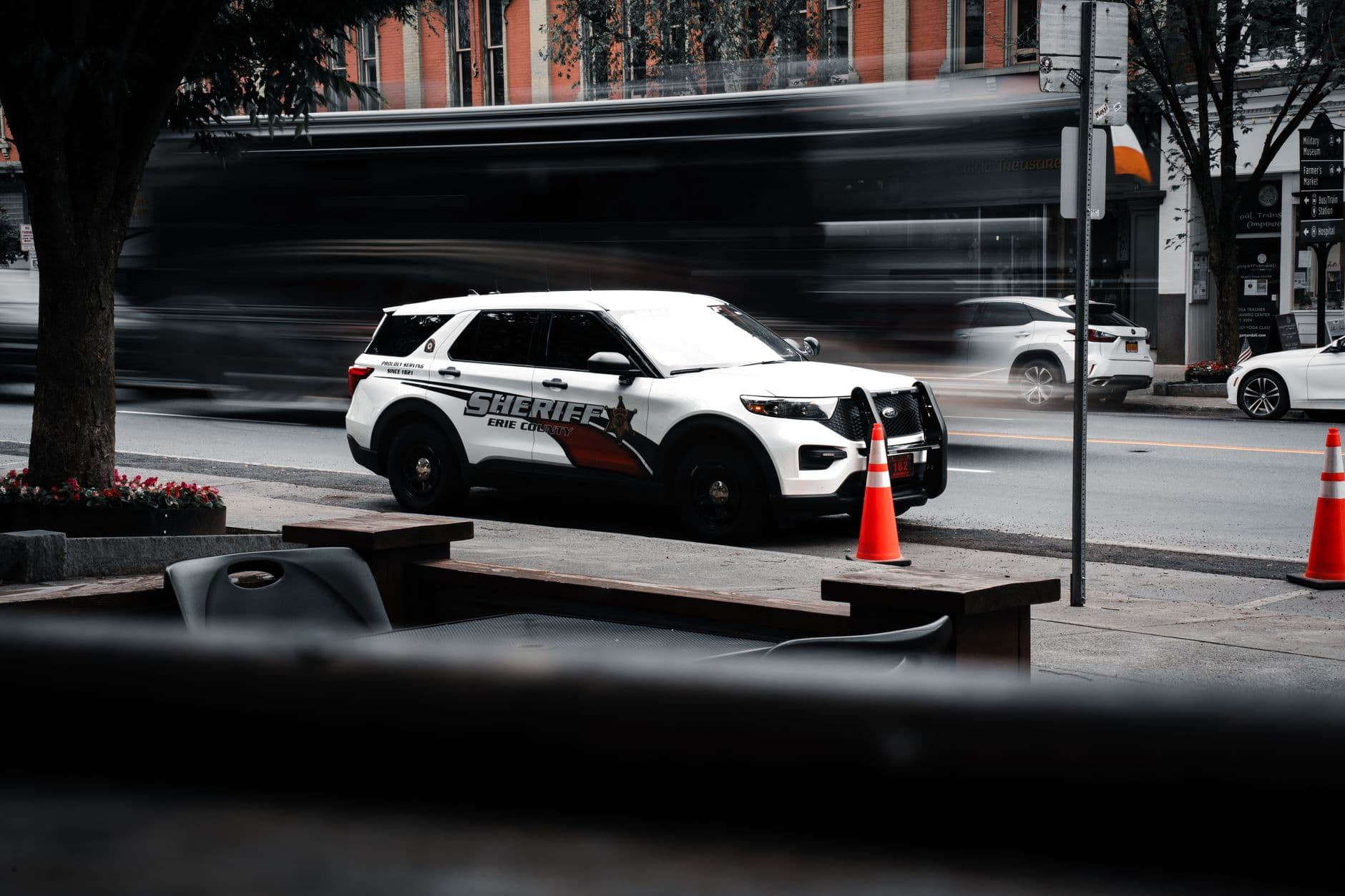
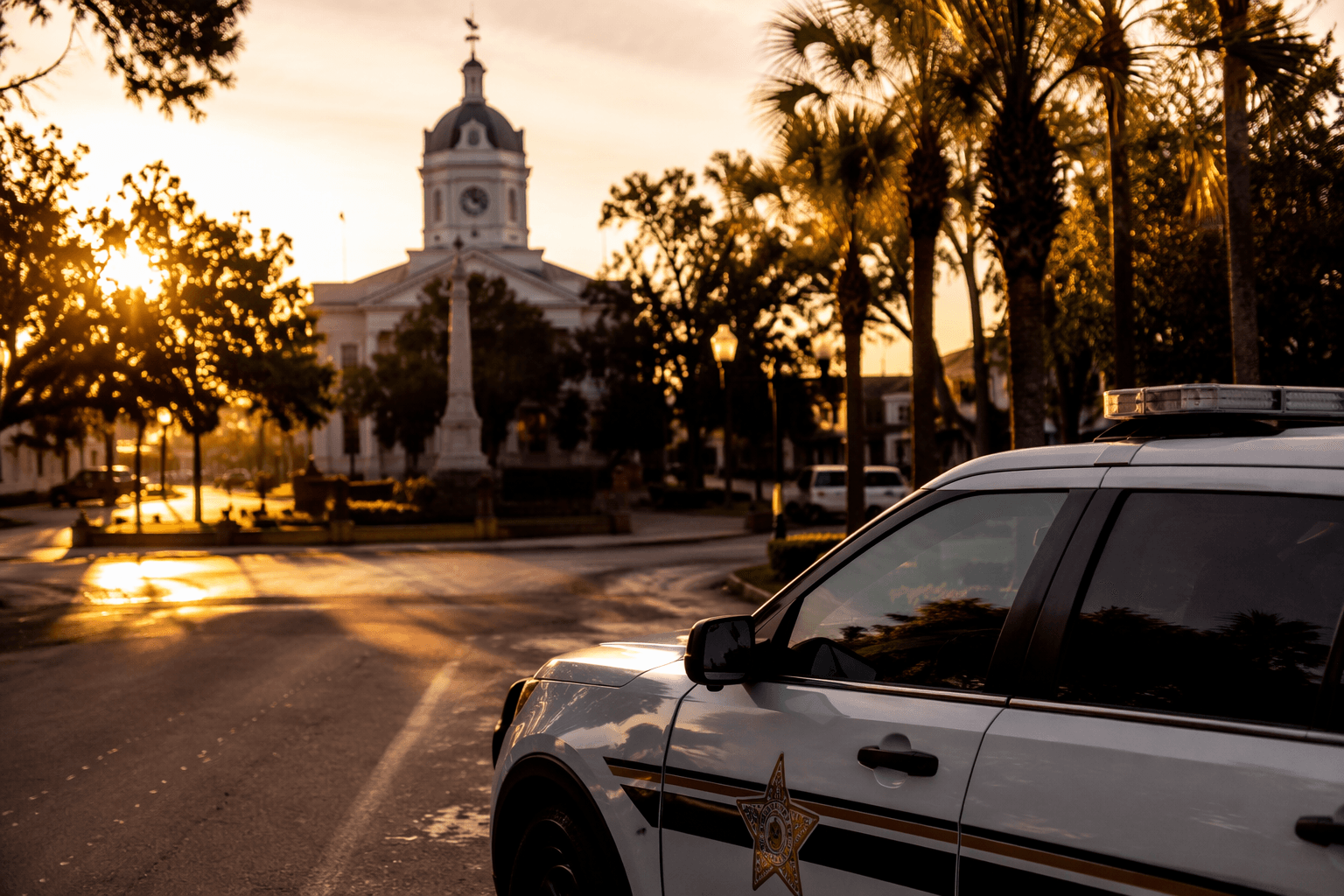
The Hernando County Sheriff’s Office said July 27 that deputies had arrested a cocaine trafficker and a convicted sex offender wanted by Washington authorities for more than 18 months, two cases that put narcotics enforcement and fugitive tracking back in the spotlight for Hernando County neighborhoods.
One of the arrests grew out of a traffic stop on July 24, 2026, the sheriff’s office said in a Facebook post titled “Traffic Stop Leads to Cocaine Trafficking Arrest On 07-24-2026.” A related post said deputies also found additional crack cocaine and drug paraphernalia. The case fits a pattern local residents have seen before in Spring Hill and other parts of the county, where traffic stops have led to drug arrests, including a separate Spring Hill case in which a woman was arrested for cocaine possession after a stop and a K-9 search.

The other arrest involved a convicted sex offender who had been wanted by Washington authorities for more than 18 months. The sheriff’s office said deputies took the person into custody in Hernando County, closing a fugitive case that had crossed state lines before ending here. For residents in Spring Hill, Brooksville, Weeki Wachee and Ridge Manor, that kind of arrest underscores how long-wanted offenders can move through the region before law enforcement catches up with them.
Hernando County booking pages say arrest information is only booking information and should not be relied on as a full criminal record or final outcome. The sheriff’s office also directs the public to the Florida Department of Law Enforcement’s sex offender and predator database and its neighborhood search map, tools many residents use to check who is living nearby and to monitor risks in their own subdivisions and apartment complexes.
Taken together, the two arrests show the same enforcement challenge from different angles: roadside drug activity that can spread through everyday traffic corridors, and fugitives whose past cases do not disappear when they cross into another state. For county residents, the immediate questions are whether deputies can keep intercepting both before they reach more neighborhoods, and how quickly the public can spot similar activity when it turns up close to home.
This article was produced by Prism’s automated news system from verified source data, official records, and press releases, then run through automated quality and moderation checks before publishing. The system is built and supervised by the people who set the standards it runs under. Read our full AI policy.
Did this article answer your question?