Hernando Homeowners Raise Concerns Over HOA Governance and Transparency
A Silverthorn Hernando homeowner detailed growing local concerns about homeowners association priorities, alleging a shift from property maintenance toward enforcement and rulemaking that leaves residents seeking greater financial transparency and clearer governance. The issues mirror statewide challenges and matter to Hernando County residents because they affect property values, assessments, and the day-to-day rights of homeowners.
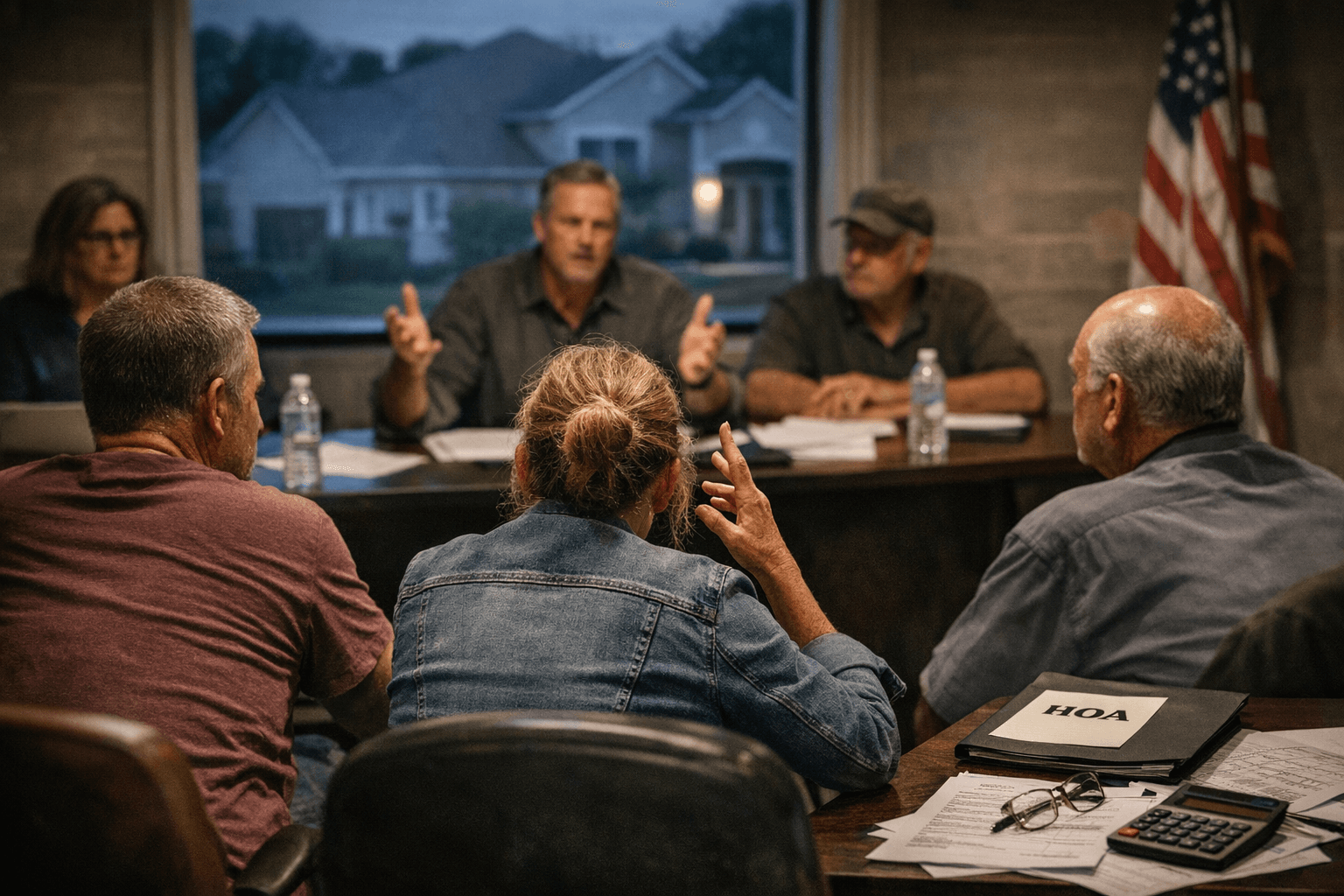
On January 3, 2026, a homeowner in the Silverthorn Hernando HOA in Spring Hill outlined a set of complaints that reflect broader tensions between residents and homeowners’ associations across Florida. The core concern: associations created to maintain shared property and manage common expenses increasingly appear to be acting like neighborhood governments, focusing on regulatory enforcement rather than upkeep of aged infrastructure.
Homeowners in Silverthorn and other communities reported disagreement over maintenance priorities, governance practices, and how governing documents are interpreted and applied. Governing documents typically authorize maintenance, repair, and administration of common areas, while reserving material changes to property rights or financial obligations for membership approval. When boards emphasize rulemaking while deferring infrastructure upkeep, residents say they are left questioning whether associations are fulfilling their foundational purpose.
Financial transparency emerged as a recurring issue. Homeowners seek clarity on how assessments and reserves are allocated and whether changes to budgets or cost allocation occurred with proper notice and member approval. Concerns include perceived inconsistencies in notice procedures and uncertainty about whether reserve funds are being used appropriately to address aging community infrastructure.
Many residents expressed reluctance to speak publicly about these issues, citing aggressive enforcement tactics, involvement of association legal counsel, and the perception that associations have substantially greater financial resources than individual homeowners. Whether those imbalances are real or perceived, the effect is to discourage public discussion and make transparency more difficult to achieve.
These local disputes have policy implications at the state level. Many homeowners support proposed legislative measures aimed at strengthening HOA transparency, accountability, and governance. Potential changes under consideration could affect disclosure requirements, member voting rights, budget approval processes, and rules around enforcement and legal fees. For Hernando County residents, legislative outcomes could influence assessment practices, protections for homeowners, and the balance of power between boards and members.
The practical impact on homeowners is measurable: disputed maintenance and budget decisions can influence property values, monthly assessments, and the cost of living within HOA communities. Civic engagement matters; homeowners are encouraged to stay informed, participate in public discussion, and communicate respectfully with elected representatives about issues affecting their communities.
At issue is a fundamental question facing communities statewide: were homeowners’ associations intended to govern people, or to maintain the property they were created to protect? The answer will shape local governance, community cohesion, and the financial obligations borne by Hernando County homeowners in the years ahead.
This article was produced by Prism’s automated news system from verified source data, official records, and press releases, then run through automated quality and moderation checks before publishing. The system is built and supervised by the people who set the standards it runs under. Read our full AI policy.
Did this article answer your question?