Hernando man arrested on federal child sexual abuse material charge
A Hernando man was arrested on Jan. 6 on a federal indictment alleging possession of child sexual abuse material. The case underscores local-federal cooperation to protect children.
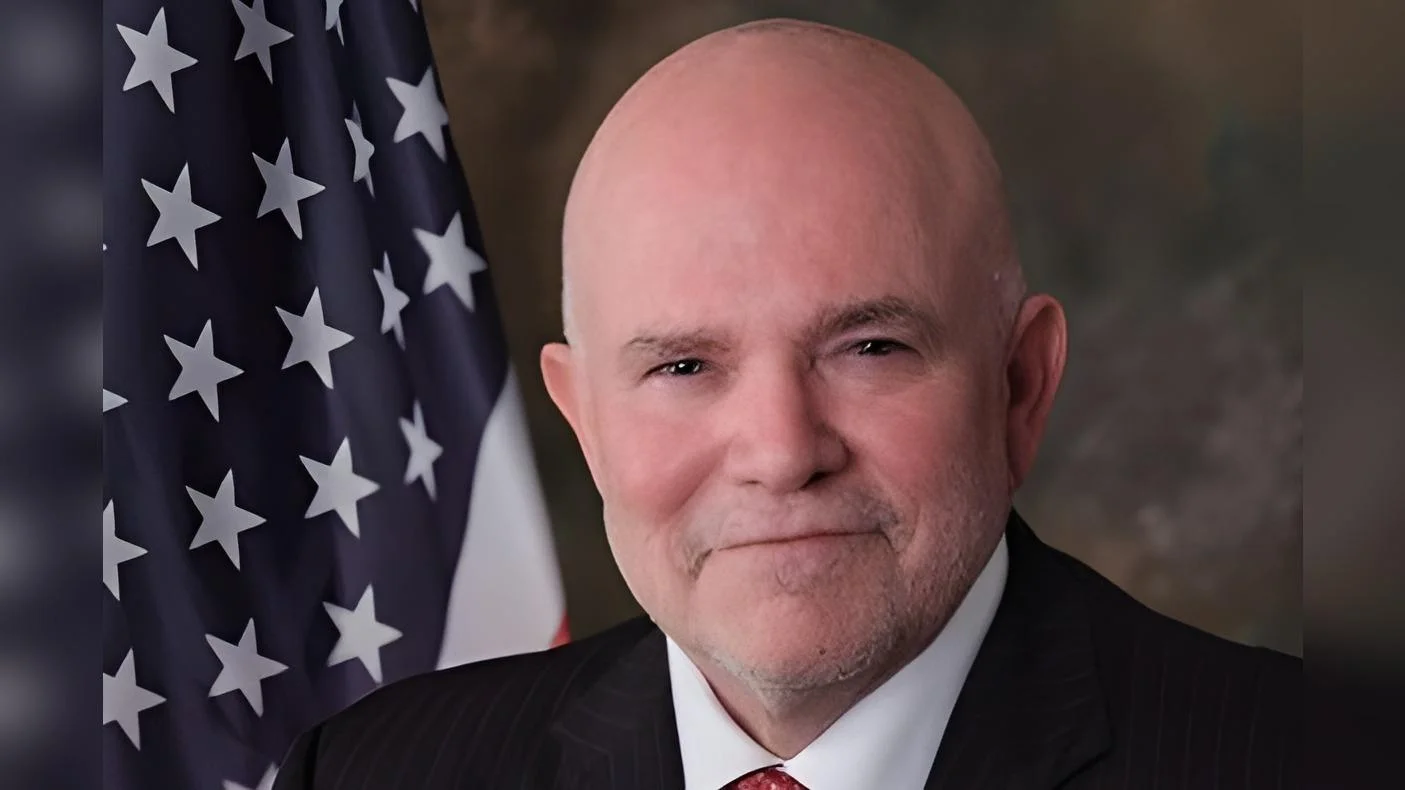
Richard Joseph Edstrom, 40, of Hernando, was arrested after a federal indictment charging him with possession of child sexual abuse material. The indictment alleges Edstrom possessed and accessed such material between March 2024 and October 2025. If convicted, he faces a statutory maximum of up to 10 years in federal prison.
The U.S. Attorney’s Office for the Middle District of Florida announced the arrest on Jan. 6 and identified the investigation as part of Project Safe Childhood, the Department of Justice initiative focused on combating child exploitation. The FBI, the Citrus County Sheriff’s Office and the Hernando County Sheriff’s Office worked on the investigation. Prosecution will be handled by Assistant U.S. Attorney Hannah Nowalk Watson.
Federal indictments are formal charges brought by a grand jury and do not themselves prove guilt. Edstrom is presumed innocent until proven guilty in a court of law. The case will proceed through the federal court system, where discovery, pretrial motions and possible plea discussions typically follow an arrest and indictment.
For Hernando County residents, the case has several immediate implications. First, it represents an intersection of local and federal law enforcement resources; the involvement of the FBI alongside county sheriff’s offices signals that federal statutes and investigative capacity are being applied to alleged digital child exploitation. Second, the timeline in the indictment, which covers more than a year and a half, highlights the persistence of online child sexual abuse material as a law enforcement priority and the technical challenges investigators face in tracking digital evidence across time and platforms.
The arrest also underlines practical steps families and community organizations can take to reduce risk. Parents and guardians should review device settings, privacy controls and the apps their children use. Schools, libraries and youth organizations can renew digital safety training and reporting protocols. If residents observe suspicious online behavior or possess information relevant to child exploitation, they should report it to local law enforcement or the FBI so investigators can evaluate leads and protect potential victims.
Project Safe Childhood has been used nationally to coordinate cases that cross jurisdictions and platforms; locally, that coordination means Hernando and neighboring counties have access to federal investigative tools that can be critical in complex digital cases. How agencies share information and support victims through prosecution will shape community confidence in the system as this case moves forward.
The takeaway? Stay vigilant, secure devices and report troubling activity to authorities. Our two cents? Protecting kids online starts at home and in our neighborhoods - when you see something off, say something to law enforcement so investigators can follow through.
This article was produced by Prism’s automated news system from verified source data, official records, and press releases, then run through automated quality and moderation checks before publishing. The system is built and supervised by the people who set the standards it runs under. Read our full AI policy.
Did this article answer your question?