Sheriff’s Office Marks Year of Reduced Shelter Population, Higher Live Releases
On Jan. 4, 2026, the Hernando County Sheriff’s Office marked one year since it took operational control of Hernando County Animal Services, reporting a sharp drop in shelter population and an improved live release rate. The changes signal operational shifts that affect local animal welfare, county resource allocation, and opportunities for residents to adopt, foster or reclaim pets.
On Jan. 4, 2026, the Hernando County Sheriff’s Office marked the one-year anniversary of its takeover of Hernando County Animal Services, reporting measurable declines in shelter population and improved outcomes for animals. The agency said the shelter population fell from 260 animals at the time of transition to 83 active animals as of Dec. 31, 2025, with foster placements dropping from 159 to 11. Officials attributed the reductions to proactive placement efforts and streamlined operations.
County figures show a 92.17 percent live release rate in 2025, surpassing the 90 percent industry benchmark for no-kill shelters and improving from an 85 percent rate recorded in 2023. Operational data for the year included 1,511 adoptions, 591 animals transferred to rescue organizations, 468 pets reunited with their owners, and 256 cats released through trap-neuter-vaccinate-return programs. The average length of stay for animals was 15.6 days. The sheriff’s office credited the addition of a full-time veterinarian for consistent on-site medical care as a factor in better outcomes.
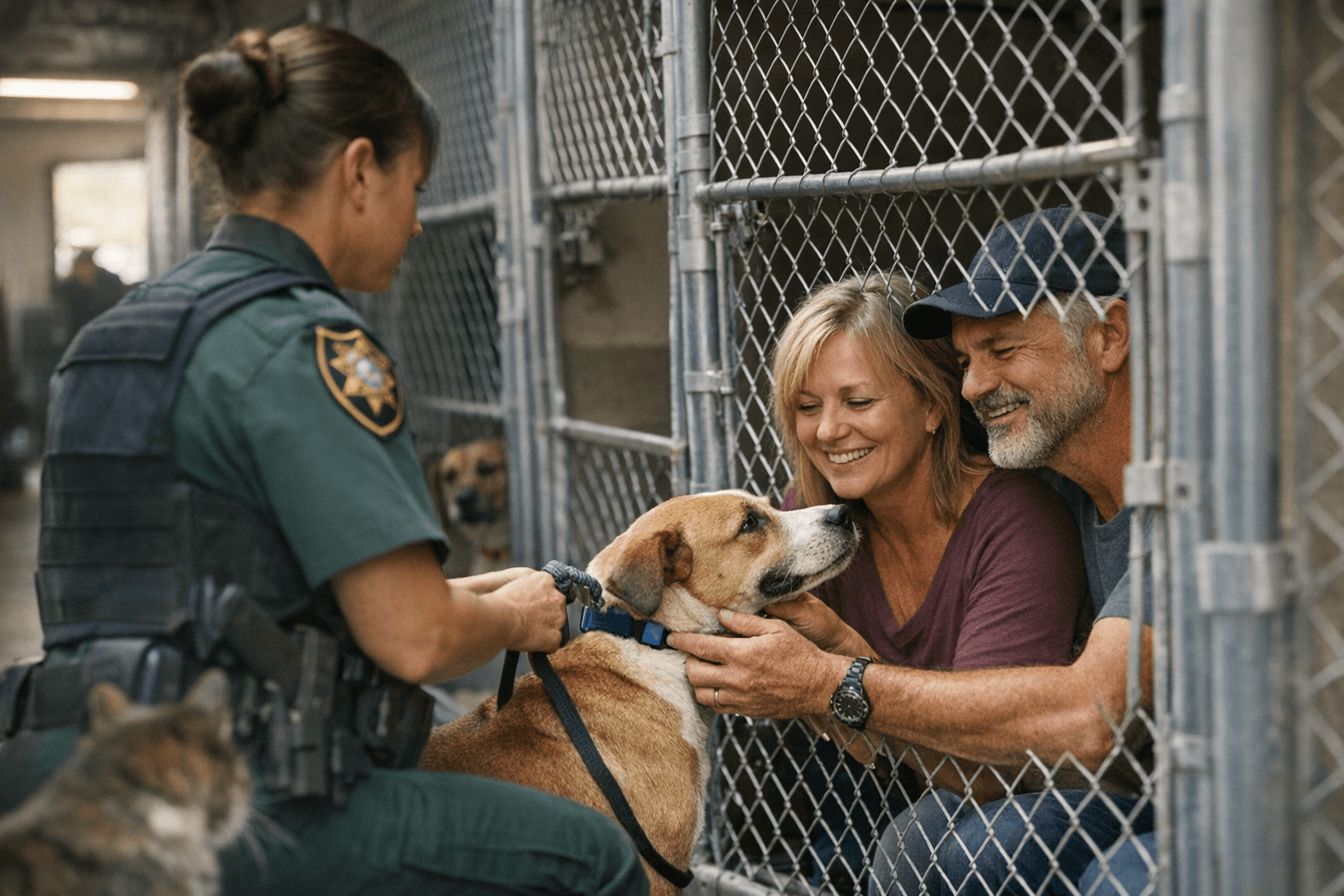
Leadership and volunteer contributions formed a central theme in the agency’s report. Animal Services is led by Director David Paloff, MAS, CAWA, who brings more than 25 years of executive leadership experience in public safety and animal welfare and previously served as chief executive officer of the Humane Society of Pinellas. Paloff also serves on the board of the Florida Association of Animal Welfare Organizations. The sheriff’s office also acknowledged volunteers for their role in achieving the first-year results.
For Hernando County residents, the operational shift carries several practical implications. Reduced shelter populations and shorter lengths of stay can lower disease risk and stress for animals, potentially improving adoption success and reducing long-term care costs. A higher live release rate signals stronger rescue and adoption networks, but sustaining those gains depends on continued funding for veterinary staff, volunteer coordination and partnerships with rescue organizations.
From an institutional perspective, the transfer of Animal Services to the sheriff’s office illustrates how county-level reorganizations can change service delivery and performance metrics. The results reported for 2025 will likely influence public expectations and decision-making around budget priorities, volunteer engagement and measures of accountability. Residents who are interested in animal welfare or who rely on county services for lost and found pets should monitor future reports on intake, outcomes and program funding to assess whether the improvements are durable.
This article was produced by Prism’s automated news system from verified source data, official records, and press releases, then run through automated quality and moderation checks before publishing. The system is built and supervised by the people who set the standards it runs under. Read our full AI policy.
Did this article answer your question?