Weeki Wachee Springs blends mermaids, wildlife and Old Florida history
Weeki Wachee's mermaids sit atop a 74-degree spring that still drives Hernando County's tourism, wildlife and water protections. Its history now shapes how the county balances access with stewardship.
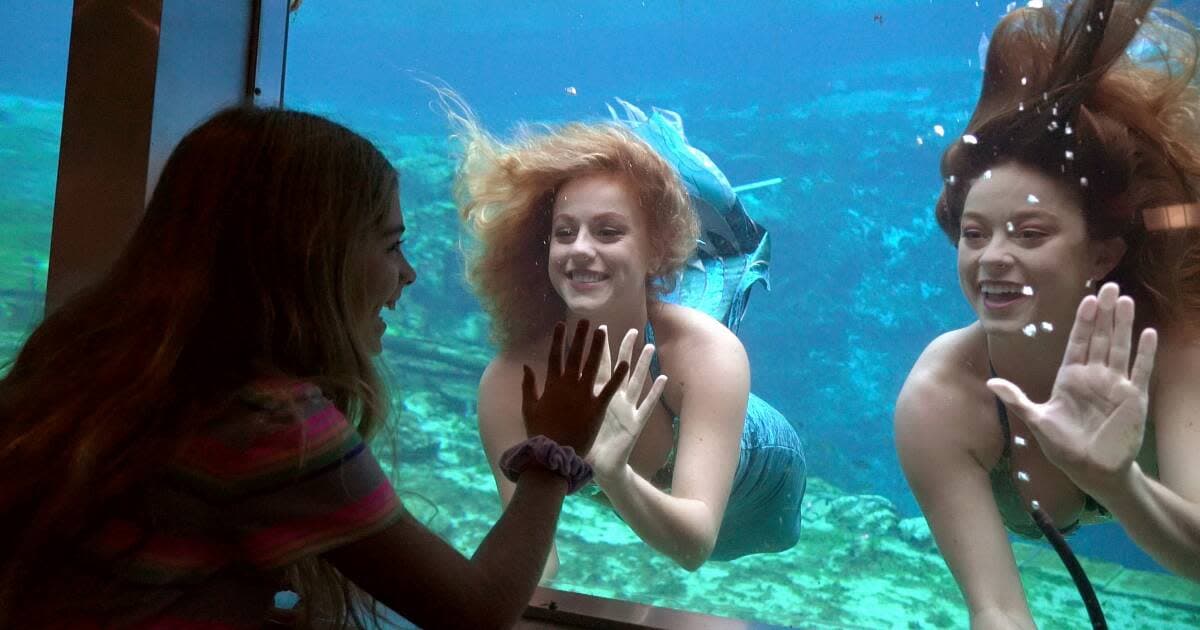
Weeki Wachee Springs still defines Hernando County because it is more than a postcard scene. The mermaid mythology sits on top of a real spring system that sends out more than 117 million gallons of 74-degree water every day, and that water now supports tourism, wildlife habitat and stricter environmental rules. At Weeki Wachee, what locals protect or lose is tied to the same place where families come for mermaids, paddling and classic Old Florida scenery.
A spring that made its own legend
The name Weeki Wachee comes from a Seminole word that means little spring or winding river, which fits the setting better than any brochure slogan could. The basin is about 100 feet wide, lined with limestone, and the current in the mermaid area runs about five miles an hour, fast enough to make the underwater stage feel alive rather than staged. That physical force is the reason the attraction never became just another roadside stop.
The first underwater show opened on October 13, 1947, after Newton Perry turned the spring into a spectacle with unusual ingenuity. Perry, a former U.S. sailor who trained Navy SEALs, cleared out old debris, experimented with underwater air hoses, and built an 18-seat theater into the limestone. Hidden air hoses in the scenery created the illusion that mermaids were breathing underwater, and that trick became part of Florida tourism history.
Why the geology matters as much as the show
Weeki Wachee’s appeal is tied to the land beneath the water. Florida State Parks identifies it as a site with the deepest freshwater cave system in the country, and explorers confirmed new passages in 2007. Florida Springs says that cave exploration reached depths of more than 400 feet below ground, giving the place a scale that goes far beyond its stage show.
That underground system is part of why the park was added to the National Register of Historic Places in 2020. The listing recognizes a place that is both cultural landmark and natural resource, a rare combination in Hernando County. The mermaid show, the cave network and the spring run all depend on the same geology, so any change to water quality or river flow affects the attraction and the ecosystem at the same time.

Wildlife, paddling and the new rules on the river
The park’s draw is broader than the mermaids. Florida State Parks says visitors may see endangered West Indian manatees while paddling, and the river corridor also supports bald eagles, mullet, cooter turtles, blue herons, wild turkey, deer and fish. That mix of species gives Weeki Wachee a public role that is bigger than recreation alone, because the same clear water that brings in visitors also serves as habitat.
The park’s paddling run is 2.8 miles long, and that route has become one of the clearest ways to see why the spring matters. Visitors can also take river boat cruises, see wildlife shows and spend time at Buccaneer Bay, where the park’s Old Florida identity meets a more family-focused tourism economy. The appeal is immediate, but the river’s condition determines whether that appeal lasts.
Hernando County’s Weeki Wachee River Springs Protection Zone is now a major part of that story. The zone covers 5.61 miles from Rogers Park to the headsprings, and vessel operators are prohibited from anchoring, mooring, beaching or grounding a vessel there. Violations can bring a $140 fine. County officials, the Florida Fish and Wildlife Conservation Commission and the Southwest Florida Water Management District have all framed the zone as a tool to protect vegetation, reduce damage and give manatees and other animals a better chance to move through the river.
The policy has not landed quietly. Residents and boaters have had mixed reactions to the restrictions, especially because the river has long been treated as an open-access playground. That tension is the point: Weeki Wachee is one of the few places in the county where tourism, conservation and everyday recreation collide in plain sight.
Restoring the river instead of only regulating it
Protection has also meant hands-on restoration. The Southwest Florida Water Management District says the Weeki Wachee Channel Restoration Project removed accumulated sediment from targeted parts of the river to re-establish historic depths and improve passage for manatees and other wildlife. The project is not cosmetic. It is an attempt to reverse years of buildup that narrowed habitat and changed how the river functions.
A 2025 restoration update showed the scale of that work in concrete terms. Crews planted 43,950 mechanical planting units, 660 peat pots and installed 132 GrowSAV exclusion devices across 8.79 acres between the state park and Rogers Park. Early monitoring showed strong survival, which matters because submerged aquatic vegetation is central to water quality and habitat recovery. The numbers show how much labor it takes to repair a beloved natural site once the damage is done.
What Weeki Wachee offers today
The attraction works because it bundles several experiences into one place:
- Classic mermaid performances in the spring’s aquamarine water
- River boat cruises through the spring-fed corridor
- Kayaking and paddleboarding on the 2.8-mile spring run
- Buccaneer Bay for visitors looking for a water-park day
- Wildlife viewing along a corridor that still carries manatees and birdlife
Visit Florida describes the river as family-friendly, and that is part of why the park continues to matter to Hernando County’s identity and tourism economy. Weeki Wachee is not just a memory of Old Florida. It is a living landscape where geology, showmanship, conservation and county policy all meet in the same current, and the future of the place depends on how well those pressures stay in balance.
This article was produced by Prism’s automated news system from verified source data, official records, and press releases, then run through automated quality and moderation checks before publishing. The system is built and supervised by the people who set the standards it runs under. Read our full AI policy.
Did this article answer your question?