Cortez weighs data center growth, local costs at county panel
Richard F. Cortez warned that data centers can bring jobs and tax revenue, but also strain Hidalgo County's power, water and land use if no rules are set first.

Hidalgo County is likely to feel the data center boom first through its bills, grids and land decisions, not just through job announcements. Judge Richard F. Cortez used a panel at the Texas Conference of Urban Counties to press the practical question facing rural communities: whether the promise of new investment will outweigh the long-term costs of heavier power demand, water use and public-service strain.
The setting mattered. The county judges and commissioners group represents 35 member counties and about 79% of Texas’ population, and its May 6-8 conference at Margaritaville Beach Resort in South Padre Island brought fiscal and policy questions into the same room as the state’s most powerful local officials. Cortez’s comments landed in the middle of a wider Texas debate about how much authority counties and cities actually have to slow down or shape data center proposals before the land, utility and tax deals are locked in.
That debate is already moving fast beyond Hidalgo County. Brookings said on March 2, 2026, that AI-driven data center proposals are rapidly pushing into rural America, while the World Resources Institute warned on February 17, 2026, that data center growth is reshaping local energy grids, water systems and land use. The Texas Tribune reported on February 13, 2026, that Texas local officials are questioning how much power they have to stop data centers at all.
For Hidalgo County residents, the stakes are concrete. A large data center can draw massive amounts of electricity, require steady water access for cooling and bring a wave of construction activity long before any permanent operating jobs appear. Tax incentives often become part of the pitch, but county officials then have to weigh whether those abatements justify the pressure on roads, utilities and public services.
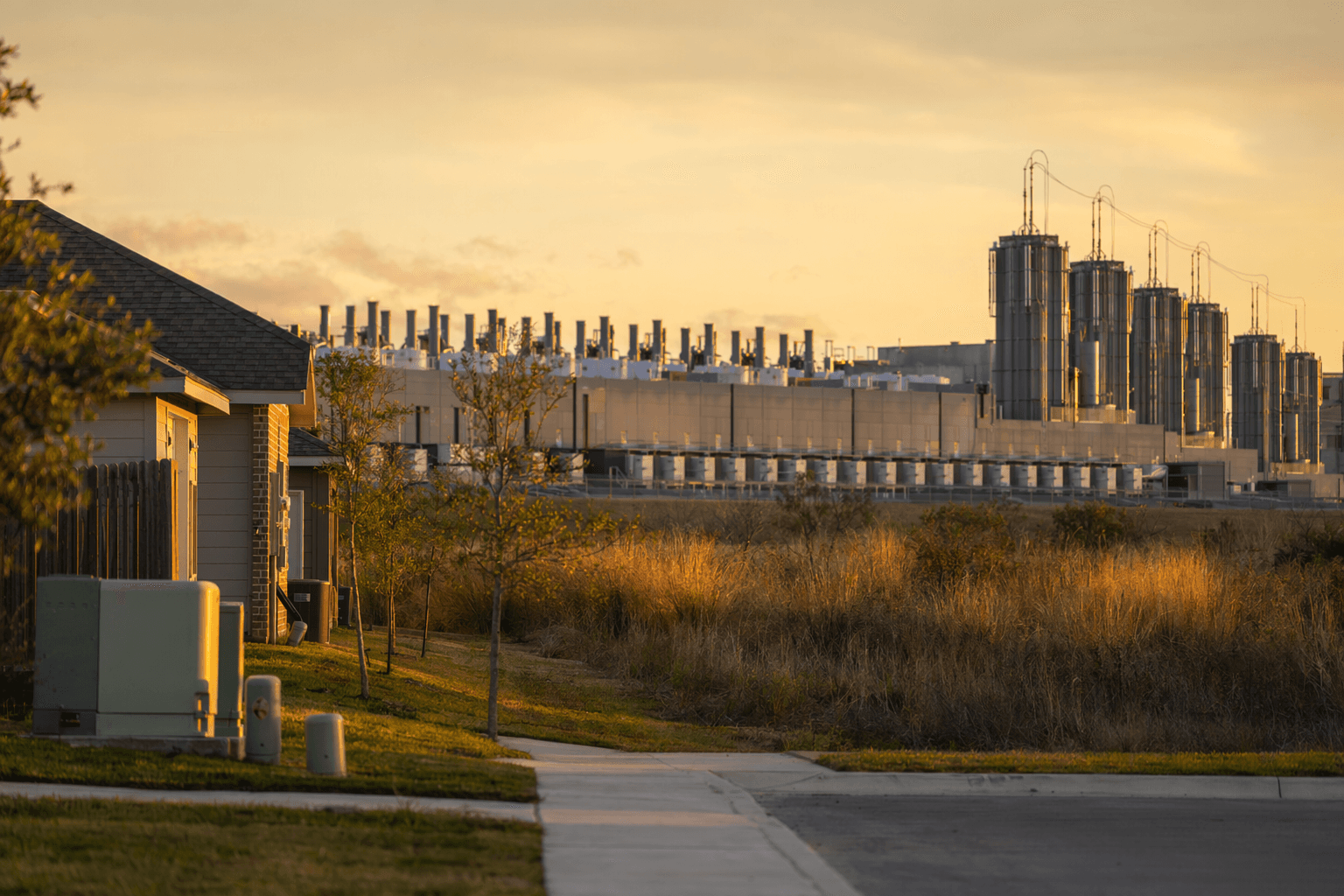
A nearby example shows why the debate has become so sharp. In Doña Ana County, New Mexico, Project Jupiter, tied to the Stargate Project, had already cleared financing in December 2025 and was projected to bring at least 750 full-time jobs and 50 part-time jobs within three years. Even there, opponents raised pollution and water-use concerns in a drought-afflicted region, a warning that resonates on the borderlands where water is already a political and economic issue.
Texas had 391 data centers as of October 2025, and rural counties are increasingly being targeted for new development. For Hidalgo County, the next test will be whether any proposal reaches the commissioners court, utility planners or economic development offices, and whether residents see it early enough to weigh in before the incentives, permits and infrastructure commitments are set.
Know something we missed? Have a correction or additional information?
Submit a Tip