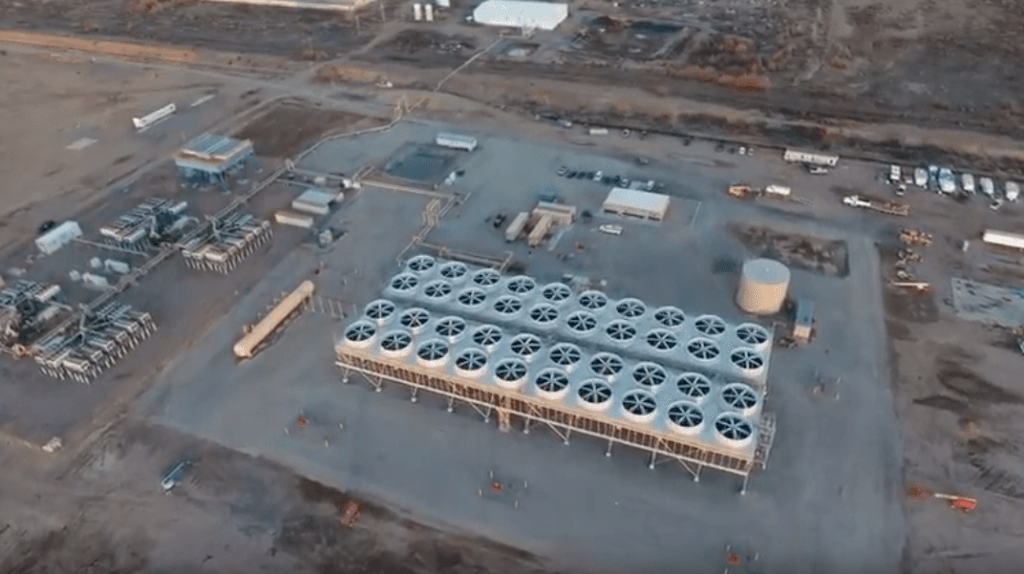
Energy Transfer Upsizes Transwestern Pipeline to 2.3 Bcf/d Capacity
Energy Transfer upsized the Transwestern Desert Southwest pipeline from 42 to 48 inches, pushing capacity to 2.3 Bcf/d and the price tag to $5.6 billion.
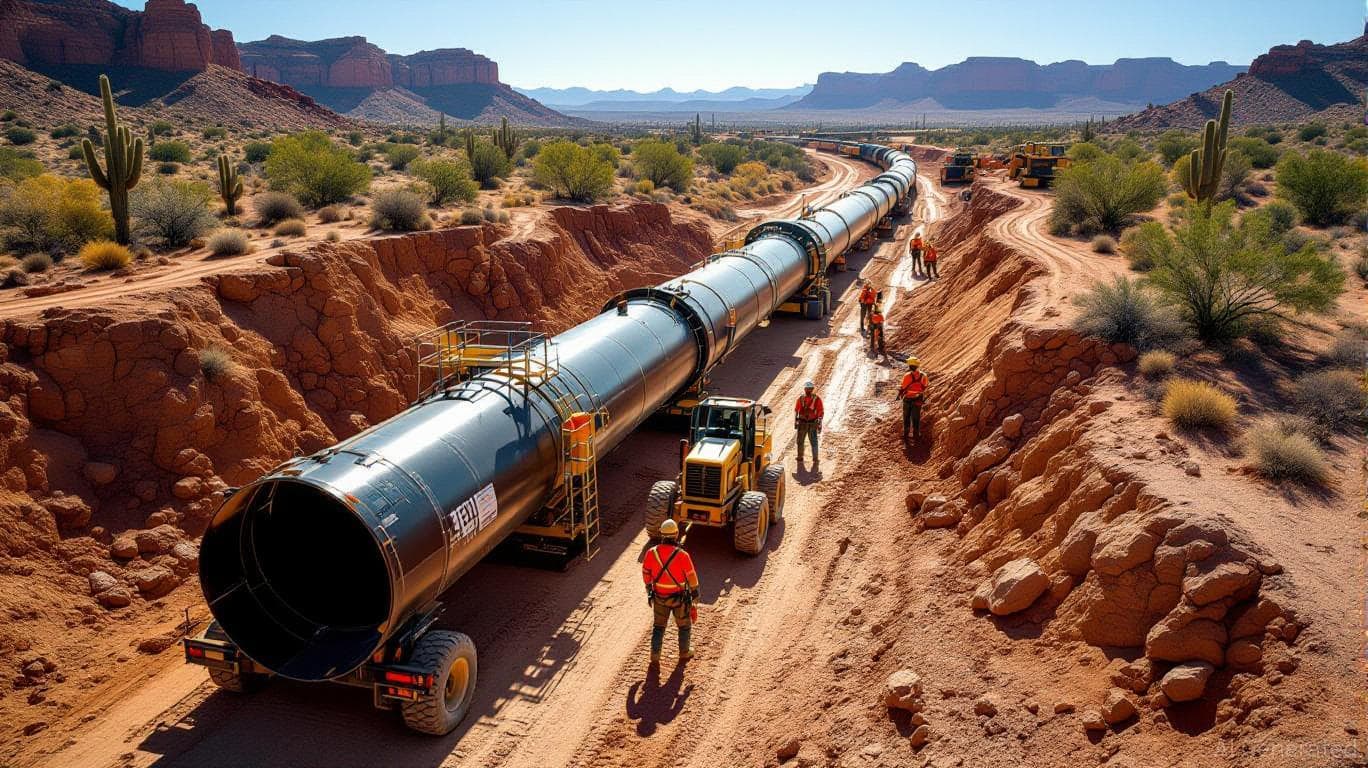
Energy Transfer announced in mid-December that it would increase the pipe diameter on its Desert Southwest expansion from 42 inches to 48 inches, pushing the project's capacity from 1.5 billion cubic feet per day to up to 2.3 billion cubic feet per day and raising the estimated construction budget to $5.6 billion, up $300 million from the $5.3 billion figure the company disclosed in August.
The 516-mile expansion, an extension of the existing Transwestern Pipeline system, will carry natural gas from the Permian Basin to six counties across southern New Mexico and Arizona, including Hidalgo County. The in-service target remains Q4 2029, and Energy Transfer said the announced route has not changed.
The upsizing followed strong demand from Arizona utilities. Arizona Public Service, identified as the pipeline's anchor customer in Arizona, committed to using the additional gas to power electricity plants serving data centers and industrial users. "Transwestern's Desert Southwest pipeline expansion is an important critical source of natural gas," said Ted Geisler, president of Arizona Public Service. "We look forward to Energy Transfer enhancing this project to enable greater resources across the region."

Most of the additional supply is destined for the Phoenix area and central Arizona, where an AI-driven data center buildout is straining electrical capacity. Arizona is home to 164 data centers, ranking seventh among all states. In 2024, natural gas accounted for 45 percent of Arizona's total in-state electricity generation, followed by nuclear at 27 percent and solar at 13 percent.
Energy Transfer has not fully locked in the final capacity figure. The company said ultimate output will depend on the final compression configuration and that "ultimate capacity … will be based on market demand," leaving open the possibility of exceeding 2.3 Bcf/d.
The upsized project is expected to cost nearly $5.6 billion, excluding the allowance for funds used during construction, and will push Energy Transfer's total growth capital expenditures for 2026 up approximately $200 million. The company is simultaneously pausing its capital-intensive Lake Charles LNG export project and redirecting capital toward pipeline expansions it views as offering superior risk-adjusted returns. Energy Transfer's strategy centers on securing long-term shipping contracts before construction begins, locking in fee-based revenue tied to contracted capacity and volumes transported.
Energy Transfer estimates 5,000 workers will be employed during construction and said only American-made steel will be used. The scale of the expansion reflects how far the Transwestern system has come since 2006, when Energy Transfer purchased the pipeline from CCE Holdings at a maximum capacity of roughly 0.7 billion cubic feet per day.
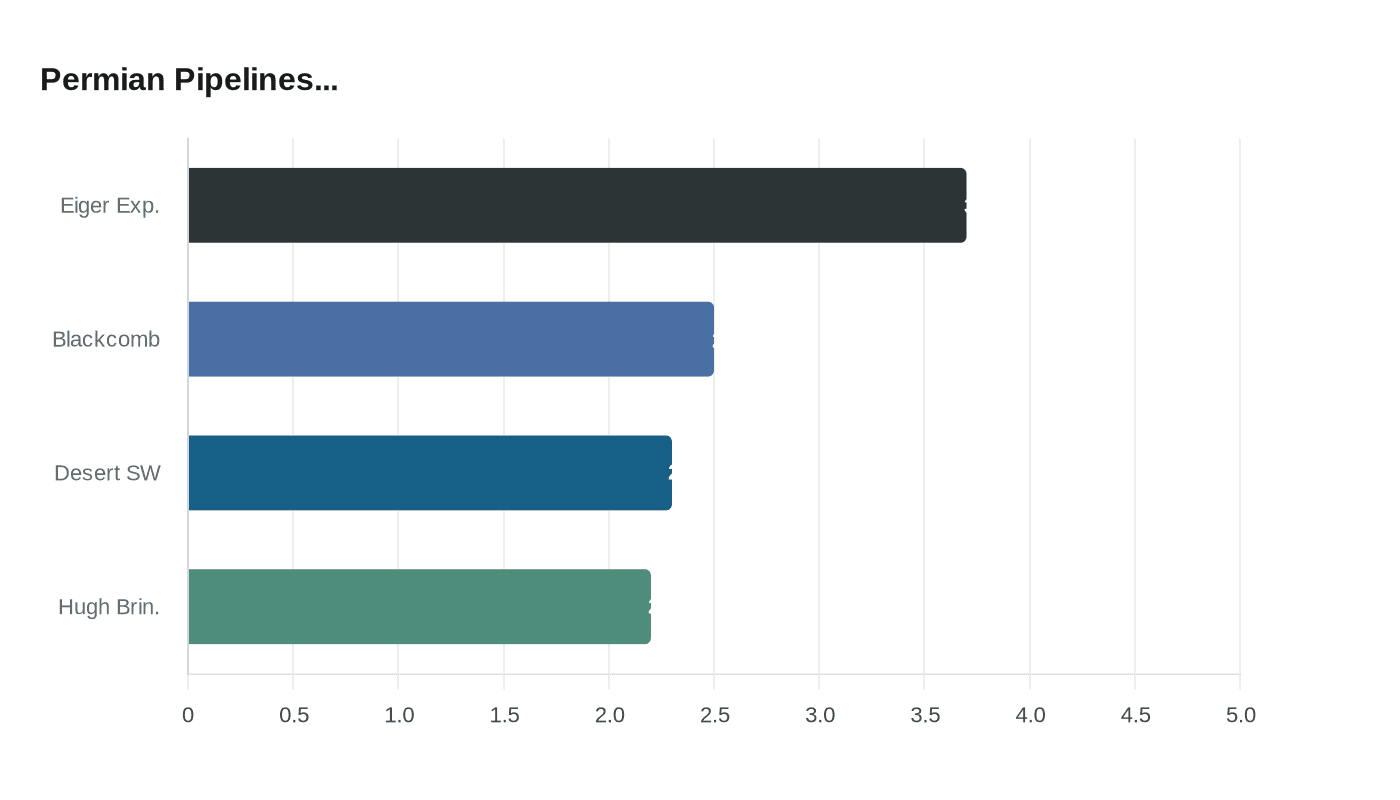
The Desert Southwest upsize is part of a broader wave of Permian Basin gas takeaway infrastructure. Industry analysts at East Daley now estimate more than 11 billion cubic feet per day of new egress capacity from the Permian through 2030, based on projects that have reached a final investment decision. That pipeline includes the Eiger Express at 3.7 Bcf/d, the Blackcomb Pipeline at 2.5 Bcf/d, and Energy Transfer's own Hugh Brinson Pipeline at 2.2 Bcf/d, all scheduled to start through 2027.
This article was produced by Prism’s automated news system from verified source data, official records, and press releases, then run through automated quality and moderation checks before publishing. The system is built and supervised by the people who set the standards it runs under. Read our full AI policy.
Did this article answer your question?