Hidalgo County chamber spotlights museums, ghost town and desert attractions
The chamber’s recreation page turns Hidalgo County into a usable day-trip list, led by the museum and Shakespeare Ghost Town, with Rodeo and Virden adding desert and heritage stops.
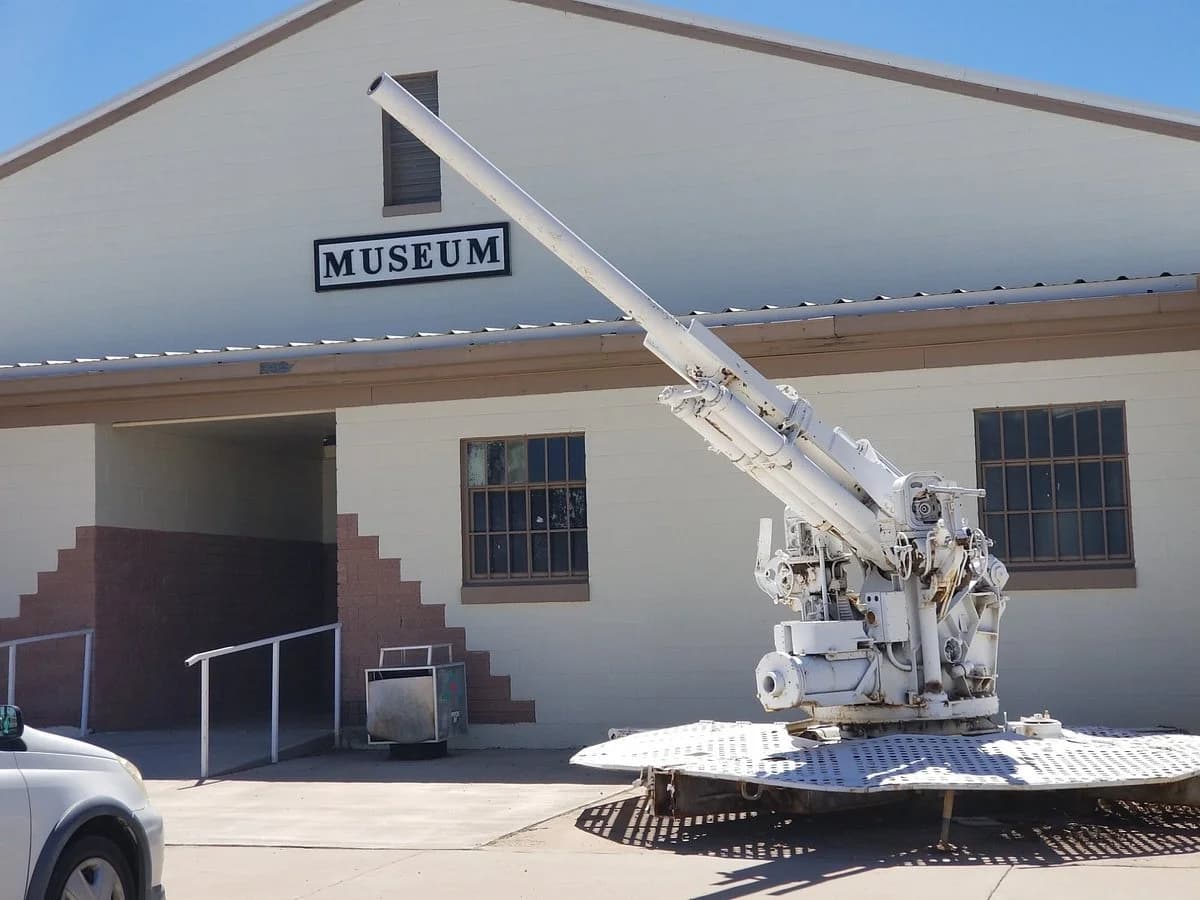
The Hidalgo County chamber’s recreation page is most useful when you need a fast, no-frills itinerary for the Bootheel. It puts the county’s best-known stops in one place, starting in Lordsburg with the Hidalgo County Museum, then moving to Shakespeare Ghost Town, the Chiricahua Desert Museum in Rodeo, the Chiricahua Gallery, Steeple Rock in Virden and the Lordsburg Hidalgo Library.
A practical starting point in Lordsburg
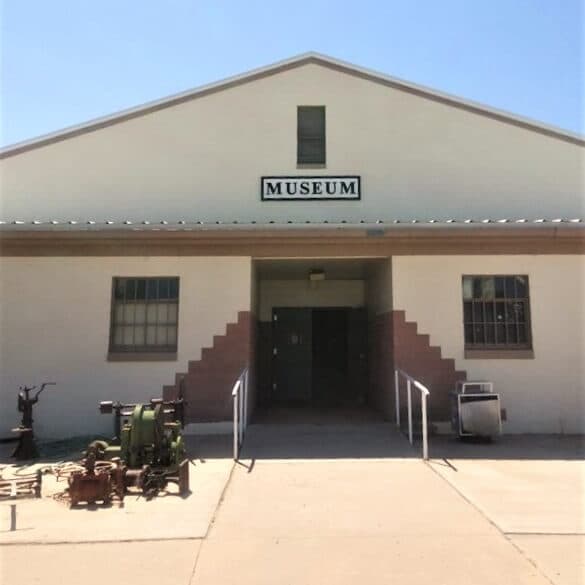
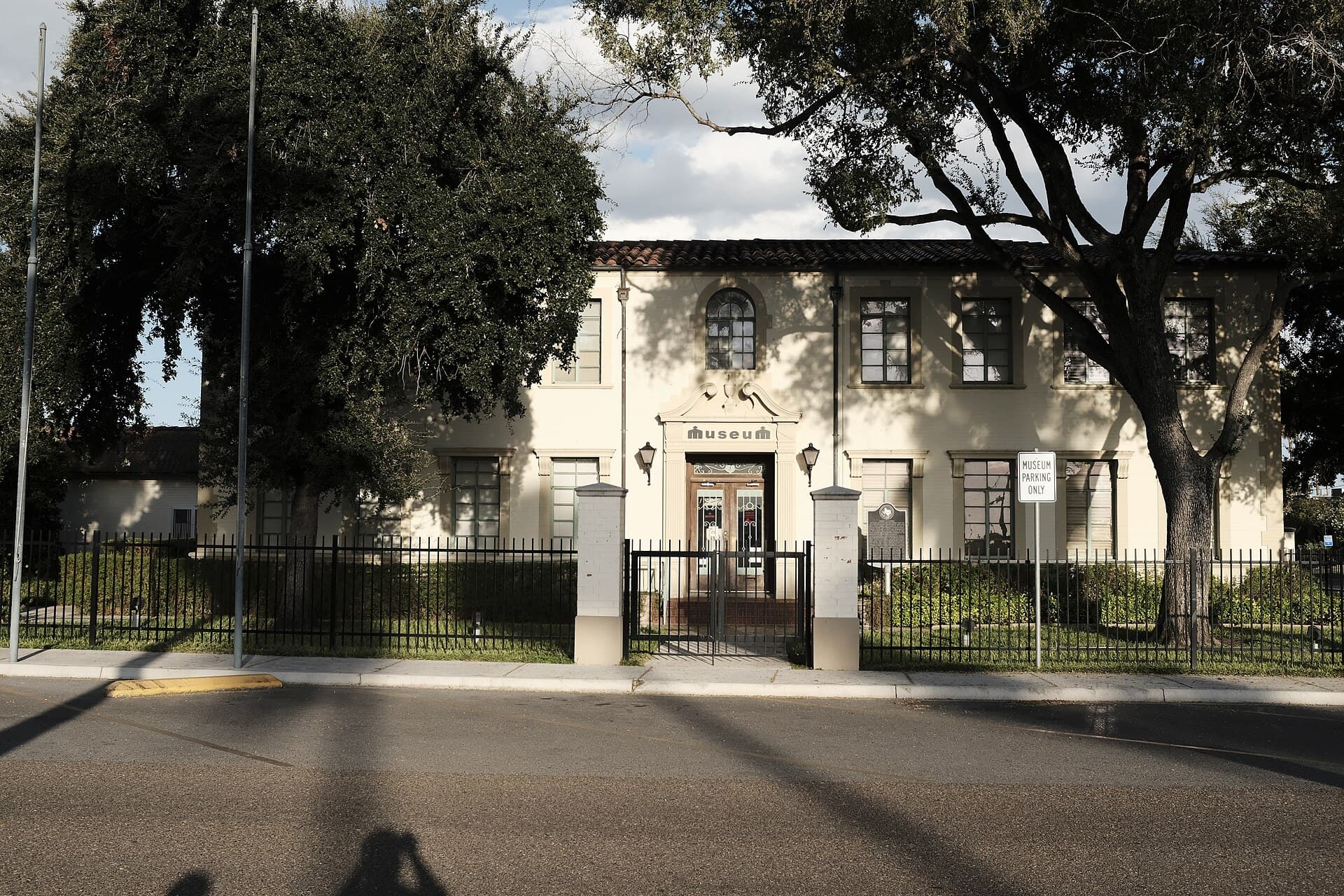
The clearest first stop is the Hidalgo County Museum in Lordsburg, because the chamber presents it as both free and locally rooted. It is a nonprofit museum, partly operated by volunteers and supported by new donations from residents, which makes it feel less like a polished tourist stop and more like a community collection that still depends on local buy-in.
That local character matters because the museum’s holdings are not small. The chamber says the collection includes thousands of artifacts, photographs and pieces of equipment dating back to the late 19th century, giving the museum real weight as a county history repository. For anyone trying to understand Hidalgo County beyond a drive-through, this is the stop that explains the place first.
The museum is also the best fit for a same-day visit if you want an easy, low-cost stop that works for a broad age range. Free admission and a broad historical collection make it the most obvious family-friendly anchor on the page, especially for residents looking for something close to home rather than a longer desert outing.
Shakespeare Ghost Town turns history into a walkable stop
If the museum is the county’s archive, Shakespeare Ghost Town is its most recognizable landmark. The chamber frames it as a place where visitors can walk streets tied to the history of figures such as Billy the Kid and John Ringo, and it notes 28 points of interest on site. That gives the stop a built-in structure for a half-day visit: it is not just a name on a map, but a walkable historic setting with enough marked features to hold attention.
The page also says Shakespeare includes a portion of the Butterfield Trail, which gives the ghost town a wider regional significance. In a county with a sparse population and a lot of open space, that kind of place-based history is part of the tourism draw and part of the local identity. It is the kind of stop that works for residents who want to show visiting family a piece of the county’s frontier past without making the trip feel overbuilt or staged.
For a weekend outing, Shakespeare is the place on the chamber page that feels most like a destination rather than a quick errand. The combination of history, recognizable outlaw-era names and multiple points of interest makes it the strongest single stop for people trying to build a shareable county itinerary.
Rodeo’s desert museum adds wildlife and a longer stay
The Chiricahua Desert Museum in Rodeo shifts the day from ghost-town history to desert ecology and unusual wildlife. The chamber describes it as a world-class destination with rare reptiles, which immediately sets it apart from the more traditional museum stop in Lordsburg. That makes it a strong option for families, school-age visitors and anyone looking for a more hands-on or visually distinctive outing.
The page also highlights a free wildlife and botanical garden, plus a gift shop. Those details matter because they make the stop feel more complete for a short trip: visitors can move from indoor exhibits to outdoor garden space without needing a long drive elsewhere for a second attraction. Free garden access also broadens the appeal for residents watching costs.
Rodeo is the kind of place that can anchor a same-day loop if you are already looking for a desert-focused visit rather than a county-history crawl. The museum’s mix of rare reptiles and botanical space gives the area a different kind of draw than Shakespeare or the county museum, and the chamber’s wording signals that it sees the stop as one of Hidalgo County’s more distinctive tourism assets.
The art stop is small, but it adds another layer
The Chiricahua Gallery rounds out the chamber page by showing that Hidalgo County’s attraction map is not only about frontier history and desert landscapes. The gallery is described as a nonprofit cooperative art gallery in a historic 1910 building, and it is part of the New Mexico Fiber Arts Trail. That puts it in a different category from the county’s museums and ghost town: it is a working cultural stop, not just a place for viewing objects from the past.
Its historic building gives the gallery added appeal for visitors who like architecture as much as art, and the fiber-arts connection gives it a defined niche. For residents, that makes it a useful stop to pair with another Ride-through-the-county outing, especially if you want to include something creative and community-based in a weekend plan.
The gallery also helps explain the chamber page’s larger value. It does not just collect attractions by geography; it shows the range of what Hidalgo County can offer, from historical interpretation to living art traditions. That variety makes the county feel less like a single roadside stop and more like a cluster of distinct local experiences.
Virden and the library show the county’s quieter anchors
Steeple Rock in Virden brings the page back to outdoor scenery and place-name recognition. Even without a long explanation, its inclusion signals that the chamber sees the county’s open land and landmark geography as part of the attraction mix. For visitors building a loop, it is the sort of stop that complements the museum and ghost town by adding a more landscape-driven element.
The Lordsburg Hidalgo Library is the other major community institution on the page, and its details make it more than a place to check out books. The chamber notes that it is a WPA-era building and home to more than 22,000 volumes plus special collections. That is a meaningful number for a county-sized institution and a reminder that public culture in Hidalgo County runs through civic buildings as much as through tourist sites.
Taken together, the museum, Shakespeare, Rodeo, the gallery, Steeple Rock and the library sketch a county whose public identity is built from heritage, desert geography and durable community institutions. The chamber page is especially useful because it gathers those places into one readable list, making it easier to turn a general interest in Hidalgo County into a same-day visit or a weekend plan.
This article was produced by Prism’s automated news system from verified source data, official records, and press releases, then run through automated quality and moderation checks before publishing. The system is built and supervised by the people who set the standards it runs under. Read our full AI policy.
Know something we missed? Have a correction or additional information?
Submit a Tip