Hidalgo County Magistrate Court Guide: What to Expect at Your Hearing
Missing a Hidalgo County Magistrate Court date in Lordsburg can trigger a bench warrant and arrest; here's exactly how to show up prepared.
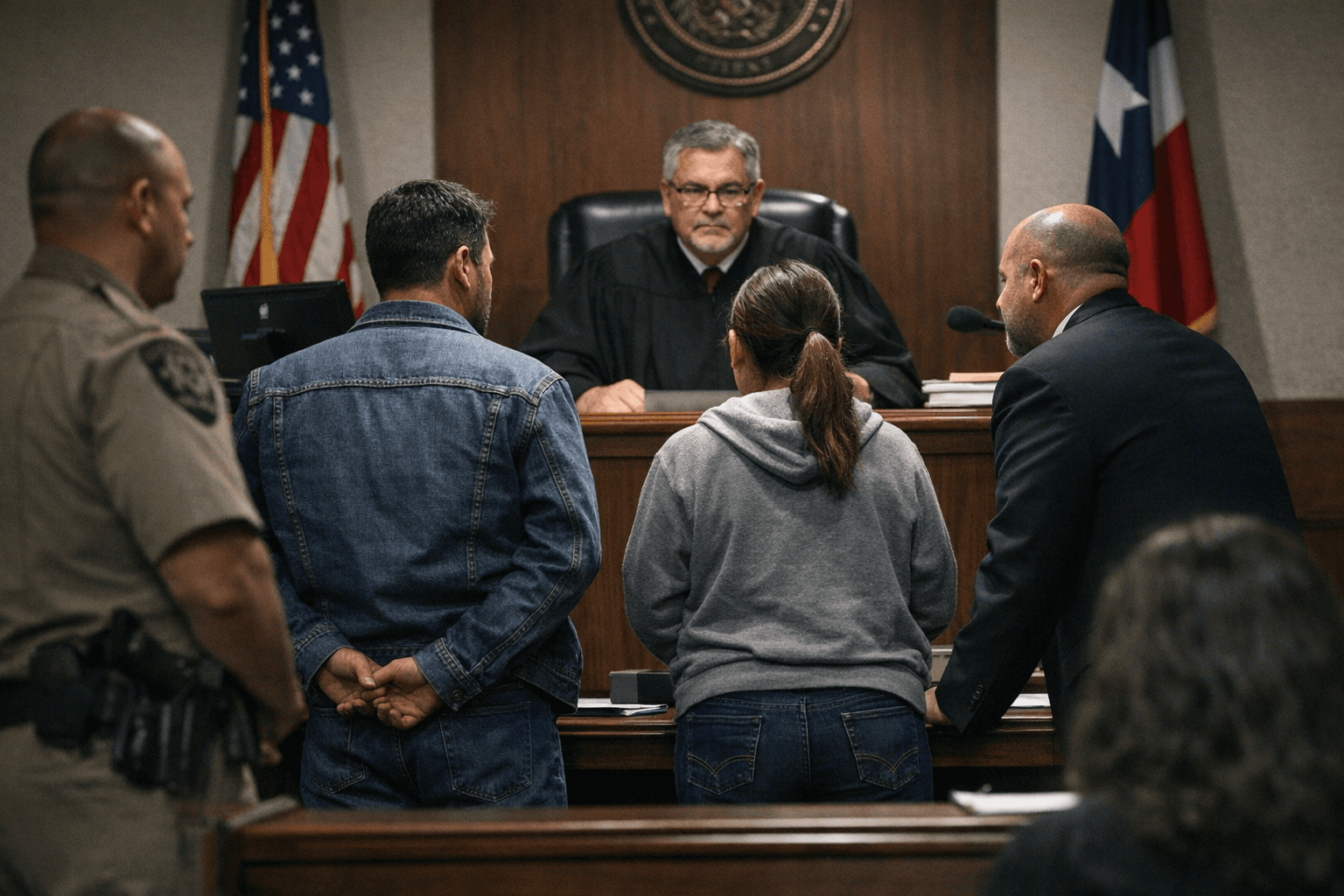
A single missed court date at Hidalgo County Magistrate Court in Lordsburg can set off a chain reaction: a bench warrant, additional fees, and potential arrest. For anyone navigating the Sixth Judicial District for the first time, whether as a defendant, a subpoenaed witness, or a family member trying to understand what happens next, knowing the procedural terrain ahead of time is the most effective form of preparation.
What Hidalgo County Magistrate Court Actually Handles
Not every case that starts here stays here. Hidalgo County Magistrate Court in Lordsburg handles initial appearances and arraignments for misdemeanor and traffic offenses, pretrial conferences, probation-related matters, and some preliminary hearings. If you have been charged with a traffic offense or a misdemeanor, or if you have been subpoenaed as a witness, your first scheduled court date will almost certainly be in this building.
Bond hearings also fall under the magistrate court's jurisdiction, and a judge can order conditions of release at those early appearances. Felony-level charges follow a different path: the magistrate docket typically contains the initial arraignment or probable-cause proceedings, but the case will move to district court for trial and sentencing. Understanding which court will ultimately handle your matter helps you track filings, deadlines, and future hearing dates accurately.
Before You Go: The 48-Hour Checklist
The single most common and preventable mistake is showing up on the wrong date, at the wrong time, or in the wrong courtroom. The Sixth Judicial District publishes a live docket on its website at sixthdistrict.nmcourts.gov, covering the current day plus six days into the future. Docket entries include case numbers and hearing types. Check yours within 48 hours of your scheduled appearance, not days in advance, because dates and times can shift.
Beyond confirming the schedule, assemble your documents before the day of the hearing:
- Government-issued photo ID (required for check-in)
- The original citation, complaint, subpoena, or any court filing related to your case
- Proof of insurance if your matter involves a traffic or vehicle-related offense
- Payment receipts if you have already paid a fine or completed a requirement
- Copies of any documents for the court and for the opposing party, if applicable
If you have retained an attorney, confirm explicitly whether you are expected to appear in person or whether counsel will appear on your behalf. Do not assume your physical presence is optional without that direct confirmation.
Victims and Witnesses: Additional Steps
If you are attending as a victim or witness rather than a defendant, the preparation process differs in important ways. Check whether the court offers privacy support or victim services before your hearing date. Bring contact information for the Hidalgo County District Attorney's victim-witness program, which can assist with procedural questions and support services.
If you require an interpreter, contact the clerk's office as early as possible, well before your hearing date. Many courts will arrange interpreter services when notified in advance, but last-minute requests can cause delays or continuances that extend your involvement in the process.
Accessibility accommodations follow the same logic: the earlier you notify the clerk, the more reliably the court can meet your needs on the day.
Day Of: Arrival, Security, and Courtroom Conduct
Plan to arrive at the Lordsburg courthouse at least 15 to 30 minutes before your scheduled hearing time. That window accounts for parking, any security screening at the entrance, and the time needed to locate the correct courtroom. Arriving late is one of the fastest ways to complicate your case before a word is spoken.
Once inside the courtroom, the rules are straightforward but non-negotiable:
- Silence your phone completely; having it visible and active is a disruption
- Do not speak out of turn or interrupt proceedings
- Stand when the judge enters or when you are addressed
- Follow the judge's directions promptly and without argument
Courtroom decorum is not formality for its own sake. Judges in magistrate court move through a compressed docket. Disruptive behavior slows proceedings, draws negative attention to your case, and can influence how a judge perceives your conduct overall.
What Happens at the Hearing: Common Outcomes
Magistrate court hearings rarely resolve in a single appearance, and first-time attendees are often surprised by how brief the initial proceeding can be. Typical outcomes include:
1. Continuance: The hearing is rescheduled to a new date, often because documentation is pending, a party needs more time, or the docket is full. Before leaving the courthouse, confirm the new date in writing.
2. Plea entry: For minor charges, the judge may accept a guilty or no-contest plea at the first appearance, often accompanied by a fine or conditions.
3. Dismissal: If the charging document is defective or a party fails to appear, the judge may dismiss the matter.
4. Fine or infraction penalty: Traffic infractions and minor violations frequently resolve with a monetary penalty and payment deadline.
5. Conditions of release: At bond hearings, the judge may set or modify release conditions such as check-ins, travel restrictions, or substance testing.
6. Transfer to district court: Felony matters will move forward to the Sixth Judicial District Court after probable-cause proceedings conclude.
If your case is continued or transferred, do not leave without the new hearing date confirmed and written down. Verify whether that next date is in magistrate court or in district court, because showing up at the wrong building counts the same as not showing up at all.
After Your Hearing: Orders, Deadlines, and Follow-Up
The work does not end when the judge leaves the bench. If the court entered an order, fines carry payment deadlines that are legally binding from the moment they are issued, not from when you happen to remember them. Request a copy of any order from the clerk's office before you leave the building.
For disposition records and case status, the clerk's office is your primary point of contact. The Sixth Judicial District's public information pages explain how to obtain certified copies of orders and how to track case status through the court's online portal.
Getting Help: When to Ask the Clerk, When to Call a Lawyer
The clerk's office at Hidalgo County Magistrate Court can answer procedural questions: how to file a document, where to pay a fine, how to request a hearing date, and what forms are required for a specific type of motion. Clerks cannot give legal advice, and asking them to interpret whether you should plead guilty or how to argue your case crosses that line.
If your matter involves potential jail time, license suspension, a criminal record, or any outcome that affects your employment or immigration status, consult an attorney before your hearing, not after. The Sixth Judicial District's website includes contact information for the court and links to resources that can help connect you with legal assistance.
For interpreter or accessibility needs, contact the clerk directly and as far in advance as possible. The court's general information pages outline how to make those requests formally so they are on record ahead of your appearance.
The Sixth Judicial District's docket page and general court information resources are available at sixthdistrict.nmcourts.gov. Treating that page as your first stop, not a last resort, is the lowest-cost investment you can make before any hearing in Lordsburg.
This article was produced by Prism’s automated news system from verified source data, official records, and press releases, then run through automated quality and moderation checks before publishing. The system is built and supervised by the people who set the standards it runs under. Read our full AI policy.
Did this article answer your question?