Lordsburg Museum Preserves County's Railroad, Ranching, and Military Heritage
Camp Lordsburg's WWII internment history and a cattle ranching Hall of Fame anchor a volunteer-run museum at 710 E. 2nd Street that's free or low-cost to visit.
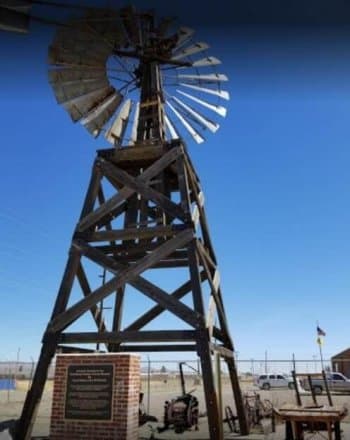
Few small-county museums pack as much layered history into a single building as the Lordsburg-Hidalgo County Museum. Tucked at 710 E. 2nd Street in Lordsburg, the county seat, this volunteer-operated nonprofit holds artifacts spanning the railroad era, the ranching frontier, silver mining camps, and one of the more unsettling chapters of American wartime history: Camp Lordsburg, the site used as an internment and prisoner-of-war camp during World War II. For a county as sparsely populated as Hidalgo, the museum functions as both cultural infrastructure and a working civic space where school groups and out-of-town visitors encounter stories that rarely surface in national histories.
Railroad Heritage at the Core
Lordsburg grew because of the railroad, and the museum's collections reflect that origin clearly. Extensive railroad history artifacts document how the Southern Pacific line transformed what had been open Bootheel desert into a functioning town and regional service hub. The holdings include objects, documents, and displays that trace the railroad's influence on settlement patterns, commerce, and the daily rhythms of life in southwestern New Mexico. For anyone traveling I-10 through the region today, the exhibits offer immediate context: the same corridor that carries interstate traffic once moved passengers and freight through one of the more isolated stretches of the American Southwest, and Lordsburg was a critical node on that route.
Ranching and the Cattle Growers Hall of Fame
The Hidalgo County Cattle Growers Association Hall of Fame room is one of the museum's more distinctive features. Ranching has shaped the county's economy and social fabric for well over a century, and this dedicated space honors the families and individuals who built that industry across the Bootheel's rough terrain. Antique tools and ranching displays complement the Hall of Fame exhibits, grounding the history in the physical labor and material culture of the trade. Taken together, the ranching collections serve as a genealogical and historical record for families whose roots run deep in the region, many of whom donated the artifacts themselves.
Mineral, Rock, and Bottle Collections
Hidalgo County sits at the edge of New Mexico's silver mining frontier, and the museum's mineral and rock collections gesture toward that extractive past. The specimens on display connect visitors to the nearby silver camps that once drew prospectors and small operators into the surrounding hills. Alongside the geological material, bottle collections add another dimension to the frontier narrative: glass bottles recovered from early settlements and commercial sites are modest objects that nonetheless document the material life of a community before modern supply chains reached this corner of the territory. These collections appeal both to serious researchers and to casual visitors who find tangible artifacts more immediate than printed text.
Camp Lordsburg: A WWII History the County Carries
The most historically charged section of the museum centers on Camp Lordsburg, which operated during World War II as both an internment facility and a prisoner-of-war camp. This is territory that mainstream American military histories often pass over, and the museum's dedicated display fills a genuine gap. The exhibit draws on locally preserved material to document what the camp was, who was held there, and what that experience meant for the people involved and for the surrounding community. Museum operators describe the institution as "dedicated to preserving our past for our future," and nowhere is that mission more pointed than in the Camp Lordsburg display, which asks visitors to reckon with a wartime chapter that intersects federal policy, civil liberties, and local memory in ways that remain relevant today.
Planning Your Visit
The museum operates on weekday hours and depends on volunteer staffing to open its doors to the public. Because scheduling can shift, calling ahead or checking the City of Lordsburg's municipal website before making the trip is strongly advised. Admission is free or low-cost; confirm current details with museum staff when you call. The 2nd Street address puts the museum in a central, accessible part of Lordsburg, with straightforward access from I-10, making it a practical stop for anyone passing through the Bootheel rather than a detour that requires significant extra mileage.
If you're building an itinerary around the area, the museum pairs naturally with Shakespeare Ghost Town, one of New Mexico's most intact frontier settlements, and with Lordsburg Playa, which draws birders during migration season. Spending a morning at the museum and an afternoon at Shakespeare covers two completely different registers of Hidalgo County history in a single day. For researchers and family historians, the museum's holdings of locally donated documents and objects offer primary-material access that no digital archive can replicate.
Why This Museum Matters Beyond Tourism
For planners and funders thinking about economic development in a small rural county, the Lordsburg-Hidalgo County Museum represents a modest but real cultural asset. It supports visitor traffic that complements the outdoor recreation and ghost-town tourism already drawing people to the Bootheel. As a nonprofit with deep community roots and an all-volunteer operating model, it is also a natural candidate for small preservation grants and heritage programming funds that tie cultural infrastructure to regional economic development goals.
For residents, particularly those with family histories tied to the railroad, the cattle industry, or the mining camps, the museum is a local classroom where those connections are documented and displayed rather than left to fade. The breadth of its collections, from Hall of Fame honorees to wartime internment records to geological specimens, makes it a compact but genuinely comprehensive primer on what shaped Hidalgo County into the place it is. That combination of scope and community ownership is harder to replicate than any single artifact in the building.
This article was produced by Prism’s automated news system from verified source data, official records, and press releases, then run through automated quality and moderation checks before publishing. The system is built and supervised by the people who set the standards it runs under. Read our full AI policy.
Did this article answer your question?