U.S. Fish & Wildlife Seeks Public Input on Rare Bootheel Plant Recovery
Endangered swale paintbrush survives at just one U.S. site, in the Animas Valley; Hidalgo County ranchers have until April 23 to shape the federal recovery rules.
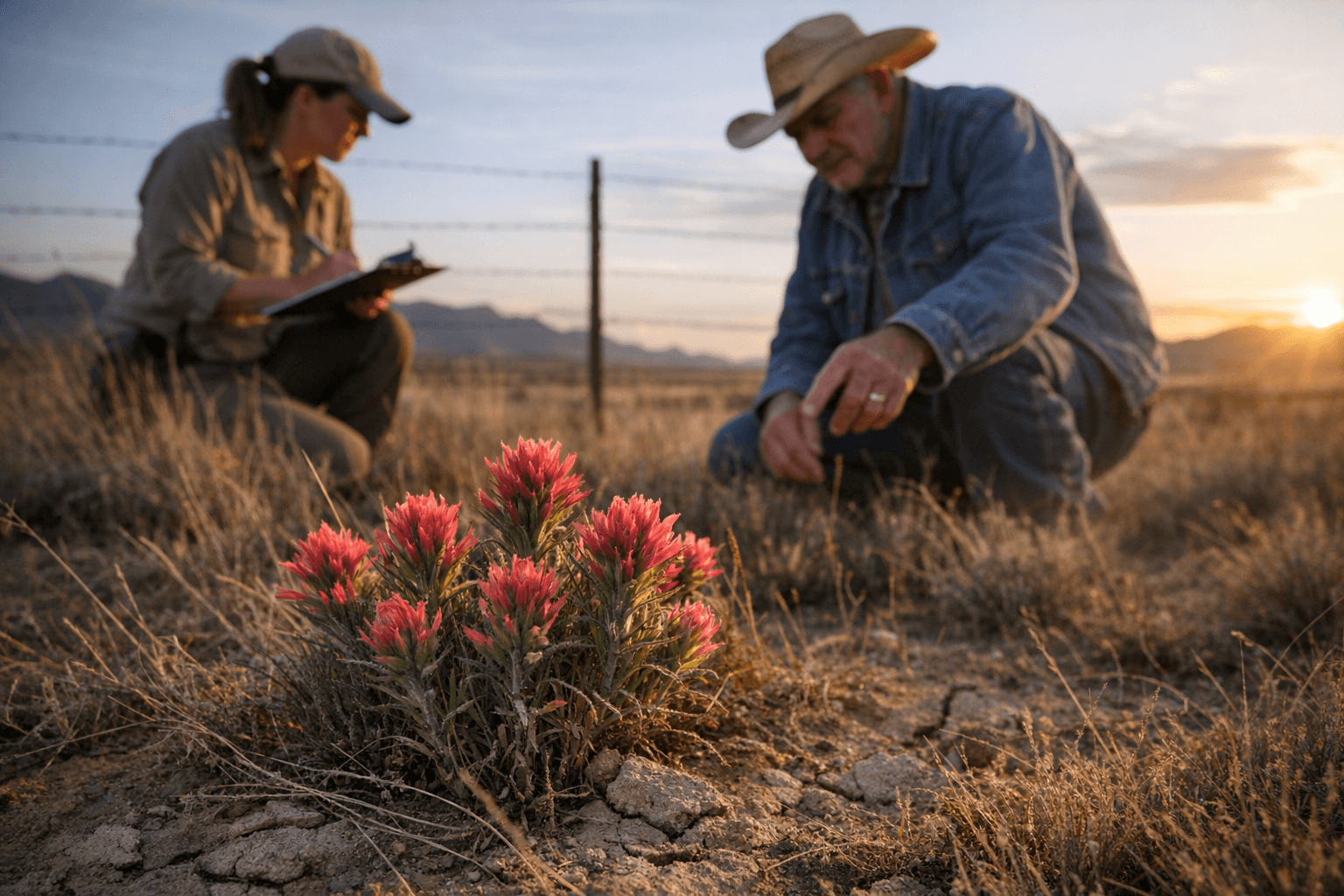
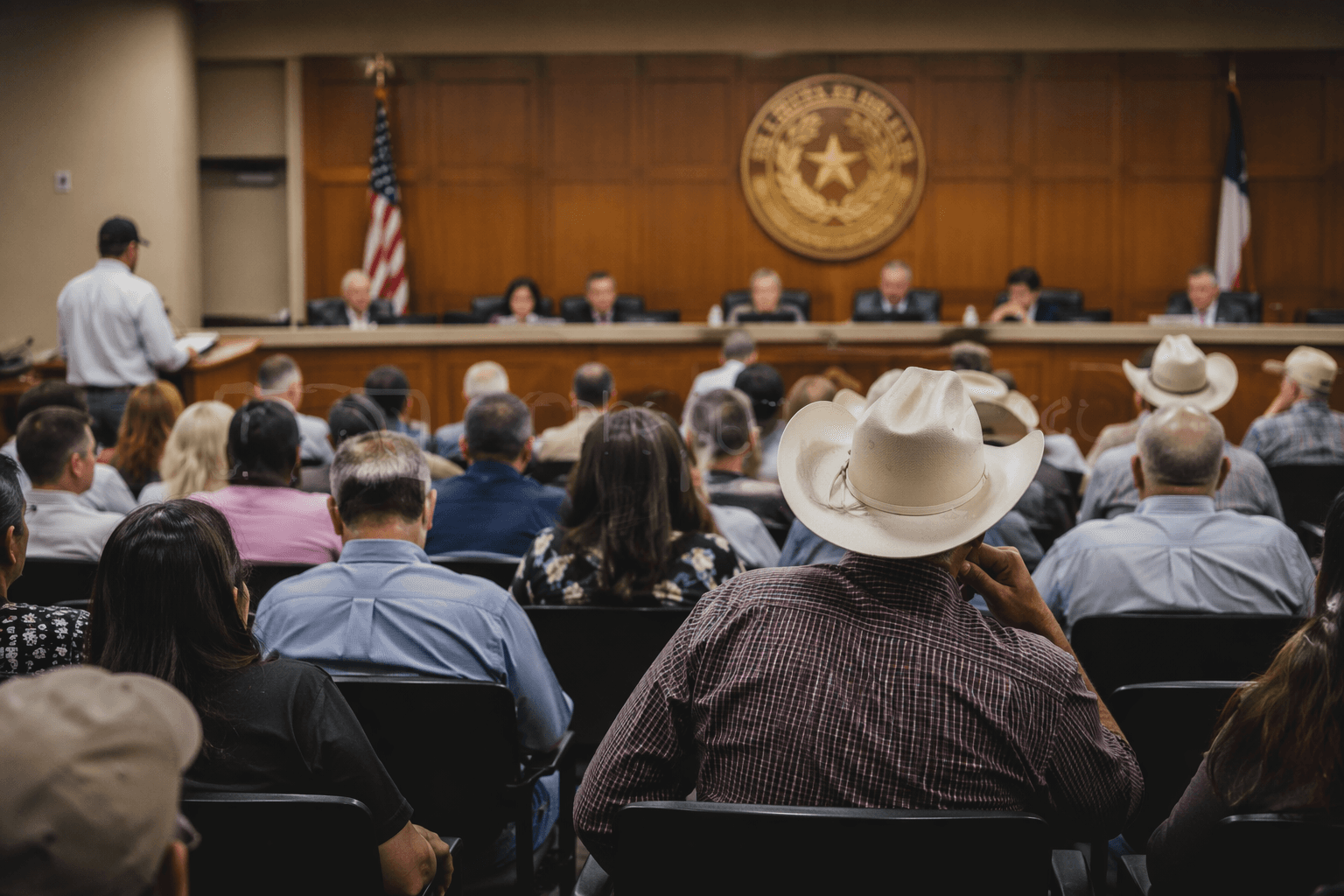
The swale paintbrush grows at exactly one confirmed location in the United States: the Gray Ranch in the Animas Valley of Hidalgo County. The U.S. Fish and Wildlife Service has released a draft recovery plan for the endangered plant and is asking Bootheel ranchers, landowners, and local governments to weigh in before an April 23 comment deadline.
FWS published the draft on March 24. The full plan is posted at the agency's environmental conservation online system at ecos.fws.gov, and written comments are accepted through that portal or through the New Mexico Ecological Services Field Office.
The stakes for Hidalgo County landowners are concrete. The swale paintbrush is a hemiparasitic annual that depends on native grassland species, specifically alkali sacaton and blue grama, both grasses that anchor Bootheel grazing range. FWS has identified surface disturbance, grazing pressure, and water diversion during the plant's growing season as primary threats to its already-precarious seedbank. That language carries weight for ranchers operating near the Animas Valley: if the agency proceeds to designate critical habitat around the Gray Ranch site and adjacent suitable swales, nearby grazing leases, water-use infrastructure, and development permits could face new consultation requirements under the Endangered Species Act.
The draft calls for expanded population surveys, habitat monitoring, and cultivation at conservation facilities as a hedge against the plant's single-site vulnerability. Swale paintbrush was formally listed as endangered in December 2024 after surveys confirmed no surviving populations outside the one Animas Valley swale. The species was historically documented at 13 sites spanning southern New Mexico and the Sierra Madre Occidental of Chihuahua and Durango, Mexico; a BLM botanist first rediscovered it in the early 1990s after scientists had assumed it existed only in Mexico.
What FWS most needs from Bootheel stakeholders is ground-level information the agency cannot generate from its Albuquerque office. Landowners with property near known or suspected swale habitat should document where seasonal wet grasslands occur on their acreage, note which access roads cross those areas and during which months, and describe existing grazing rotations and water-use patterns. That kind of site-specific data, submitted before April 23, can shape how the final plan draws boundaries and sets seasonal work windows, keeping rules calibrated to actual conditions rather than desktop mapping.
Recovery planning also opens doors. The Endangered Species Act framework includes voluntary conservation agreement programs that can bring FWS technical assistance and grant funding to participating landowners without mandatory compliance. Coordinating now with the New Mexico Department of Game and Fish can help Hidalgo County position itself for those resources before any regulatory provisions harden.
The April 23 deadline is the most consequential near-term window for Bootheel landowners to shape federal land management in the region. The plan's final form will define what FWS considers acceptable activity near swale paintbrush habitat for years to come.
This article was produced by Prism’s automated news system from verified source data, official records, and press releases, then run through automated quality and moderation checks before publishing. The system is built and supervised by the people who set the standards it runs under. Read our full AI policy.
Did this article answer your question?