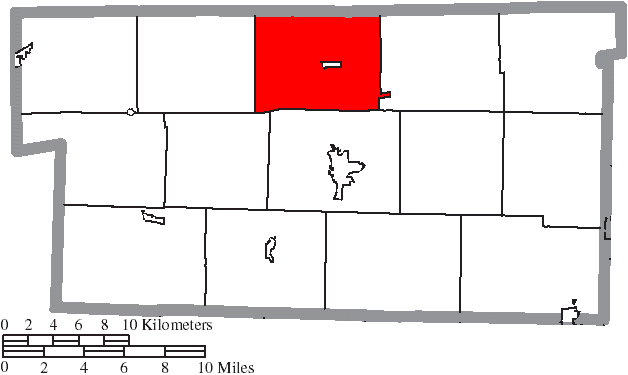
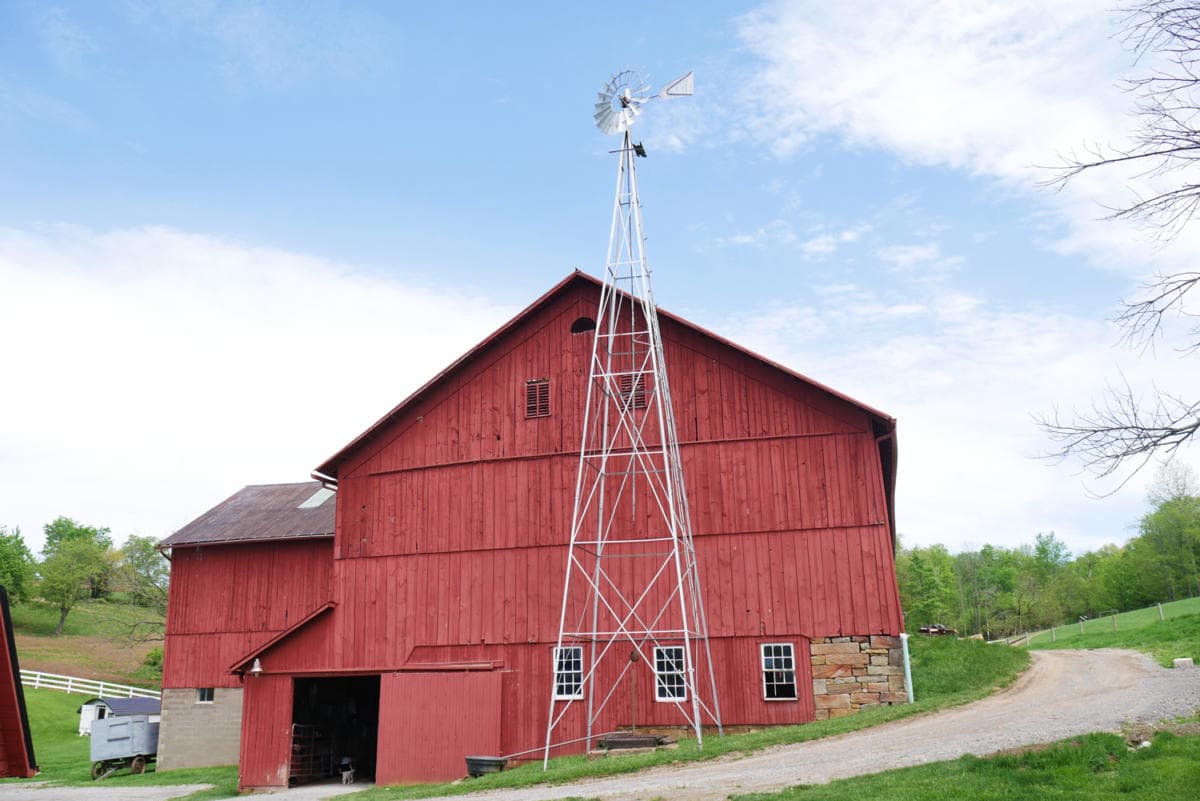
First Snow, Fresh Reminder, Mud Raises Energy Costs for Cattle
Holmes County OSU Extension educator Janessa Hill used the season's first snow to warn local cattle producers about the hidden energy and economic costs of winter mud. Research from OSU's Eastern Agricultural Research Station shows muddy, unbedded pens force cows to burn roughly 3.9 megacalories more per day, with clear implications for feed budgets, reproduction, and calf performance.
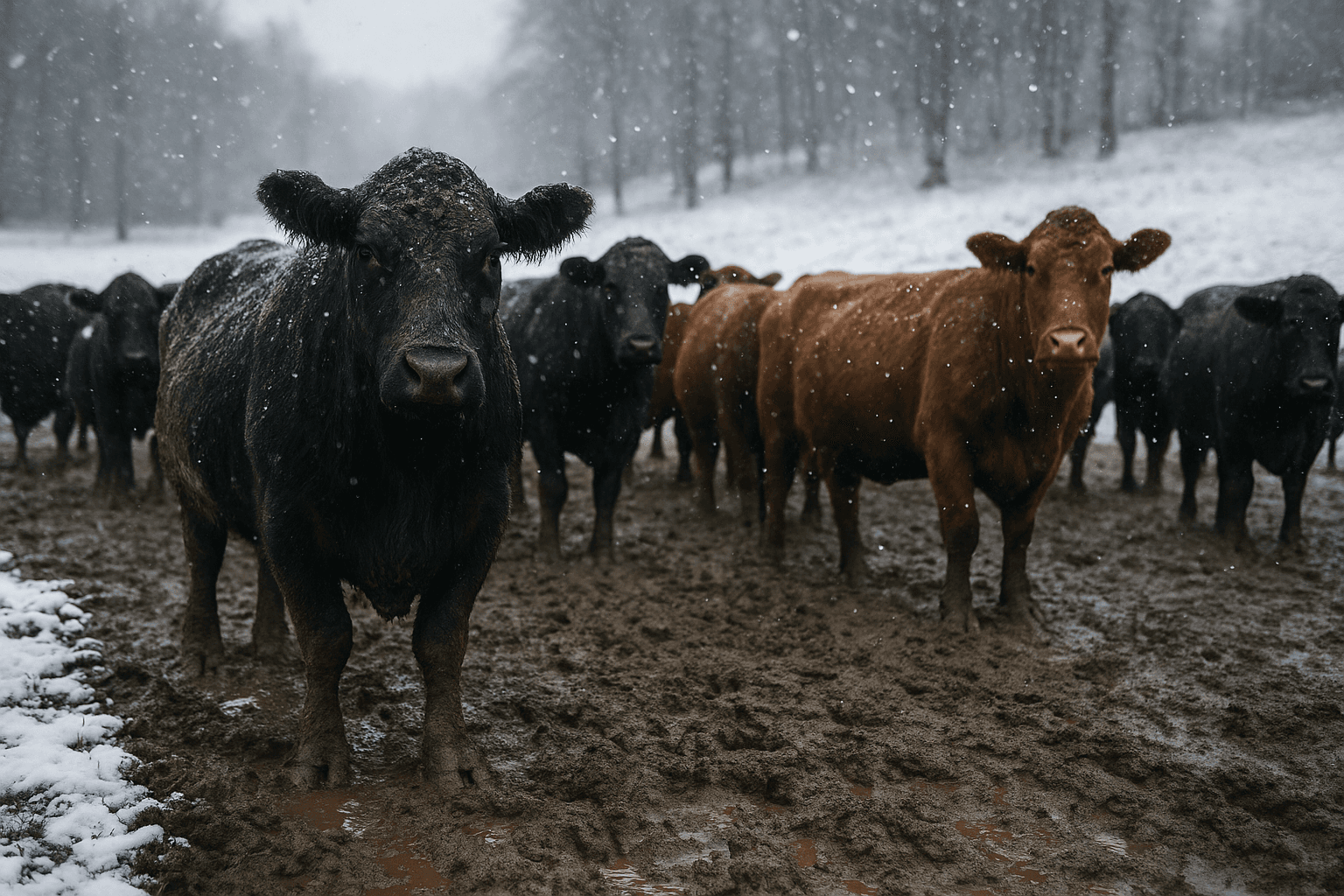
As snow fell across Holmes County on Friday, Janessa Hill, agriculture and natural resources educator with the Holmes County OSU Extension, urged producers to consider an often overlooked winter expense. Studies at Ohio State University’s Eastern Agricultural Research Station found cows housed in muddy, unbedded pens required about 3.9 megacalories more energy per day just to maintain body temperature and mobility. That figure is roughly the energy equivalent of four pounds of corn per cow per day.
The additional energy demand stems from three main mechanisms identified by researchers. Mud mats down hair coats and reduces the insulating air pockets that normally help animals conserve heat. Cattle expend greater physical energy moving through sticky, uneven footing. And persistent mud can depress feed intake, creating a double strain when animals need more calories but consume fewer.
Those daily energy deficits translate into tangible production consequences. Animals that fail to maintain body condition through winter face lower conception rates in the breeding season and reduced calf performance at weaning. For producers operating on tight margins, increased winter feed needs and impaired reproductive efficiency can raise per cow costs and compress profitability across the herd.
Hill framed management responses around practical steps already familiar to many local farms. Attention to nutrition and body condition scoring can help identify animals at risk and target supplemental feeding. Vaccination and overall herd health management reduce the compounding effects of stress. Housing adjustments such as bedding, improved drainage and alternative loafing areas can cut the energy animals expend in mud. Strategic culling of chronically thin or poorly performing animals reduces long term costs.
For Holmes County producers the message is fiscal as well as animal welfare centered. Even modest increases in daily energy needs add up across a herd and a season, affecting feed budgets and next year’s production. Extension staff encourage producers to evaluate pen surfaces and winter feeding programs now while options remain.
Producers interested in technical assistance or in recertification dates for pesticide and fertilizer credits should contact the Holmes County OSU Extension office for guidance and scheduling. Extension staff are available to help translate research findings into on farm plans tailored to local conditions.
This article was produced by Prism’s automated news system from verified source data, official records, and press releases, then run through automated quality and moderation checks before publishing. The system is built and supervised by the people who set the standards it runs under. Read our full AI policy.
Did this article answer your question?