Holmes County producers warned as tick numbers surge on livestock
Holmes County Extension has fielded repeated calls about heavy tick loads on horses and cattle, a problem that can quickly drag down production and trigger vet bills.
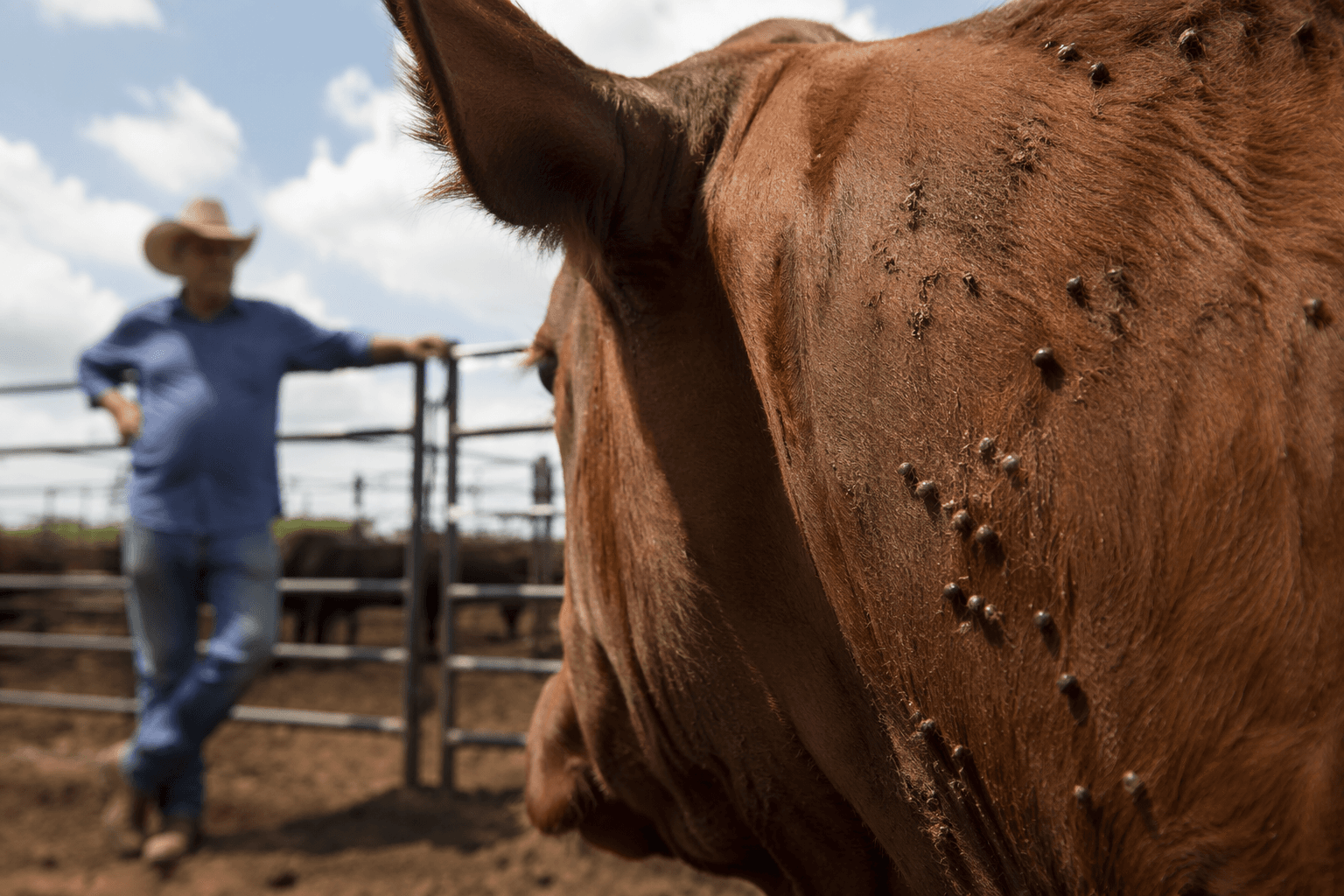
Check horses and cattle now, especially in grassy and brushy areas where ticks are hardest to spot. Holmes County Extension says producers have called several times over the past month about large numbers of ticks on livestock, and in some cases the infestation has been obvious at a glance.
That is more than a nuisance. When ticks are missed, the costs can show up fast in weight loss, lower production, herd stress and veterinary care, especially as summer chores send people and animals into the same warm, high-risk ground. Ohio health officials say tickborne illnesses are most often transmitted between early spring and late fall, when ticks are active in warm months, and Lyme disease and Rocky Mountain spotted fever remain the most commonly reported illnesses in the state.
Ohio has about a dozen tick species identified, including the American dog tick, blacklegged tick and lone star tick, all of which people and pets are likely to encounter. For livestock producers, the bigger concern is the invasive Asian longhorned tick, which Ohio State University Extension says is a growing issue for beef and dairy herds. The tick can spread Theileria orientalis Ikeda, a cattle disease that can cause anemia, weakness, reduced production and, in severe cases, death.
The warning lands hard in Holmes County because agriculture is built around livestock here. Holmes County OSU Extension says the county has 1,760 farms covering about 196,000 acres, with an average farm size of 111 acres. The county ranks third in Ohio in cattle and calves and third in milk cows, making any herd health problem a direct farm-economics issue, not just a seasonal annoyance.
State surveillance has been tracking the Asian longhorned tick’s spread, and the Ohio Department of Health updated its distribution map Nov. 7, 2025. That map distinguishes between counties where the species is reported and counties where it is established, based on more than five ticks or more than two life stages identified in the same year.
Extension is also responding with education. The Ohio State University Extension Beef Team has scheduled a Holmes County meeting on tick-borne pathogens in cattle for June 26, 2026, at J & L Cattle Services in Jeromesville, with RSVP handled through the Holmes County Extension office. The summer sessions will include university experts and veterinarians, part of a broader push to reduce the impact of tick-borne disease in cow herds.
For producers, the practical message is plain: make tick checks part of everyday livestock care now, not later in the season. If ticks are showing up in numbers on horses or cattle, or if animals begin to look weak, thin or off production, the problem needs attention before it becomes a costly herd setback.
This article was produced by Prism’s automated news system from verified source data, official records, and press releases, then run through automated quality and moderation checks before publishing. The system is built and supervised by the people who set the standards it runs under. Read our full AI policy.
Know something we missed? Have a correction or additional information?
Submit a Tip