Holmes County survey finds many Amish children receive vaccines
A Holmes County survey found 68% of Amish parents said all their children had at least one shot, far from a blanket no-vaccine norm.
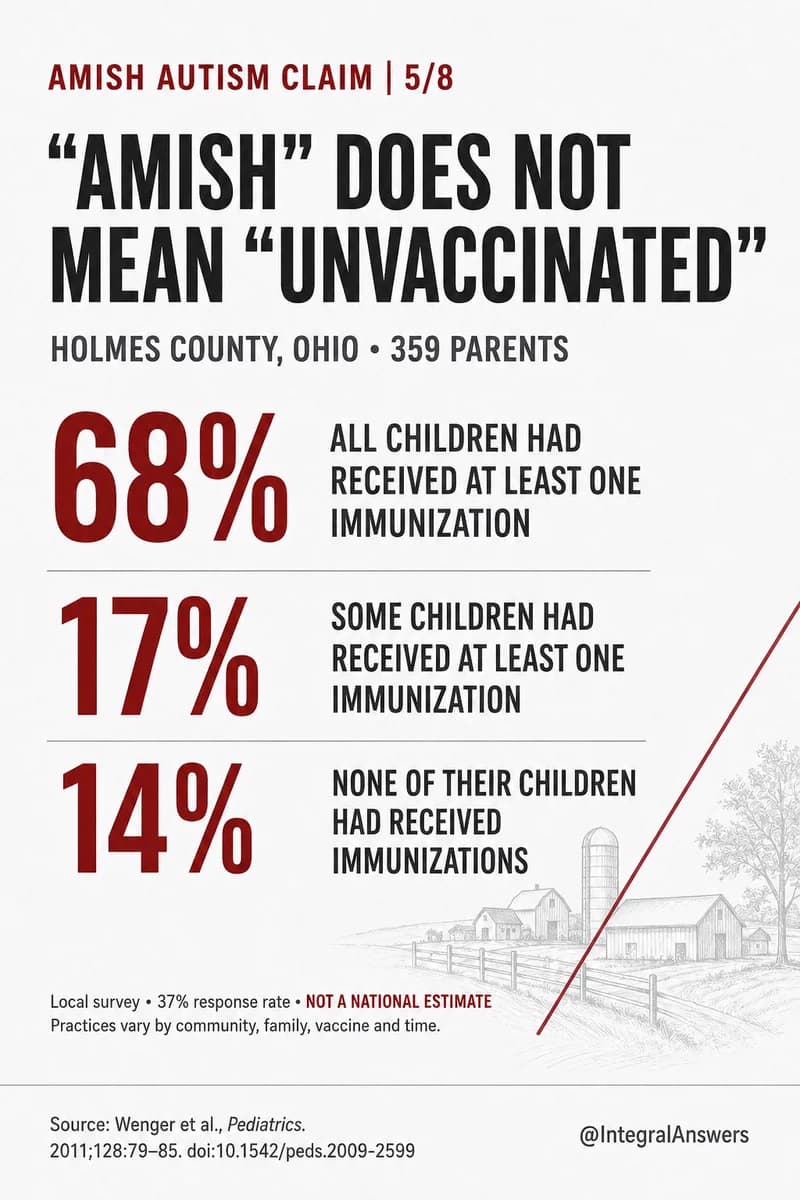
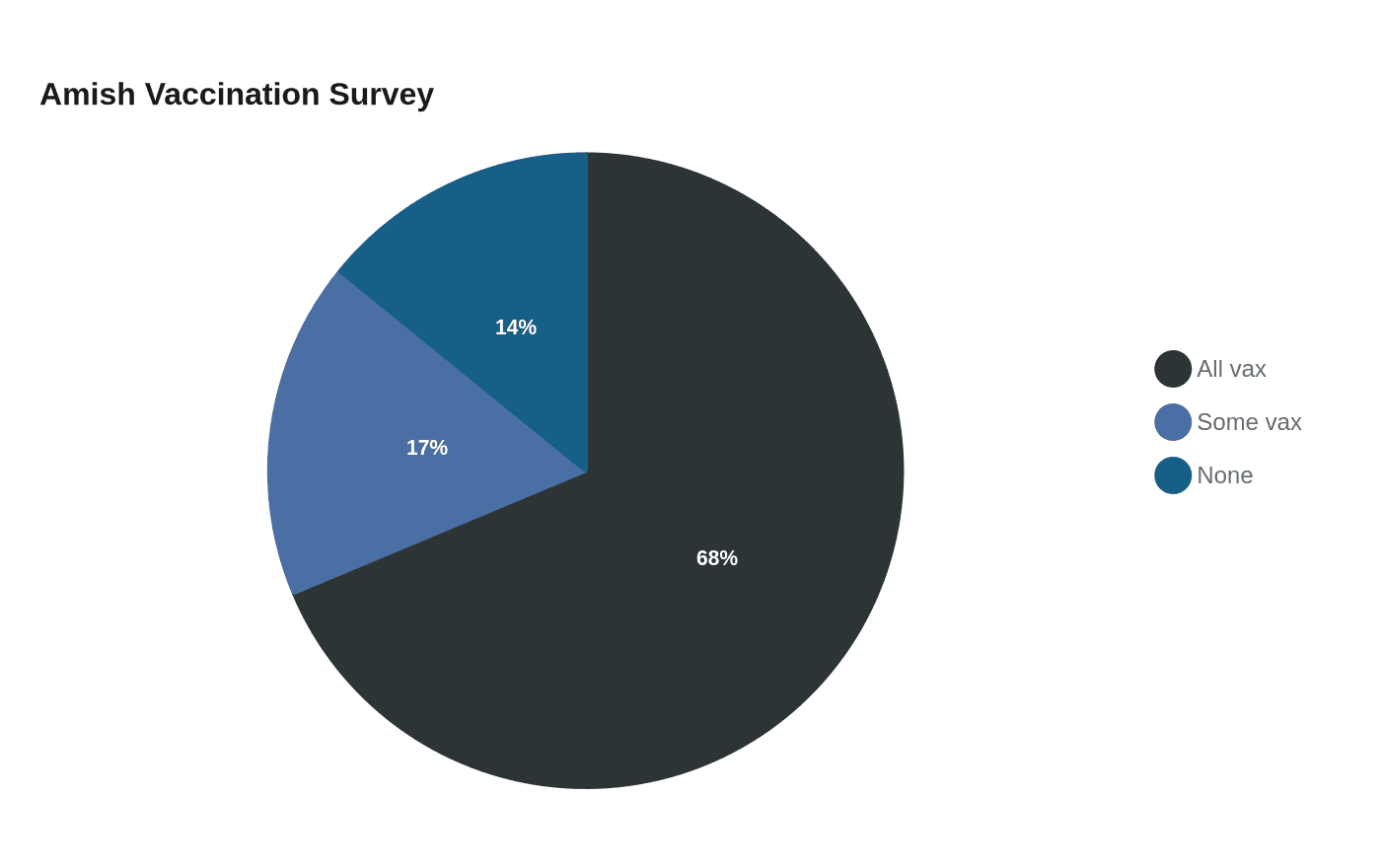
A survey of 359 Amish parents in Holmes County found 68% said all of their children had received at least one immunization, while 17% reported some children vaccinated and 14% none. The numbers cut against the common assumption that Amish families in the county reject vaccines as a rule and point to wide differences from one household and settlement to the next.
That pattern fits earlier work in northeast Ohio. A 2021 paper by Ethan M. Scott, Rachel Stein, Miraides F. Brown, Jennifer Hershberger, Elizabeth M. Scott and Olivia K. Wenger, based on 391 respondents, found 59% did not vaccinate their children. The same paper cited an earlier study that found only 14% refused all vaccinations, showing that Amish vaccination behavior has never been a simple yes-or-no divide.
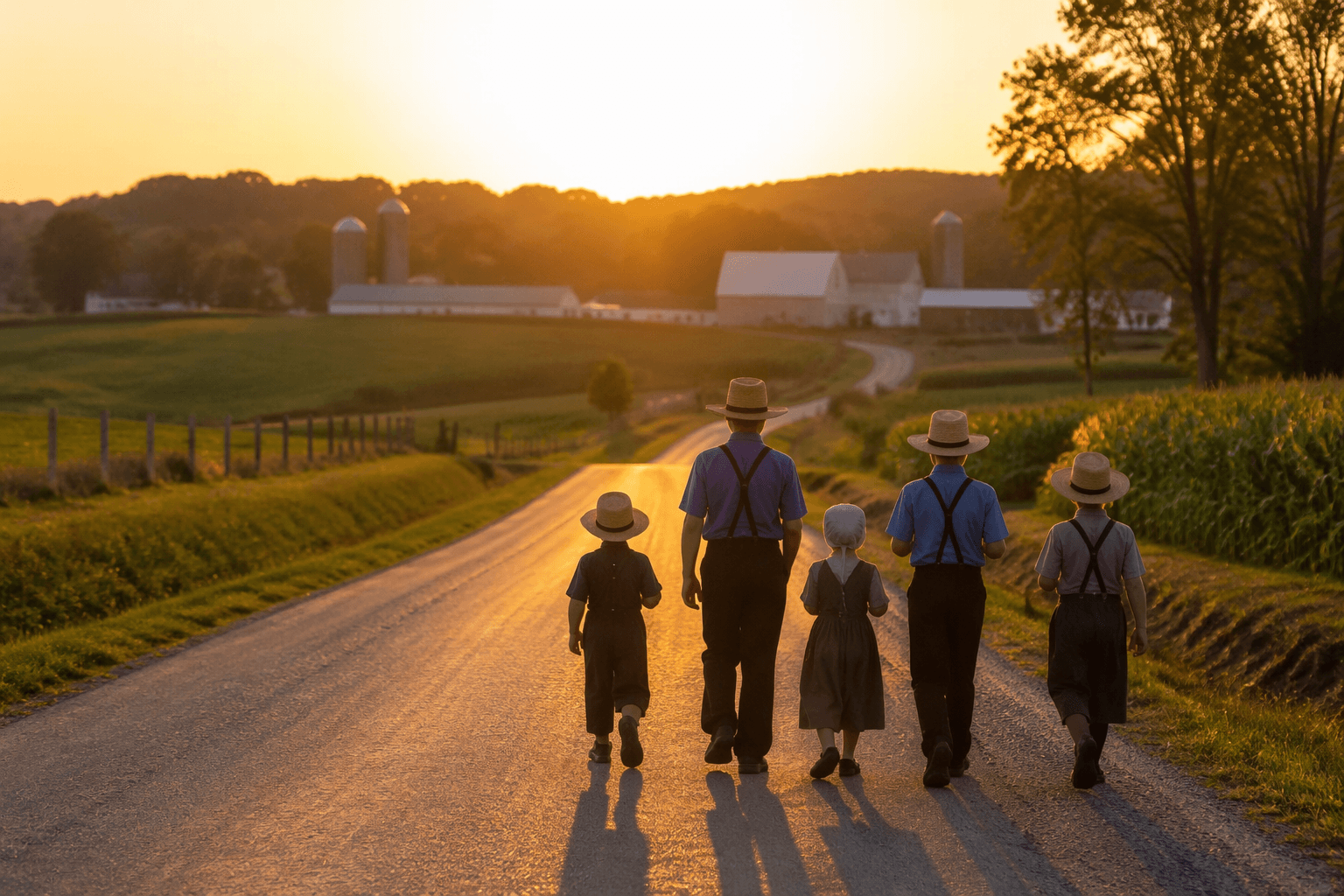
Holmes County matters because it is home to the nation’s largest Amish population and has repeatedly been tied to vaccine-preventable disease concerns. In April 2021, reporting said the county had Ohio’s lowest COVID-19 vaccination rate, with just 10% of the population fully vaccinated. A 2014 measles outbreak linked to an Amish mission trip was described as the largest U.S. measles outbreak since 1996, and afterward Amish residents sought measles shots at a makeshift clinic.
The county-level picture also shows the gap is real, but modest. A separate study found Amish-populated counties had about a 1.6% lower COVID-19 vaccination rate than counties without significant Amish populations. For Holmes County schools, the Holmes County General Health District and local doctors, the practical issue is identifying which children are protected, which are not, and how quickly records can be checked when measles, COVID-19 or another vaccine-preventable illness reaches Amish country.
That is why the new survey matters beyond the numbers themselves. If many Amish children have at least one immunization, school readiness and outbreak response have to account for mixed vaccination histories rather than a single community rule. Decisions are being made family by family, and the survey suggests those choices vary by household, by settlement and by the disease in question.
This article was produced by Prism’s automated news system from verified source data, official records, and press releases, then run through automated quality and moderation checks before publishing. The system is built and supervised by the people who set the standards it runs under. Read our full AI policy.
Did this article answer your question?