Holmes SWCD helps livestock producers tailor grazing plans to their farms
Holmes SWCD is helping producers turn grazing into a farm-specific management tool, with plans built around forage, herd size and goals to cut feed costs and protect pasture health.
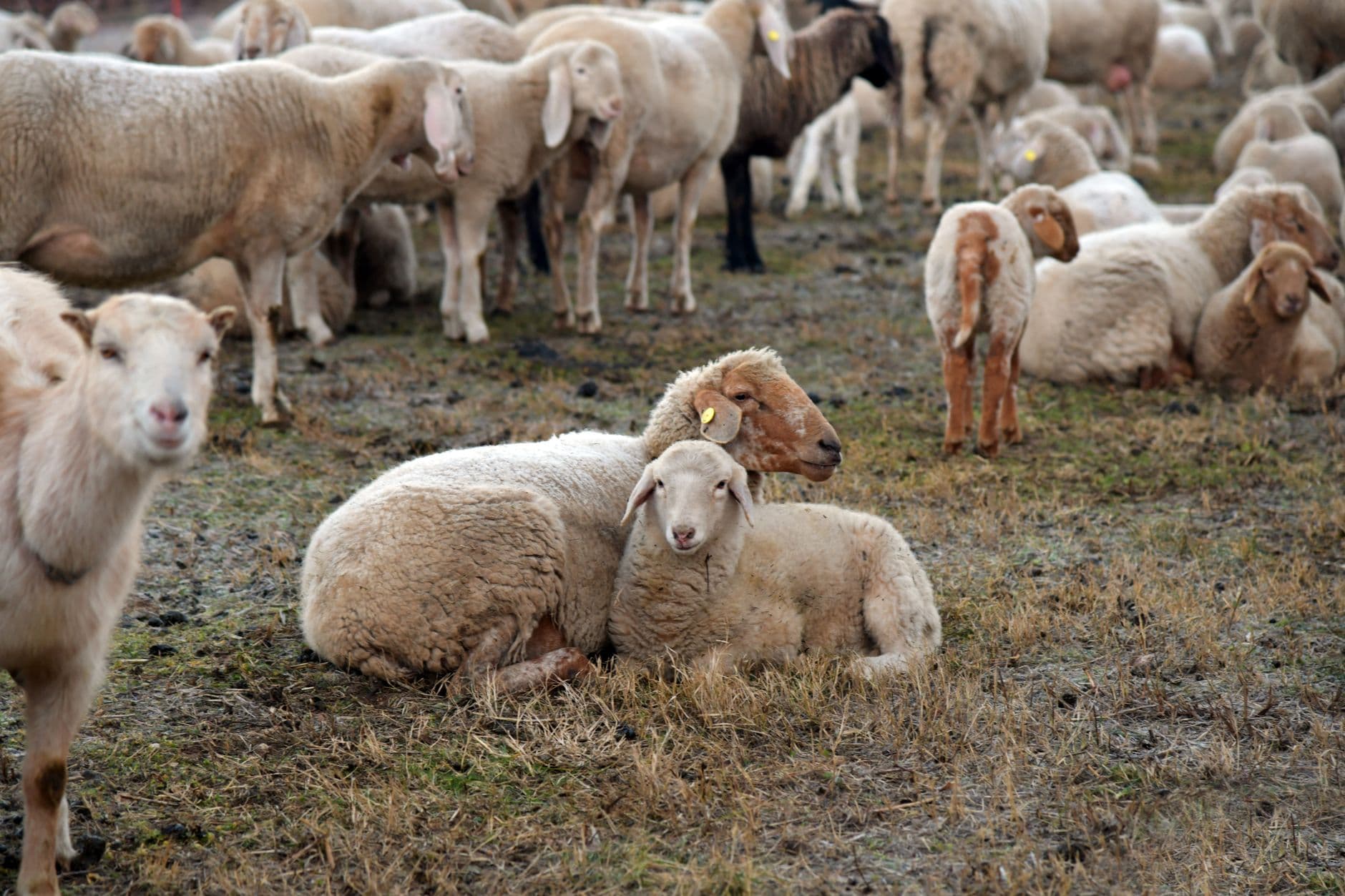
Holmes Soil and Water Conservation District builds grazing plans around forage availability, herd size and a producer’s goals, using those factors to decide when animals should move, how long paddocks should rest and how to keep pasture from being overgrazed. For Holmes County livestock producers, that means pasture use is managed farm by farm, not with a one-size-fits-all formula.
How Holmes SWCD fits into daily farm management
Holmes SWCD describes its work as rooted in “conservation through education, protection, and improvement of soil and water resources.” The district works with the citizens of Holmes County, state and local agencies, and private organizations, and identifies farmers as vital partners in that conservation programming. Staff provide technical guidance, cost-share assistance, soil samples, recommendations to help meet yield goals and management plans for farms.
Grazing affects feed bills, soil condition, animal nutrition and how well a farm can handle dry stretches. Holmes SWCD’s approach treats grazing as part of a broader conservation and management system, alongside work on soil runoff, cover crops and pollution complaints.
What a tailored grazing plan is meant to do
A grazing plan starts with what the farm actually has. On one property, that may mean abundant forage but poor water access. On another, it may mean enough fencing to rotate animals but not enough recovery time between grazings. Holmes SWCD’s emphasis on customization is designed to match pasture use to the land’s actual capacity, rather than pushing grass harder than it can recover.
That kind of planning can change several day-to-day decisions:
- when to move cattle or other livestock into a new paddock
- how long animals stay on a field before the grass needs rest
- how to avoid stripping pasture too short
- where water should be placed so animals do not overuse one area
- whether temporary fencing or polywire can make rotations work better
Pasture is often the most economical way to provide forage for livestock, and Ohio State University Extension says a well-managed grazing season can cut feed costs by 50 percent. In practical terms, that means every extra day forage is used efficiently can reduce the amount of hay, grain or purchased feed a farm has to buy.
Why water and fencing matter as much as grass
Grazing success is not only about how much grass is growing. Water distribution is an important aspect of pasture management because livestock tend to graze and linger where water is easiest to reach. If water is poorly placed, the best grass can disappear near a tank while other areas grow rank or go unused.
Temporary fencing and polywire are important tools in modern grazing systems. Those tools make it easier to break one large field into smaller paddocks and give grass a chance to recover between grazings. On farms where permanent fencing is limited, a portable setup can be the difference between a rough rotational system and a workable one.
For Holmes County operations, that kind of flexibility matters because conditions change from field to field and season to season. A wet spring, a hot summer or a short forage window all change how quickly grass grows back and how long animals can stay in one place.
The local farm economy behind the advice
The USDA National Agricultural Statistics Service county profile for Holmes County lists 1,736 farms, 184,549 acres in farms and an average farm size of 106 acres. The same profile lists market value of products sold at $291,415,000 in 2022, up 60 percent from 2017.
When farms are relatively compact and land is valuable to the business, even modest improvements in grazing efficiency can add up. Better pasture use can reduce feed purchases, protect soil from overgrazing and help producers keep more forage growing through the season.
How the plan supports drought resilience and herd performance
Keeping enough leaf area on the pasture and building in recovery time help the soil and the grass stay productive longer. That becomes especially important in dry weather, when overgrazed fields can break down quickly and leave a farm relying on emergency feed.
Well-managed pasture usually provides a steadier forage base than a field that is grazed too hard too often. Better forage availability can support animal nutrition, while rest periods help maintain plant vigor so the farm has more grass available later in the season.
The district’s staff already help farms think through soil runoff, manure and fertilizer application, cover crops and pollution complaints.
How Holmes County producers can use the same approach
Some producers want lower feed bills. Others are trying to protect a hillside, improve regrowth or make the most of a short grazing season.
Water should be placed so livestock do not camp in one spot. Fencing should support the move from continuous grazing to a controlled rotation if the farm is ready for it. Rest periods should be long enough for regrowth, not just short enough to fit a schedule. Holmes SWCD’s technical guidance and cost-share assistance can help producers work through those choices without guessing.
The Ohio Department of Agriculture has a state grazing-management page, and Ohio State University Extension has published guidance on the economics and mechanics for years. Ashland Soil and Water Conservation District has also published guidance on creating practical grazing plans for healthier pastures.
This article was produced by Prism’s automated news system from verified source data, official records, and press releases, then run through automated quality and moderation checks before publishing. The system is built and supervised by the people who set the standards it runs under. Read our full AI policy.
Did this article answer your question?