OSU Extension offers free Tick Talk to Holmes County residents
Holmes County residents could learn how to spot ticks, protect pets and check livestock at a free OSU Extension Tick Talk, with registration by phone at 330-674-3015.
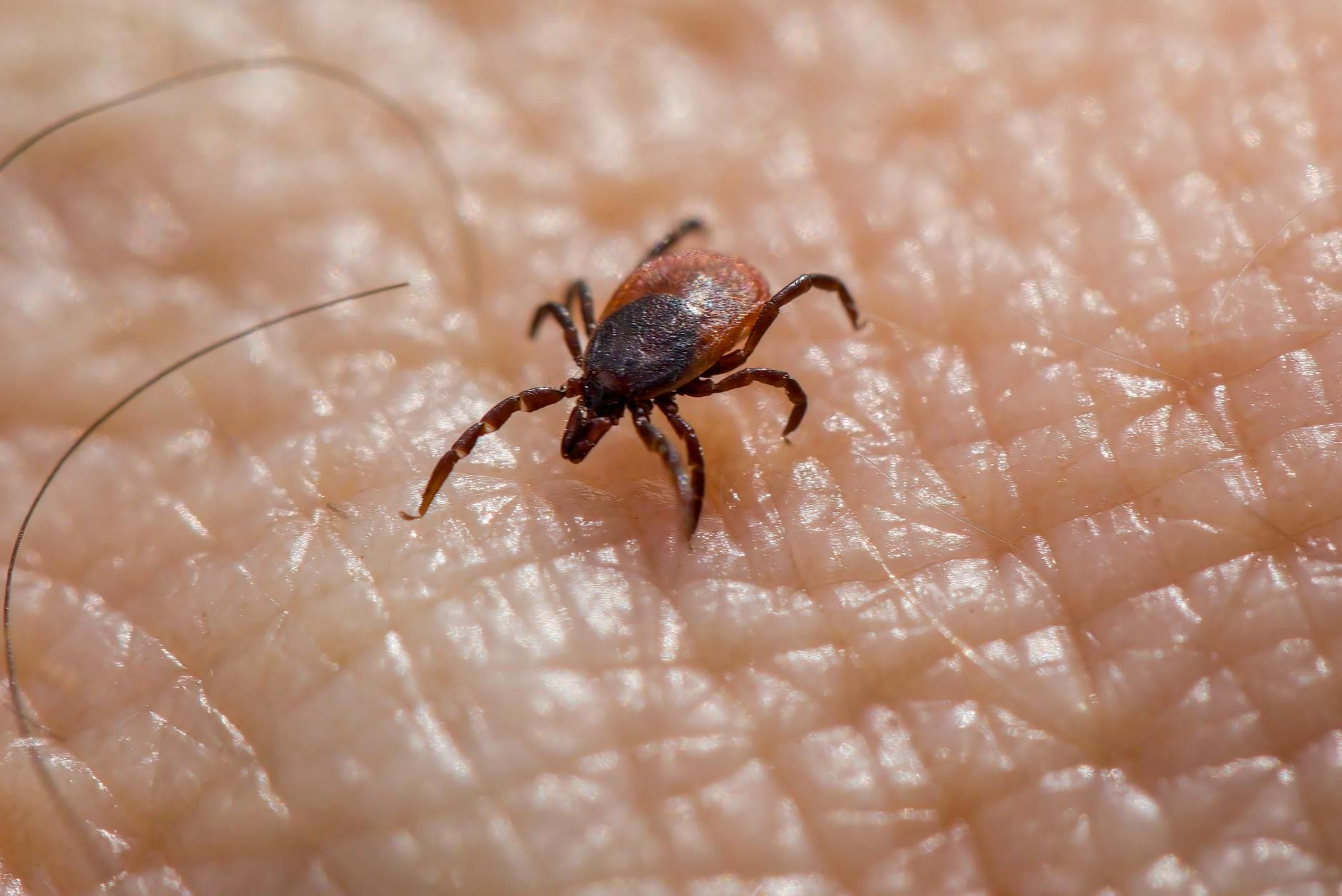
Holmes County residents got a free, hands-on Tick Talk from OSU Extension Holmes County Friday, giving families, farmers and pet owners a practical spring refresher on how to protect children, pets and livestock from ticks before outdoor chores and recreation put them at risk. The program was open to the public, and registration was handled by phone at 330-674-3015.
The timing was no accident. The Ohio Department of Health says tickborne illnesses in Ohio are most often transmitted between early spring and late fall, and blacklegged tick activity typically peaks in May and June. ODH says Ohio has about a dozen tick species, but the American dog tick, blacklegged tick and lone star tick are the ones most likely to be encountered by people or pets, and they are responsible for nearly all tickborne diseases reported to the agency.
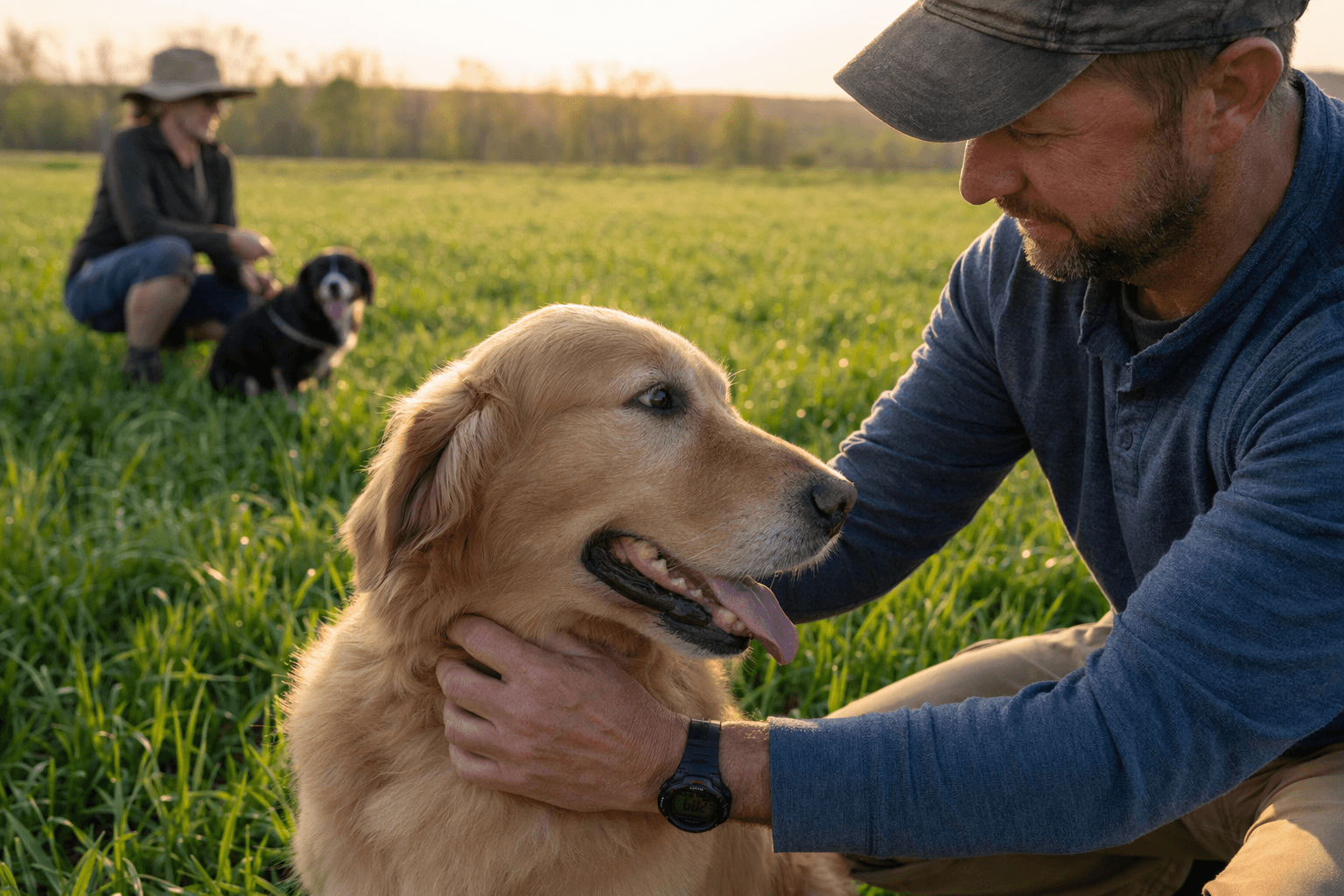
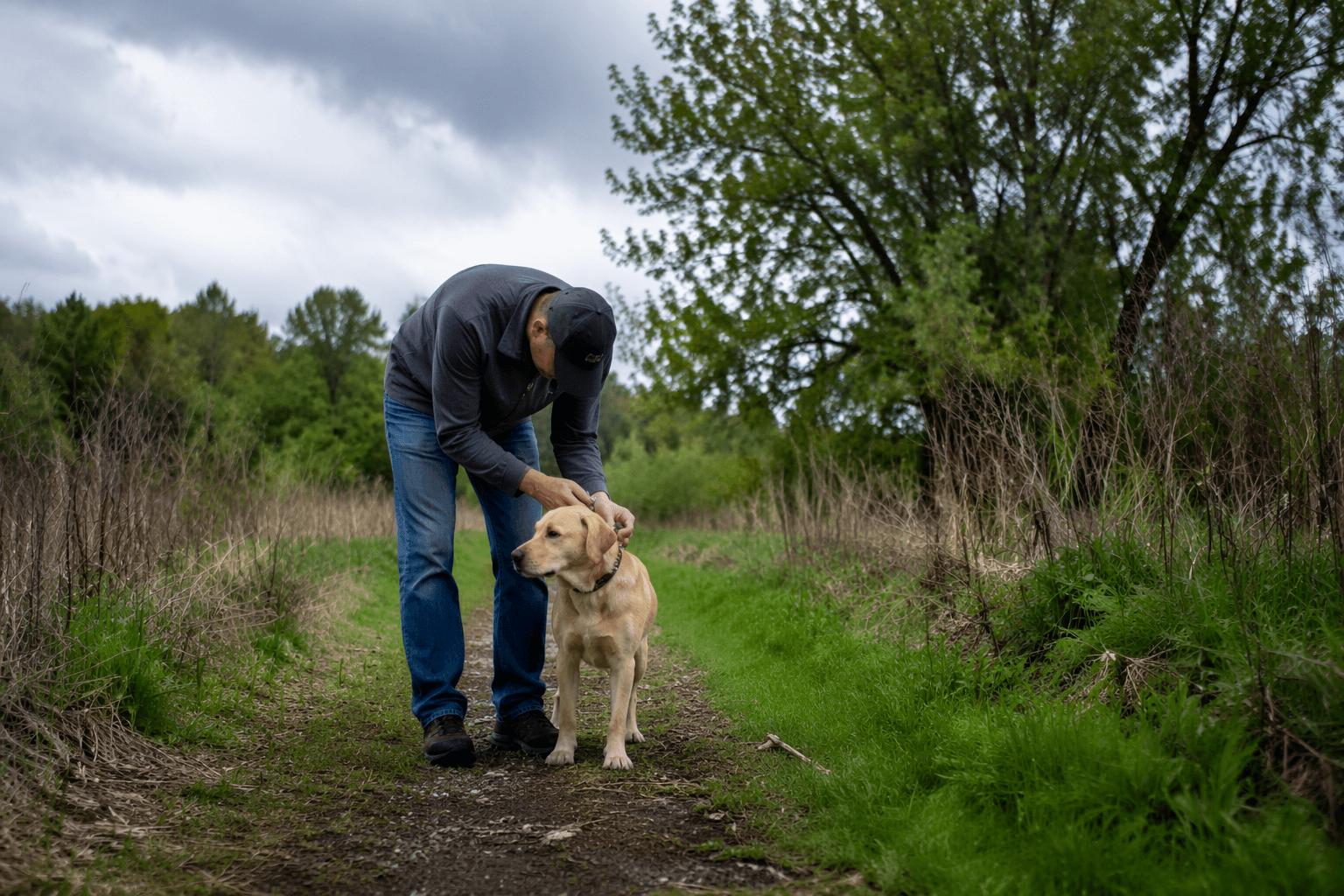
The county-focused tick education effort is built around basics that matter on a Holmes County farm, in a backyard and on the trail. OSU Extension materials tied to the event point residents to tick identification information, habitat guidance and protection tips, along with public-health resources from the Ohio Department of Natural Resources, the Ohio Department of Health, the Centers for Disease Control and Prevention and other agencies. The goal is not just to recognize a bite after the fact, but to reduce exposure around homes, barns, wooded edges and tall grass where ticks are most likely to be found.
That message lines up with guidance from the CDC, which says the best way to prevent Lyme disease is to prevent tick bites. The CDC also says infected blacklegged ticks spread Lyme disease in the United States, ticks can ride into the home on clothing and pets, and showering within two hours of coming indoors can reduce risk. Ohio health officials say Lyme disease cases are increasing as blacklegged tick populations expand, and they note that the immature nymph stage is especially hard to spot because it is tiny and difficult to see.

Ohio State has expanded its tick response as well. In 2025, the university launched the Buckeye Tick Test, Ohio’s first mail-in tick analysis service, led by the Ohio State University Infectious Diseases Institute and the Ohio State University College of Veterinary Medicine. The service provides tick identification and test results within 72 business hours after receipt. OSU educator Tim McDermott has said Ohio has seen a significant uptick in tick populations and species diversity in recent years, and an OSU Beef Team post in May 2026 warned livestock owners about the invasive Asian longhorned tick and its impact on cattle herds. For Holmes County, the lesson was plain: tick season is here, and the safest spring habits start before the bite.
This article was produced by Prism’s automated news system from verified source data, official records, and press releases, then run through automated quality and moderation checks before publishing. The system is built and supervised by the people who set the standards it runs under. Read our full AI policy.
Did this article answer your question?