Save & Serve Thrift Shop raises $5,724 for Nehemiah Released Time program
A day of thrift-store sales in Millersburg turned into $5,724 for Nehemiah Released Time, funding off-campus Bible instruction for public school students.
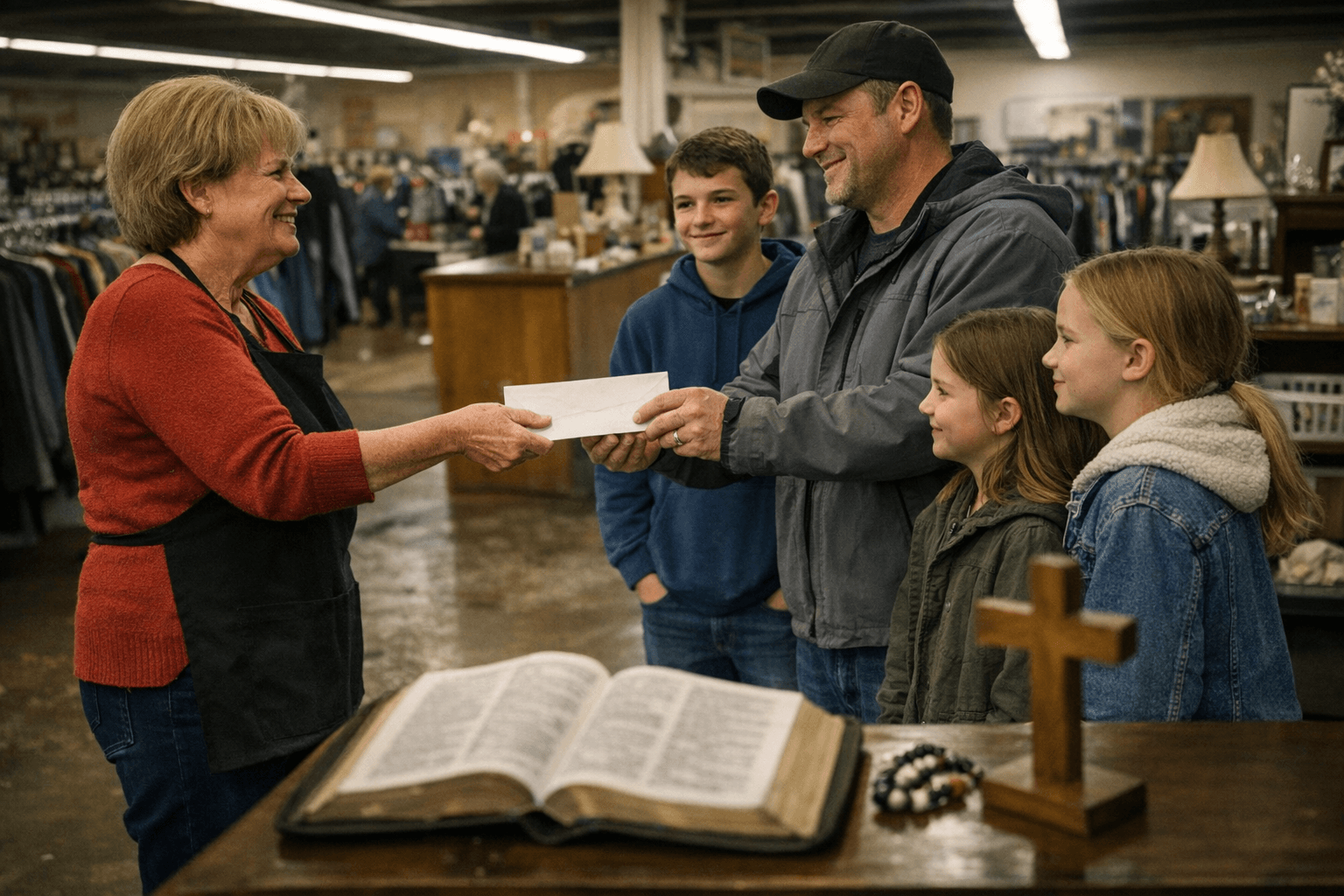
A day of shopping at Save & Serve Thrift Shop produced $5,724 for the Nehemiah Released Time program, turning donated goods and volunteer labor into direct support for Bible education outside the classroom for public school students in Holmes County.
The March Benefit Day added another example of how the Millersburg thrift shop has become a steady fundraising engine for local nonprofits. Recent Benefit Days brought in $5,779 for Holmes County Rails to Trails, $7,012 for Holmes Center for the Arts and $4,675 for Special Hearts Workshop, showing a repeating model in which one small business channels local spending into named community services.
For Nehemiah Released Time, the money will help support a program that provides Bible instruction off campus, separate from regular school hours. Ohio law now requires school district boards to adopt policies authorizing students to be excused for released time courses in religious instruction when statutory conditions are met, and the law defines released time as instruction provided by a private entity off school district property.
That framework gives the local donation added practical weight. The Ohio Department of Education and Workforce says districts may require criminal records checks for instructors or volunteers serving in released time programs, and it also says students participating in released time instruction may still qualify for federal reimbursement for school meals served off-site during that time. In other words, the program operates inside a more formal state structure than a casual after-school activity, with rules that touch school policy, supervision and meal reimbursement.
In Holmes County, where churches, nonprofits and volunteers often overlap in the work of serving children and families, the $5,724 raised at Save & Serve points to a simple formula with measurable results: buy used goods, staff the shop, choose a beneficiary and turn retail activity into support for a local youth program. The latest Benefit Day showed that even a modest thrift store can move real dollars into a structured service for students, one purchase at a time.
This article was produced by Prism’s automated news system from verified source data, official records, and press releases, then run through automated quality and moderation checks before publishing. The system is built and supervised by the people who set the standards it runs under. Read our full AI policy.
Did this article answer your question?